

Trigger Finger Surgery
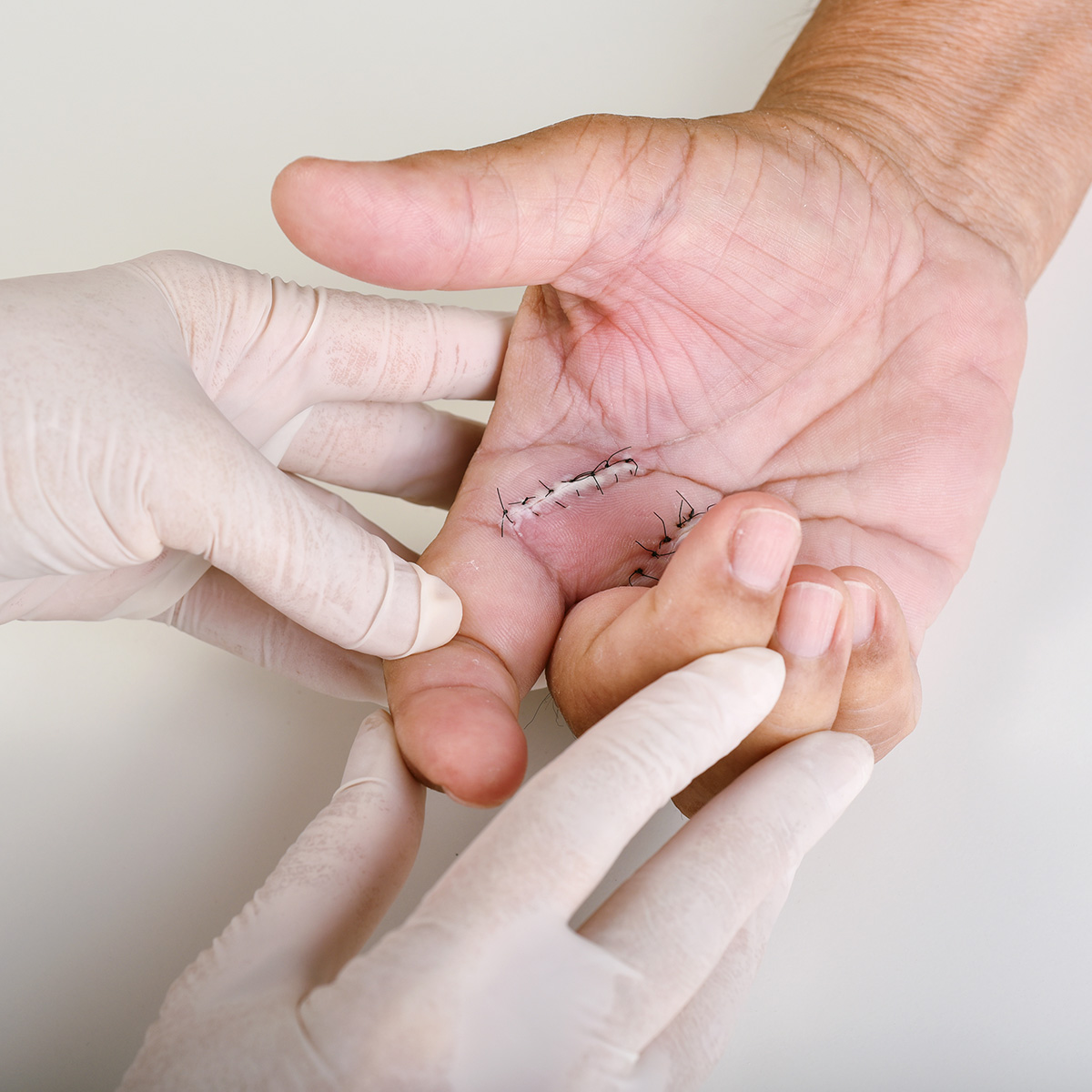
Indications
Trigger finger surgery is recommended when the patient experiences constant pain in the finger, especially when bending and straightening it, which significantly limits its mobility. These symptoms often make it difficult to perform everyday activities, such as grasping objects. The procedure allows the tendon to be released and full finger function to be restored.
When conservative methods such as physical therapy, steroid injections, or anti-inflammatory drugs do not bring improvement, surgery is necessary. The procedure involves cutting the tendon sheath, which eliminates mechanical blocking of tendon movement. This is an effective solution that prevents further complications.
If symptoms worsen, such as increased frequency of finger locking, stiffness, or the appearance of deformities, surgery is necessary. Lack of treatment can lead to permanent tendon damage and irreversible changes in finger function. The procedure allows the progression of the disease to be halted and mobility to be restored.
Surgery is recommended when trigger finger leads to weakened grip strength and hand deformity. Patients with advanced stages of the condition may experience difficulty performing precise movements and pain during everyday activities. Surgical treatment restores normal range of motion and eliminates pain and discomfort.
Reason and purpose of trigger finger surgery
Trigger finger is caused by narrowing of the tendon sheath, which blocks movement and causes a characteristic “snapping” sensation when bending and straightening the finger. The aim of the operation is to permanently remove the narrowing, restore smooth movement, and eliminate pain, allowing the patient to fully use the functionality of their hand.
Types of surgical techniques
Trigger finger surgery can be performed using an open or closed method. In the open method, the surgeon makes a small incision to clearly visualize the tendon sheath and remove the blockage. In the closed method, a needle or other tool is inserted through the skin, which is less invasive but requires great precision. The choice of technique depends on the severity of the condition and the doctor's preference.
Possible complications and prevention of recurrence
Although trigger finger surgery is safe, complications such as infection, finger stiffness, or scarring may occur in rare cases. To minimize the risk, it is important to follow your doctor's recommendations for wound care and to start rehabilitation exercises early. Regular postoperative checkups help monitor the healing process and prevent possible recurrence of the problem.

Frequently asked questions
Our patients before surgery
Trigger finger surgery, also known as tenosynovectomy, involves cutting or releasing the tight sheath that restricts the free movement of the tendons in the finger. This procedure restores full mobility to the finger and eliminates pain and locking when bending and straightening.
The procedure is performed under local anesthesia, so the patient does not feel any pain during the operation. After the procedure, there may be slight pain, which usually subsides within a few days and can be relieved with painkillers.
The recovery period after trigger finger surgery usually lasts from a few days to a few weeks. The patient can quickly return to their daily activities, but full mobility and strength of the finger may take time, especially if rehabilitation is recommended.
The risk of recurrence after trigger finger surgery is very low, especially if the procedure has been performed correctly. To reduce the risk of recurrence, it is recommended to avoid overloading the hand and to perform appropriate strengthening and stretching exercises for the fingers.
Do you have any questions?
Contact us
Władysława Syrokomli 46,
51-141 Wrocław
Mon–Fri: 9:00 AM – 5:00 PM Sat–Sun: Closed
Call :+48 666 850 666