

Dermatoscopy – assessment of moles and skin nodules
Indications
Dermatoscopy is recommended for people who notice changes in the appearance of their moles, such as asymmetry, uneven edges, color changes, rapid growth, or itching. A dermatoscopic examination allows for a thorough analysis of these characteristics, which is crucial in assessing the risk of melanoma or other skin cancers. Early diagnosis enables effective treatment and prevents serious consequences.
Dermatoscopy is recommended as a regular check-up for moles, especially for people with a large number of pigmented lesions or those at risk of melanoma (e.g., genetic predisposition, fair skin, frequent sun exposure). The examination allows even subtle changes in the structure of moles to be detected, enabling them to be monitored or removed if necessary.
Dermatoscopy is recommended in cases where lumps appear on the skin that are difficult to assess with the naked eye. The examination allows benign lesions, such as fibromas or lipomas, to be distinguished from potentially dangerous ones, such as basal cell carcinoma or squamous cell carcinoma. This allows the dermatologist to decide on further treatment or removal of the lesion.
Dermatoscopy is also used to monitor moles and skin lesions after partial removal or treatment. This allows for assessment of whether there has been a recurrence of the lesion or the appearance of alarming features indicating malignancy. Regular examination ensures effective control of skin health and minimizes the risk of overlooking potential threats.
When is it worth performing a dermatoscopy?
Dermatoscopy is particularly recommended in the following cases: The presence of new moles or lumps on the skin. Changes in the appearance of existing moles, such as enlargement, change in color or shape, or the appearance of asymmetry. Itching, burning, or bleeding from a mole. Genetic predisposition – if there have been cases of melanoma or other skin cancers in the family. Exposure to intense UV radiation, which increases the risk of skin changes.
Why is dermatoscopy important?
Early diagnosis of skin lesions is crucial for the effective treatment of skin cancer, especially melanoma, which can be fatal if detected too late. Dermatoscopy allows for precise differentiation between benign and potentially dangerous lesions, eliminating the need to remove healthy moles. This examination is an essential part of preventive healthcare, especially for people with a large number of moles or those who regularly use tanning beds.
How often should dermatoscopy be performed?
People with fair skin, numerous moles, and a family history of skin cancer should undergo dermatoscopy at least once a year. In the case of suspicious changes, the examination should be performed more frequently, as recommended by a dermatologist. Regular mole checks are the best way to protect your health and detect any worrying changes early on.
Frequently asked questions
Our patients before surgery
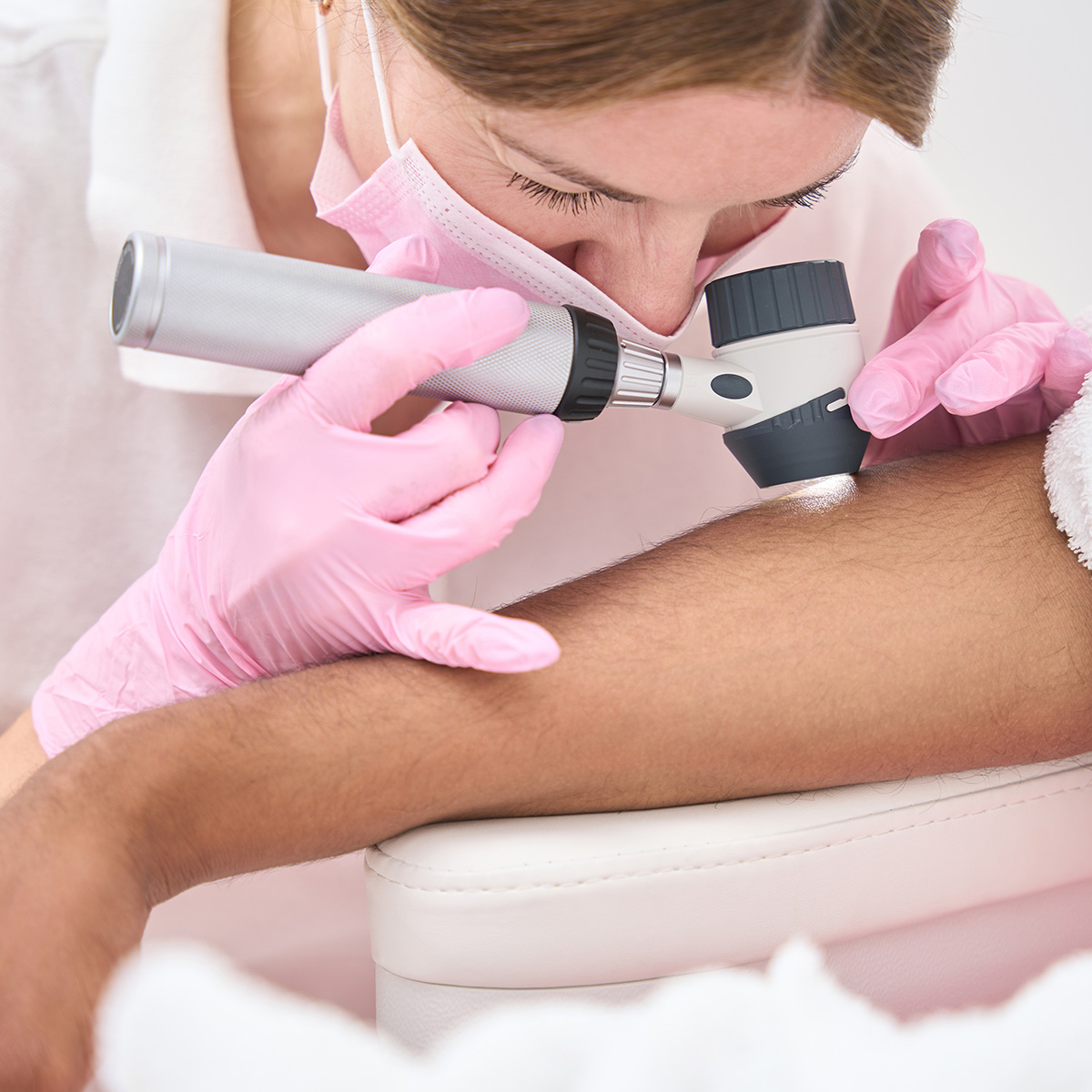
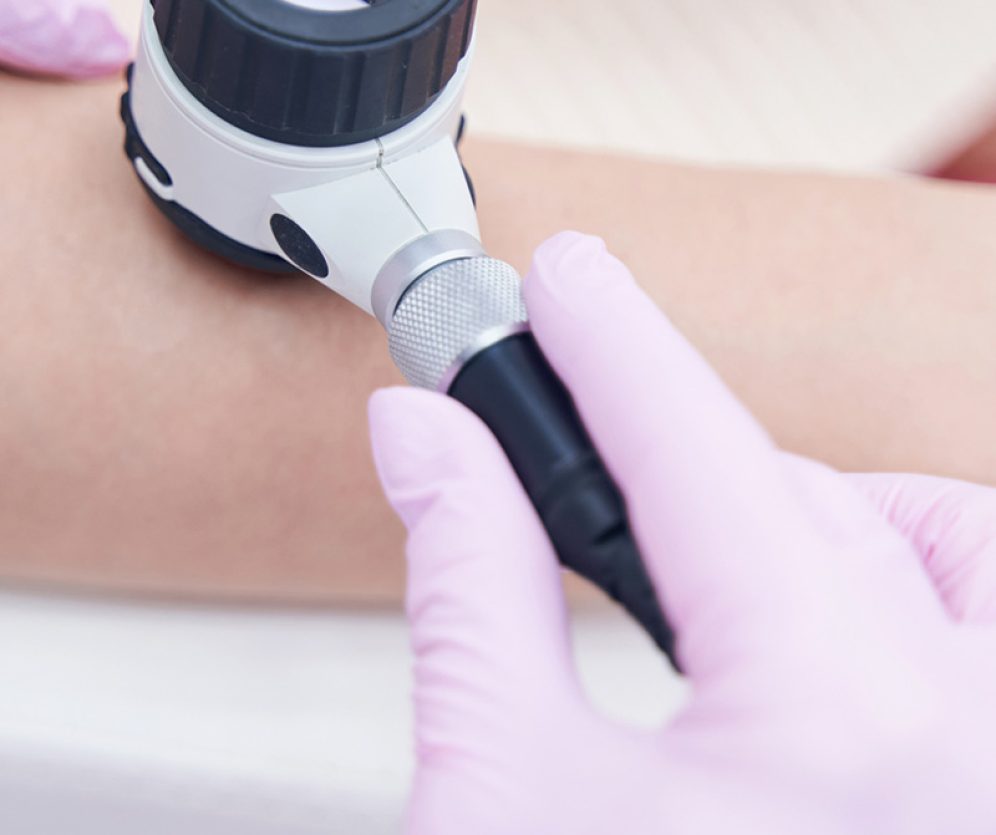
Dermatoscopy is a non-invasive skin examination that allows for a thorough assessment of pigmented lesions, moles, and other skin changes. A dermatologist uses a dermatoscope for this purpose—an optical device that magnifies the image of the skin lesion and reveals its structures invisible to the naked eye.
Dermatoscopy allows for early detection of melanoma – a malignant skin cancer. The earlier melanoma is diagnosed, the greater the chances of recovery. Regular dermatoscopic examinations are recommended for people who have many moles, sunbathe or use tanning beds, as well as those with a family history of melanoma.
The frequency of dermatoscopy depends on individual risk factors. People with a large number of moles or a family history of melanoma should have the test done once a year, or even more often. In the case of changes that cause concern (e.g., a change in the shape, color, or size of a mole), you should see a dermatologist immediately.
Dermatoscopic examination is completely painless and non-invasive. It does not require any preparation on the part of the patient.
Do you have any questions?
Contact us
Władysława Syrokomli 46,
51-141 Wrocław
Mon–Fri: 9:00 AM – 5:00 PM Sat–Sun: Closed
Call :+48 666 850 666