

Surgical Scar Correction
Surgical Scar Correction
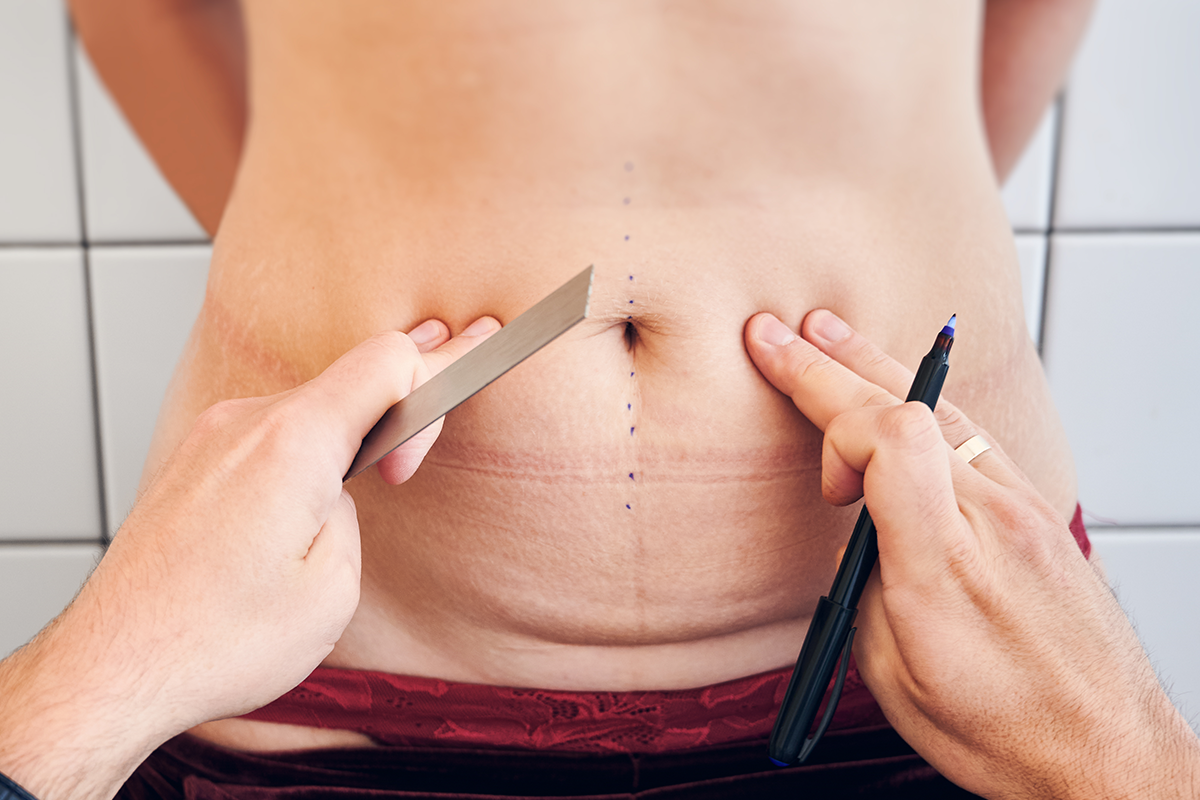
- Mastectomy scars (e.g., uneven, hypertrophic, wide)
- Scars from other transitional procedures (e.g., previous chest surgeries, reconstructions)
- Traumatic or burn scars
- Scars that restrict movement or cause discomfort
- Scars that cause dysphoria or interfere with daily functioning
- Active skin infection in the scar area
- Tendency to form keloids (requires individual assessment)
- Uncontrolled diabetes or serious general illnesses
- Allergy to anesthetics
- Unrealistic expectations regarding the effect
Effects of the treatment
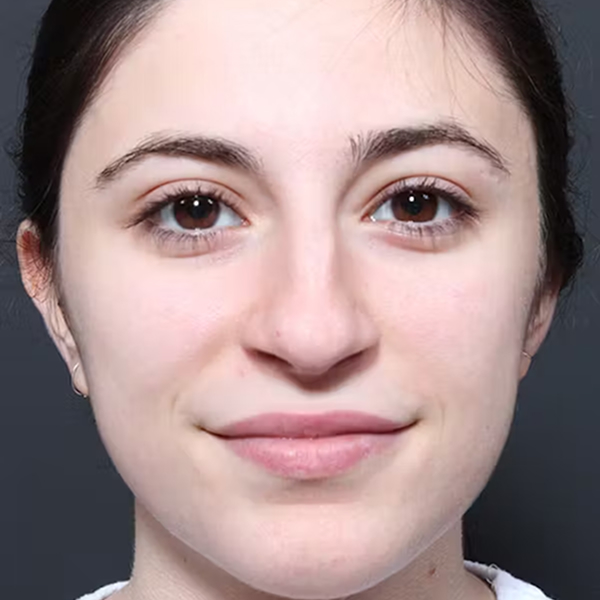
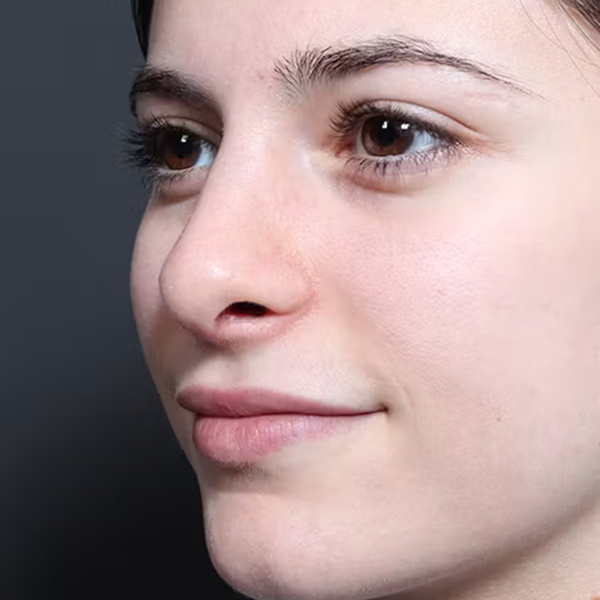
Facelift
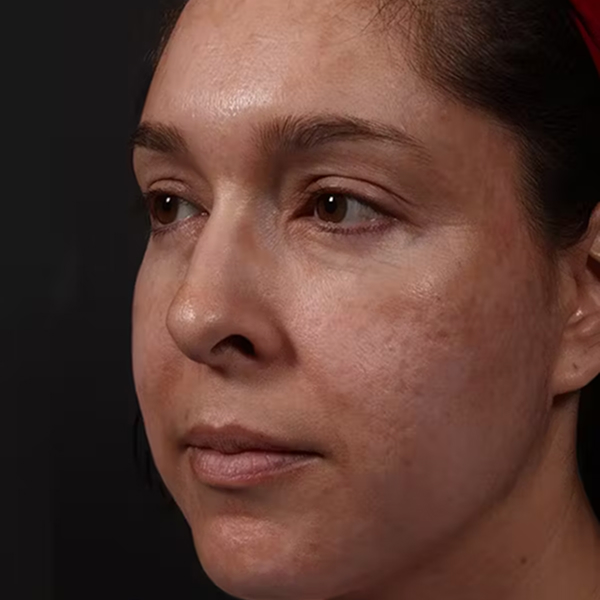
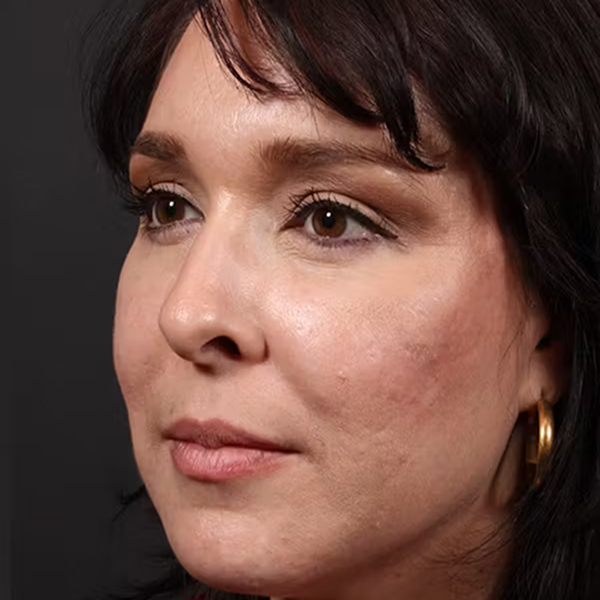
Facelift
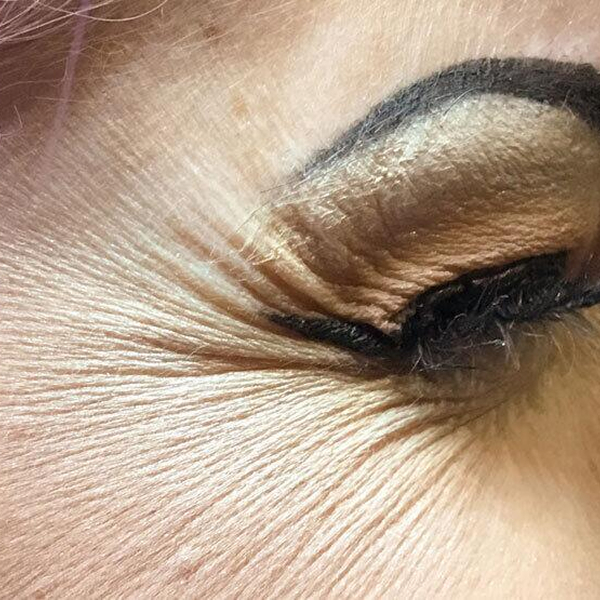
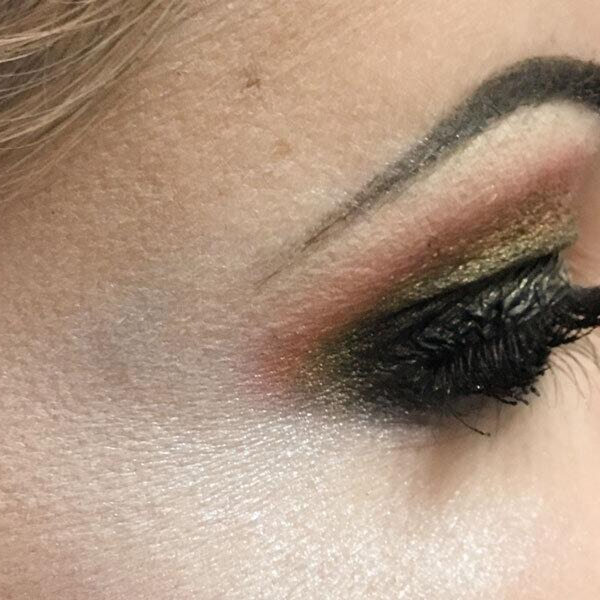
Facelift
Preparation for the procedure:
Surgical consultation with a detailed discussion of expectations
Health assessment, possible laboratory tests
Discontinuation of anticoagulants at least 7 days prior to the procedure (after consultation)
Avoid alcohol and smoking for at least 48 hours before surgery.
On the day of the procedure: personal hygiene, no lotions or makeup in the area being operated on.
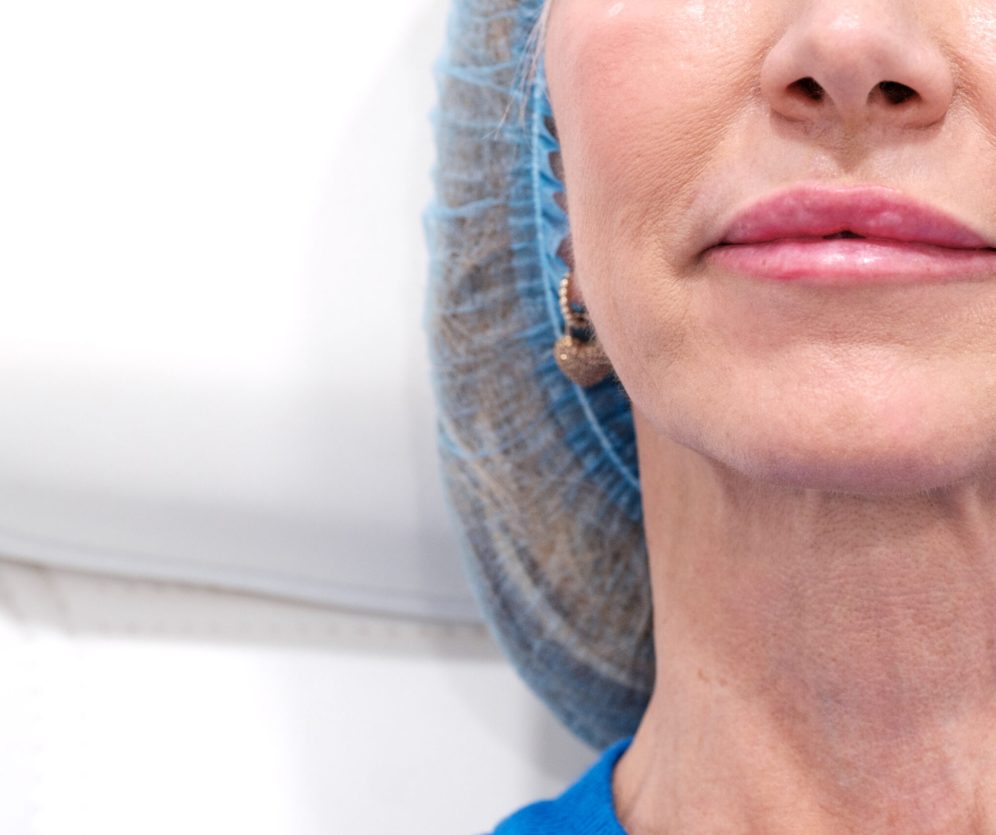
The course of the procedure
Performed under local anesthesia, it usually takes 30–60 minutes.
The surgeon cuts out the old scar with a margin of healthy skin and sutures the tissues layer by layer with the utmost precision.
Upon request or indication – possibility of sending a sample for histopathological examination
The patient returns home the same day.
Recovery and post-treatment recommendations:
Sutures removed after 7–14 days (depending on location)
Dressings changed as directed by the doctor
The scar should be protected from the sun for at least 6 months.
After healing – massage and preparations supporting scar maturation according to the doctor's recommendations
Avoid stretching the operated area for at least 2 weeks.
Check-ups: after 1, 3, 6, and 12 months
Possible complications and risks:
Hematoma or bleeding requiring drainage
Infection requiring antibiotic therapy
Transient or rarely persistent sensory disturbances in the face or auricle
Hypertrophic or discolored scars – minimized thanks to precise suturing techniques
Asymmetry requiring correction
Prolonged swelling or bruising
Unsatisfactory aesthetic result requiring possible reoperation
Frequently asked questions
Our patients before surgery Surgical scar correction
No—it is performed under local anesthesia.
Every operation leaves a mark, but the goal is to achieve the thinnest and most delicate scar possible.
Yes, if the result is unsatisfactory or the scar tends to hypertrophy.
For office work – even the next day, but we recommend limiting your exertion.
After complete healing – usually around 3–4 weeks.
Yes – the doctor selects a preparation or silicone patches to be used after healing.
No—but it should be much less visible and more aesthetically pleasing.
Preliminary – 2 weeks, full maturation – up to one year.
Usually not, but we issue sick leave certificates if necessary.
Come in for a checkup—we will determine additional treatment.
Do you have any questions?
Get in touch with us
Władysława Syrokomli 46,
51-141 Wrocław
Mon-Fri: 09:00 - 17:00
Saturday - Sunday: closed
Call :+48 666 850 666