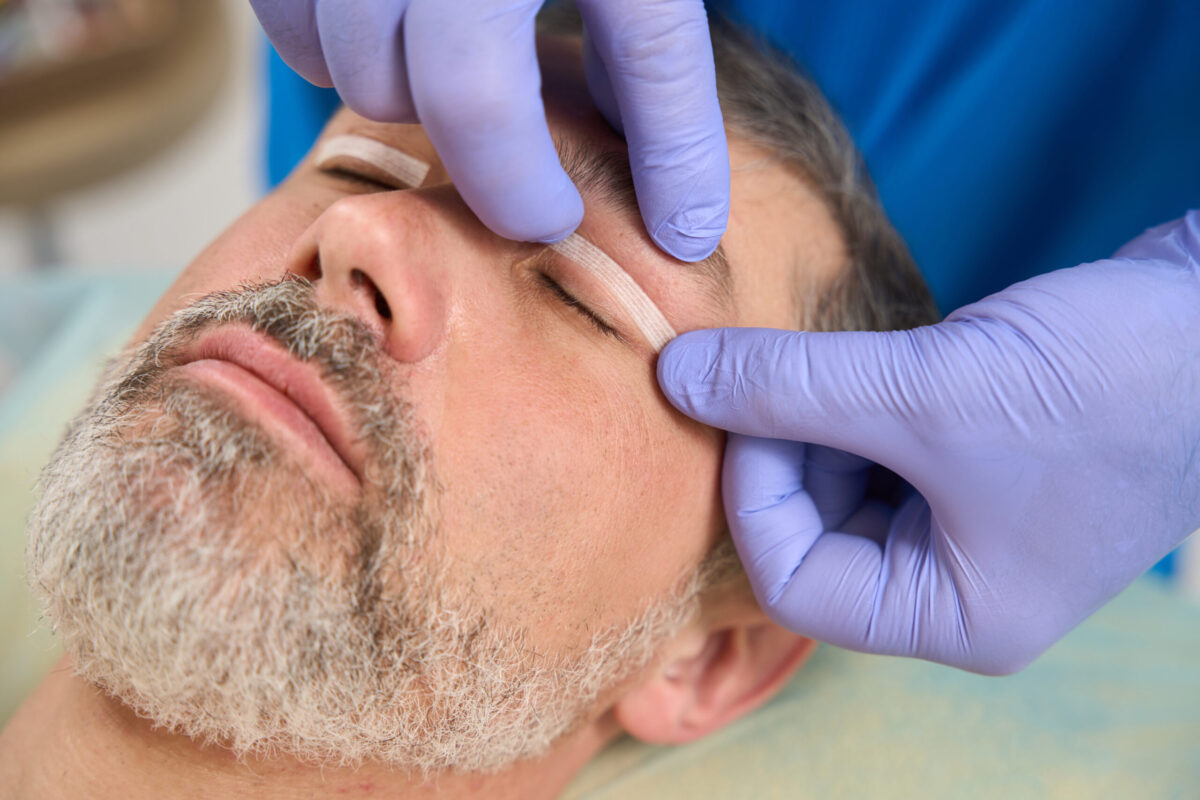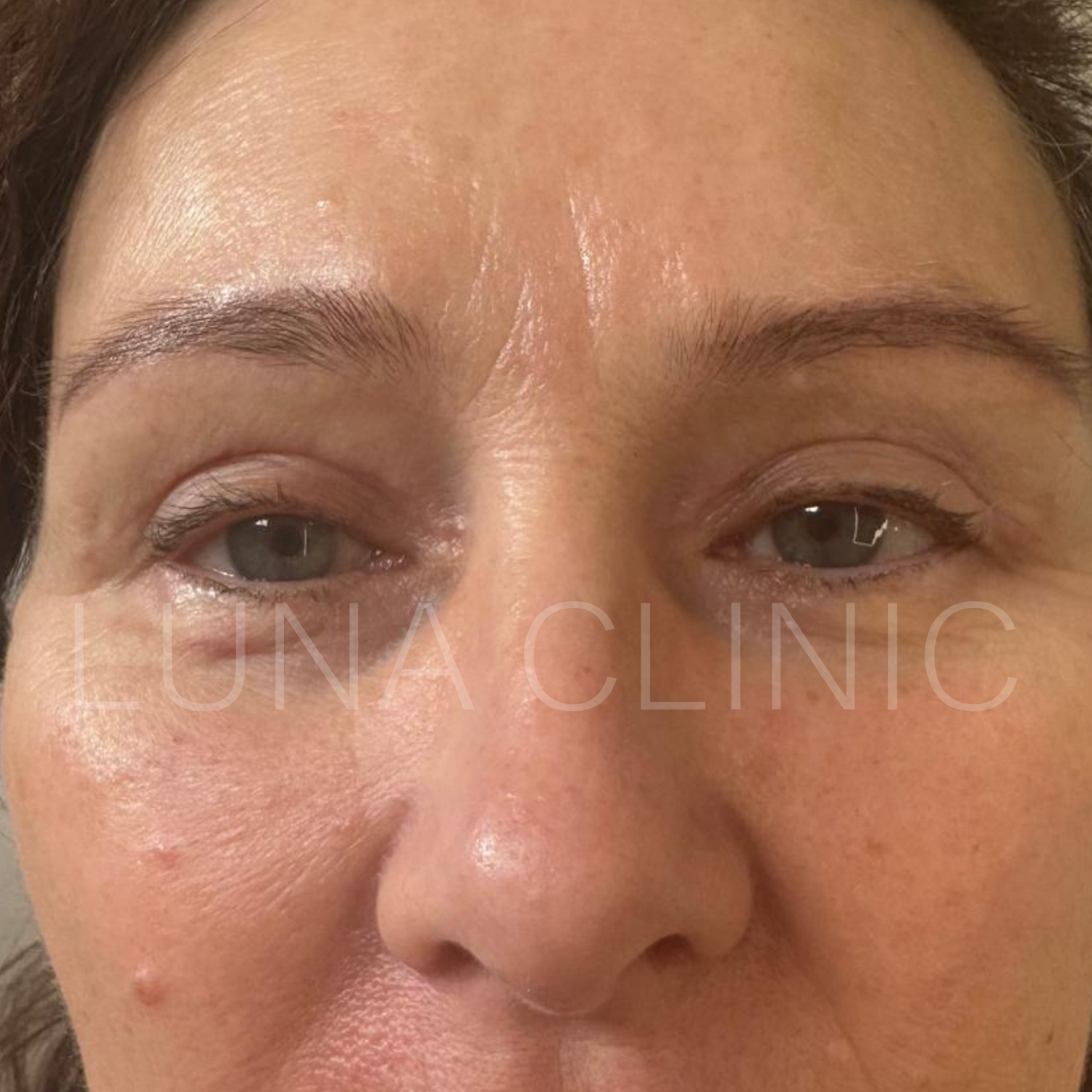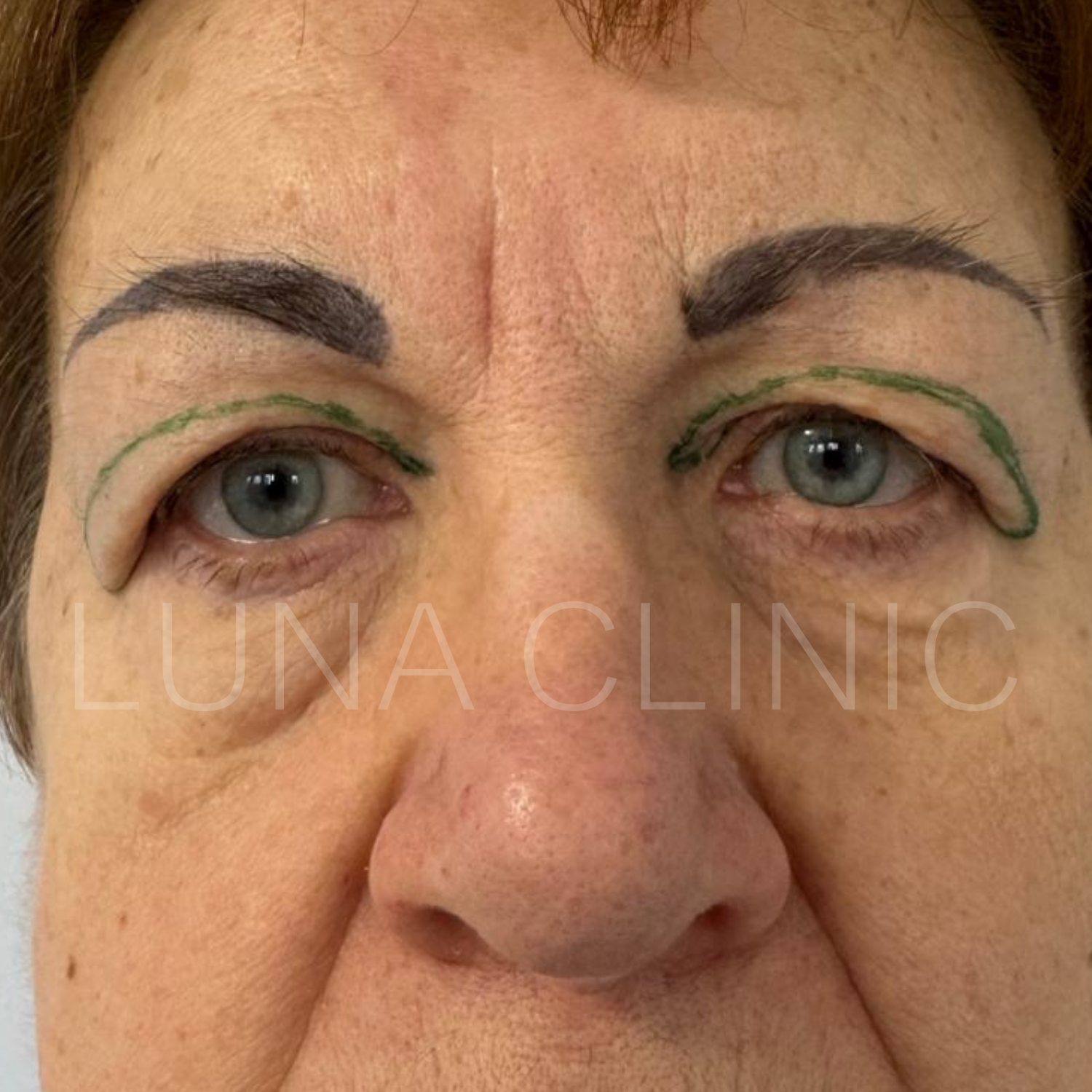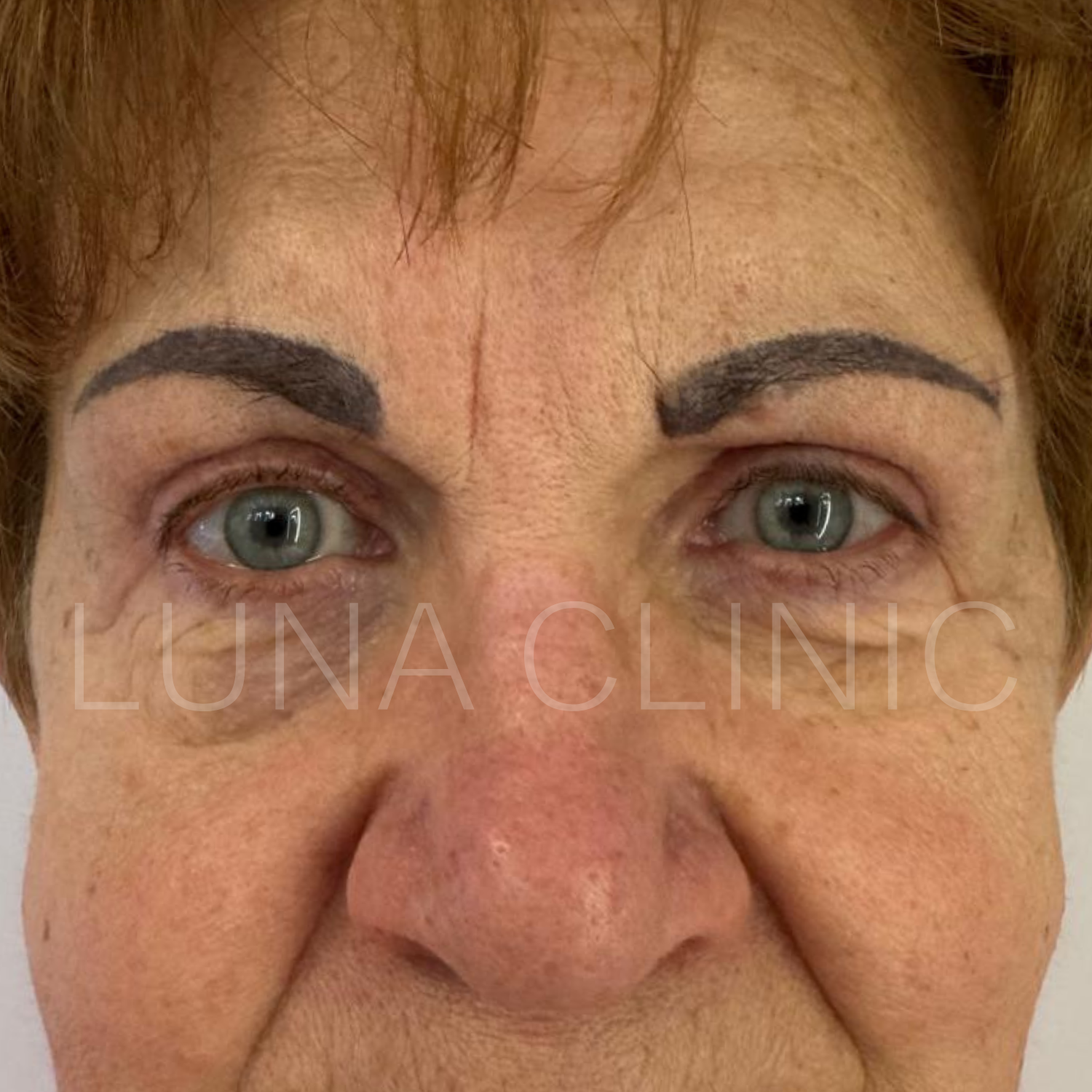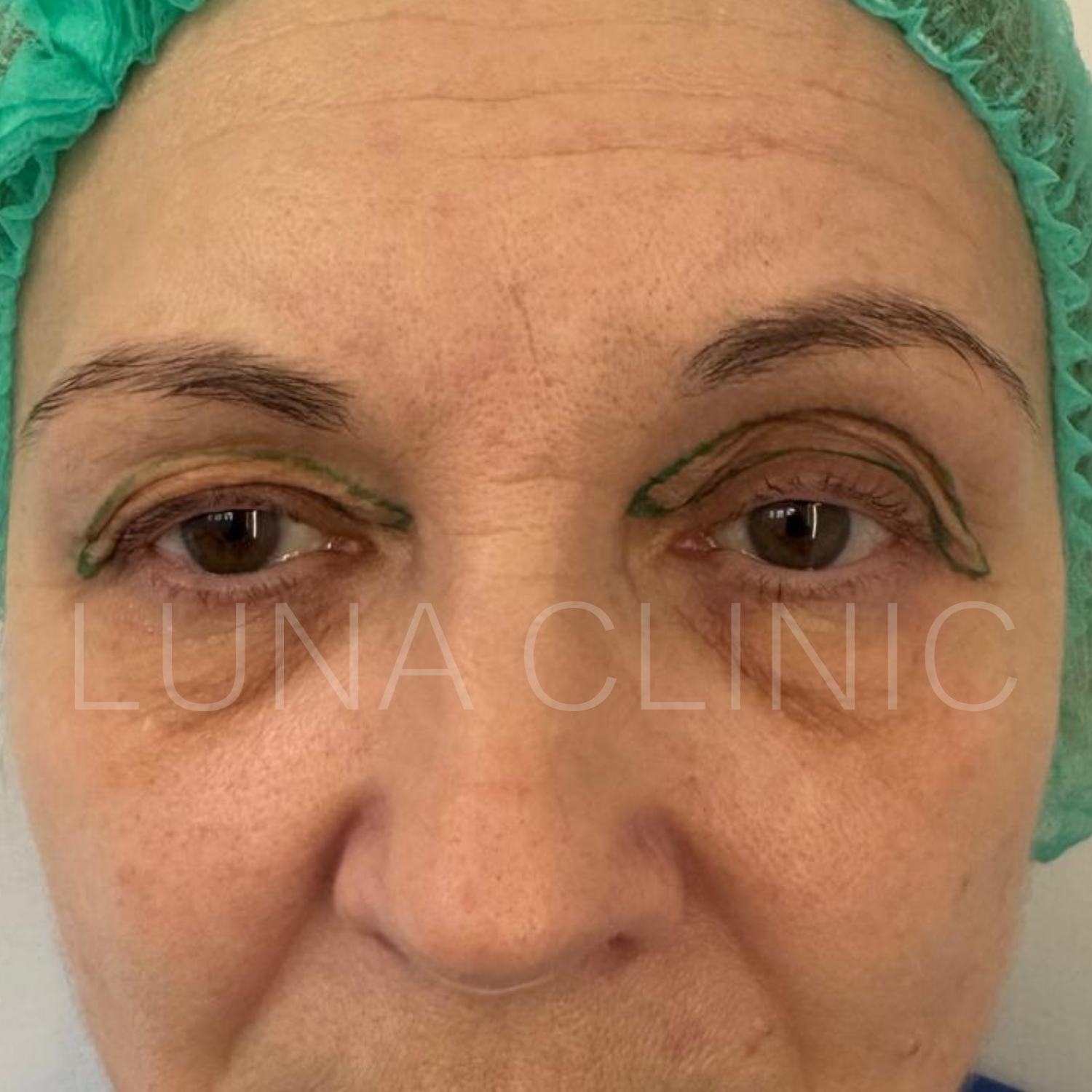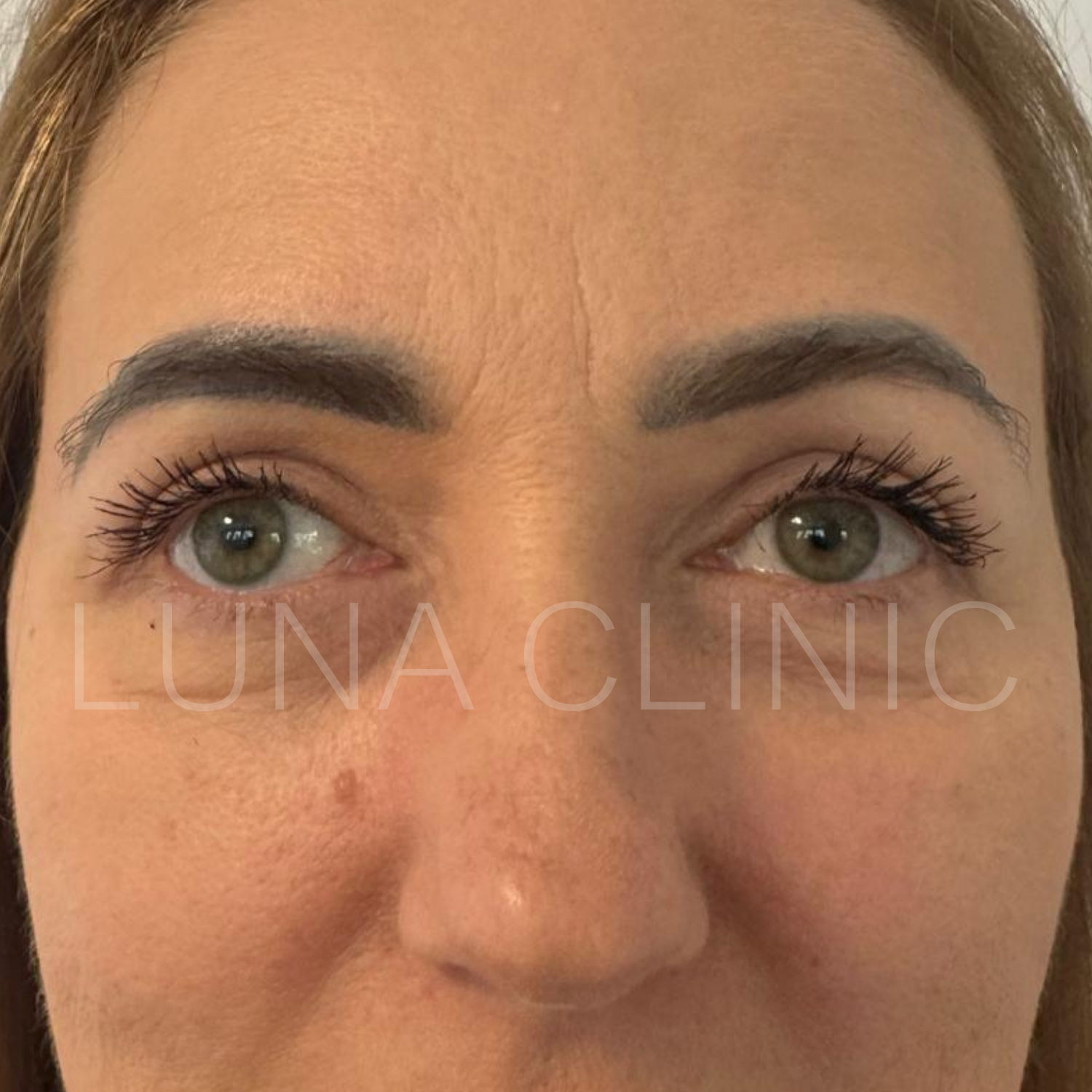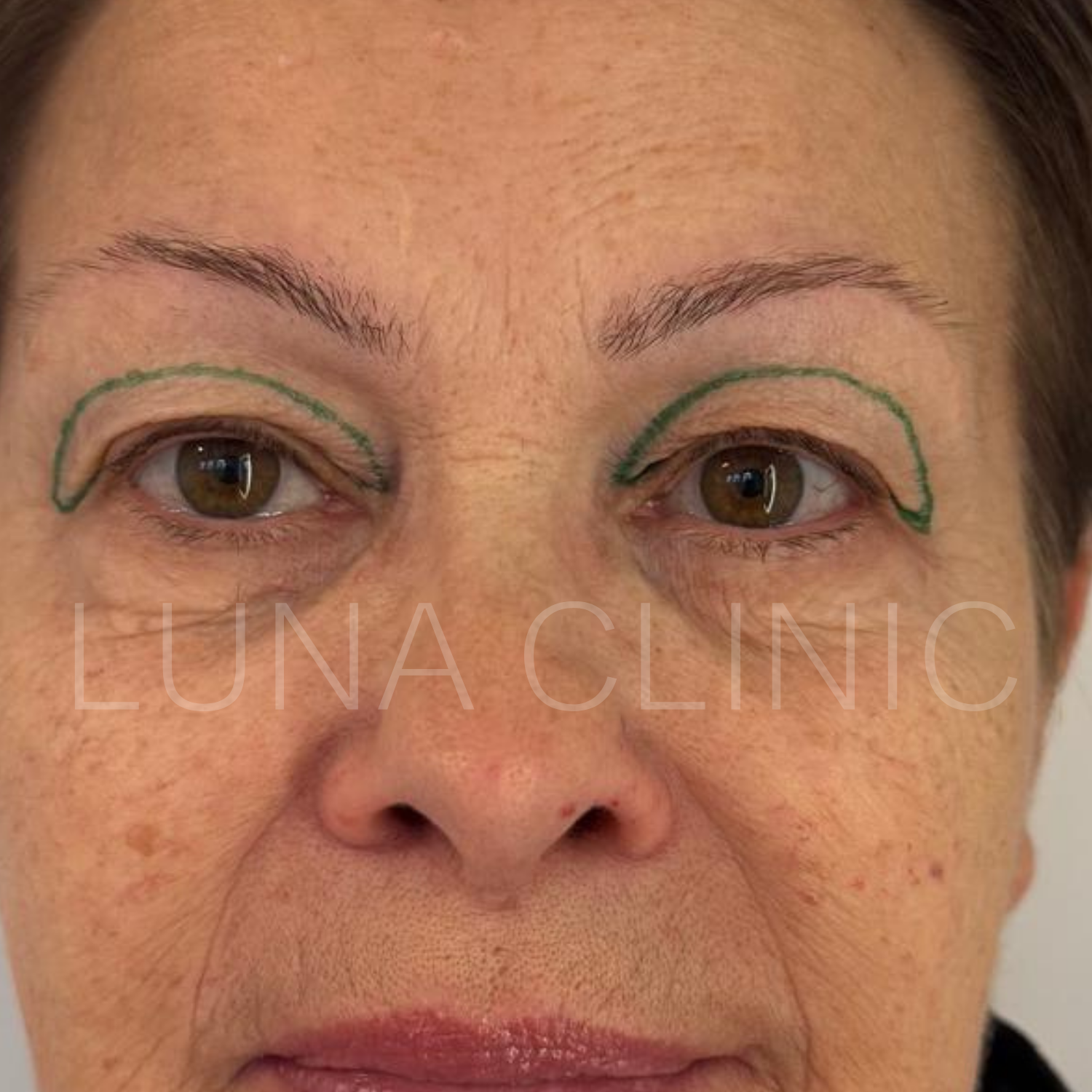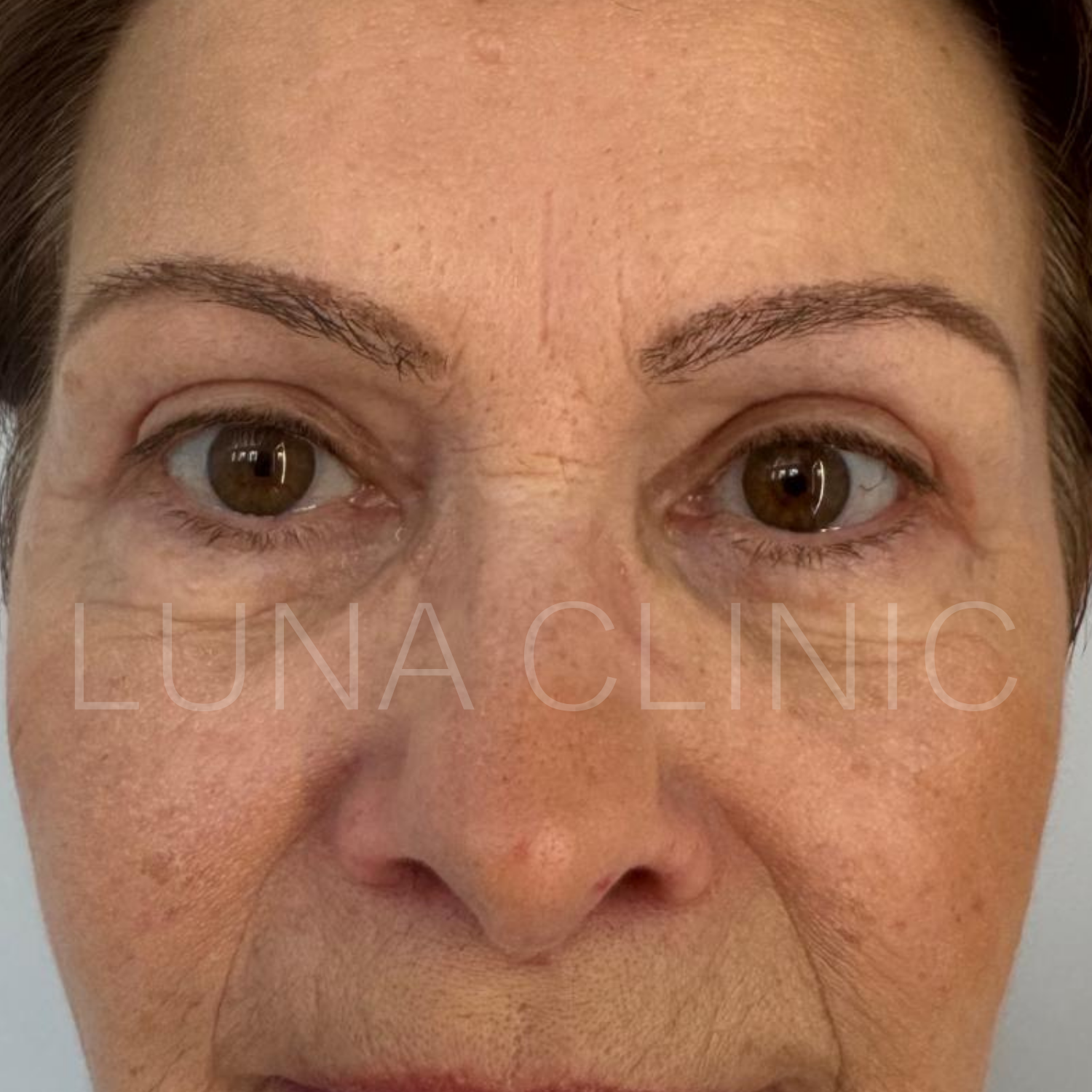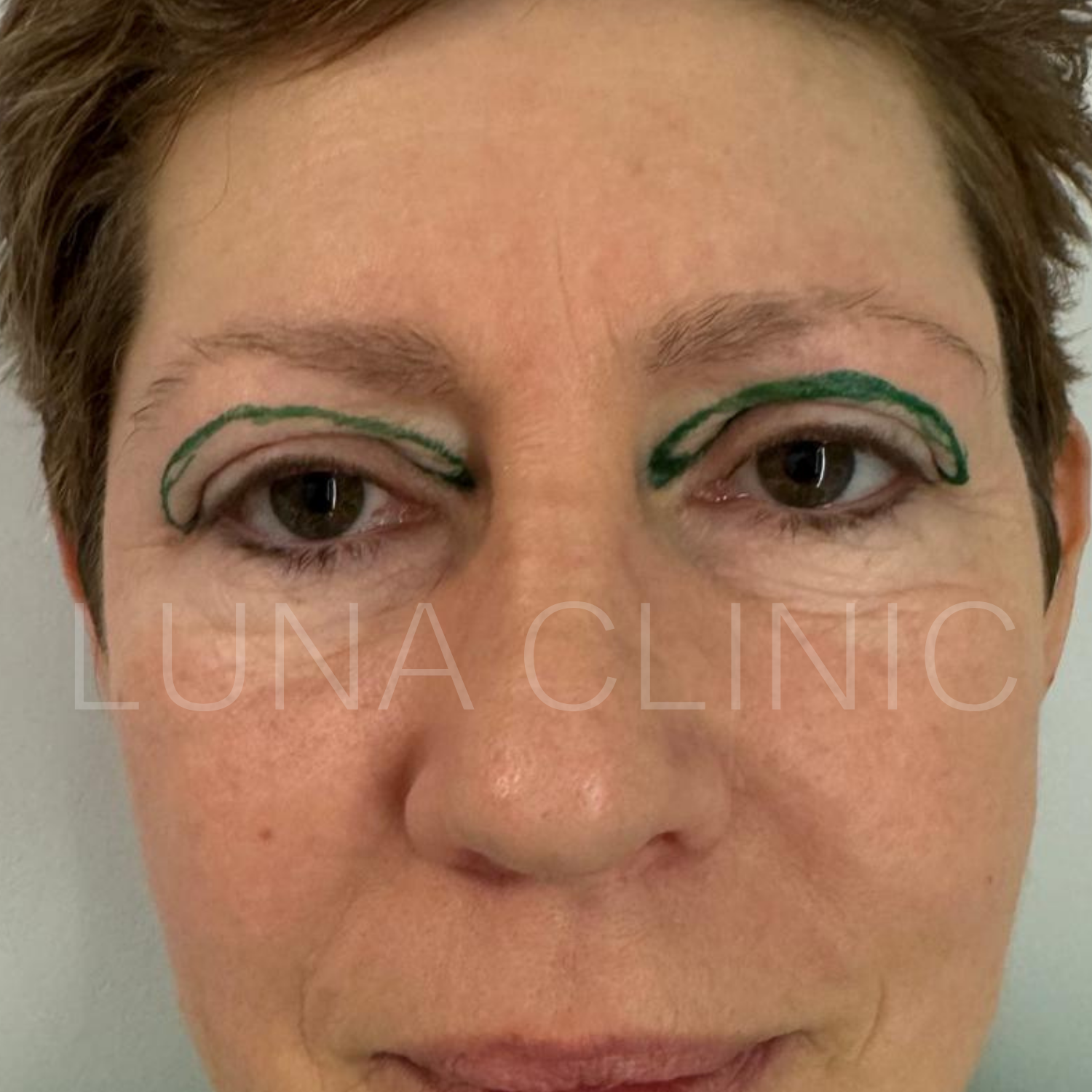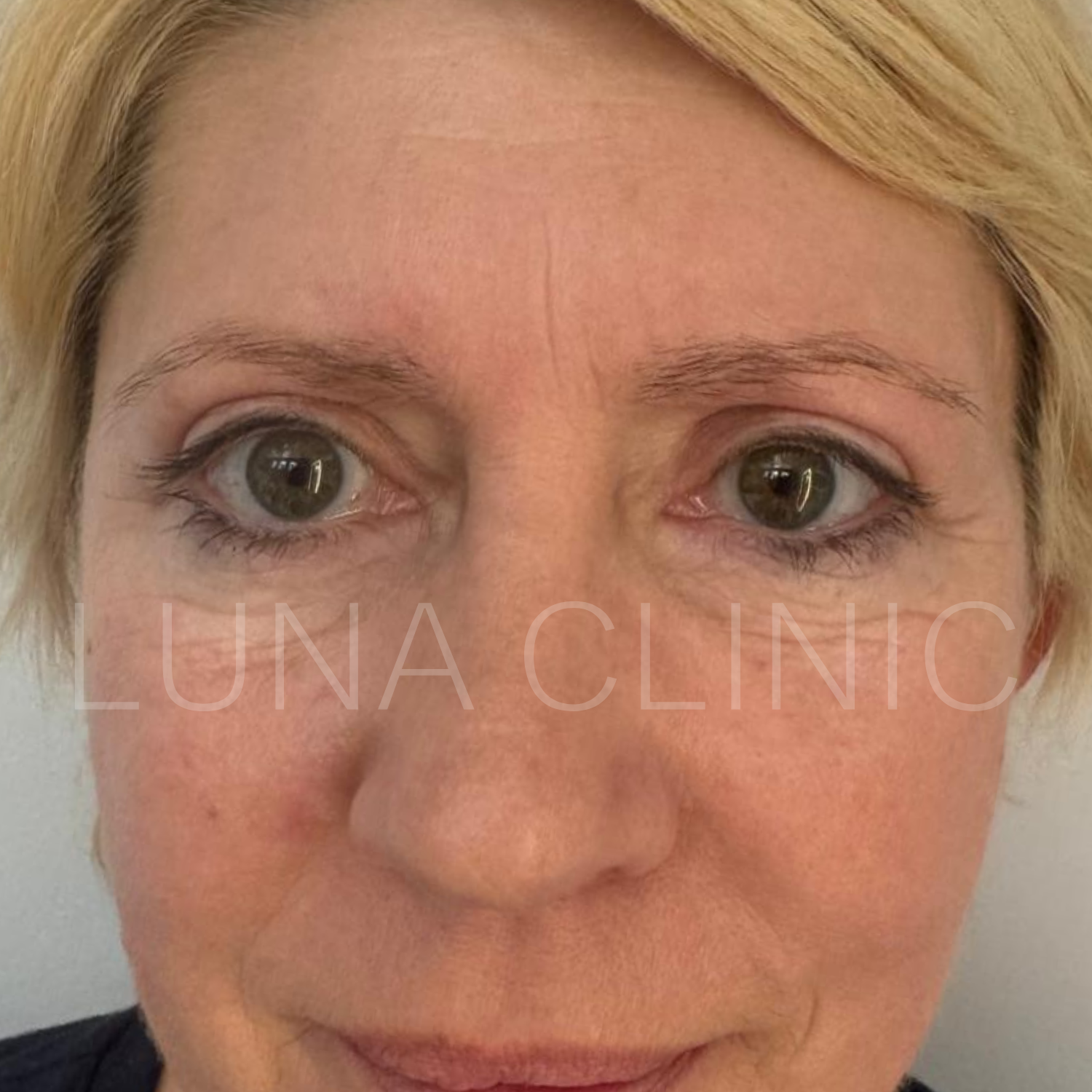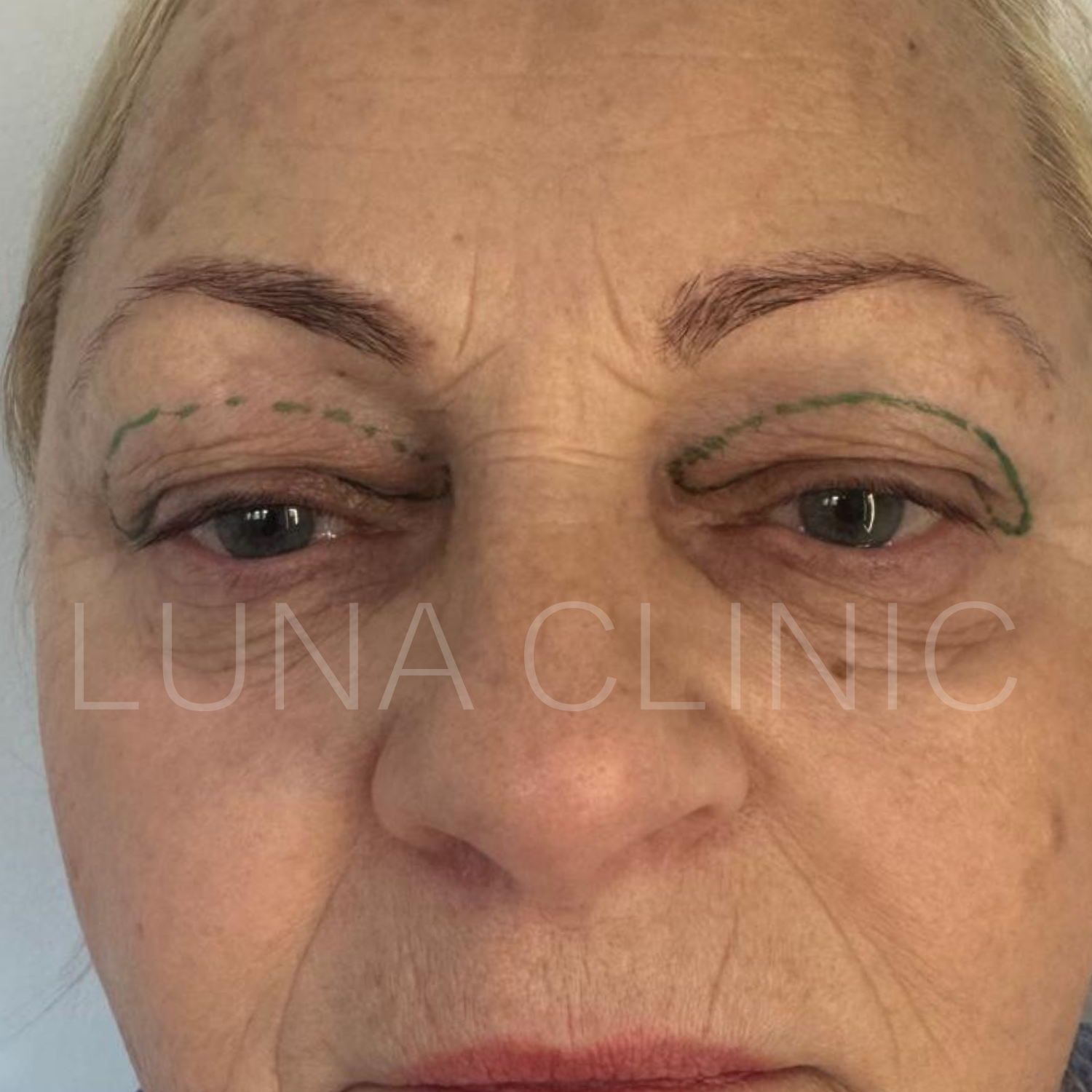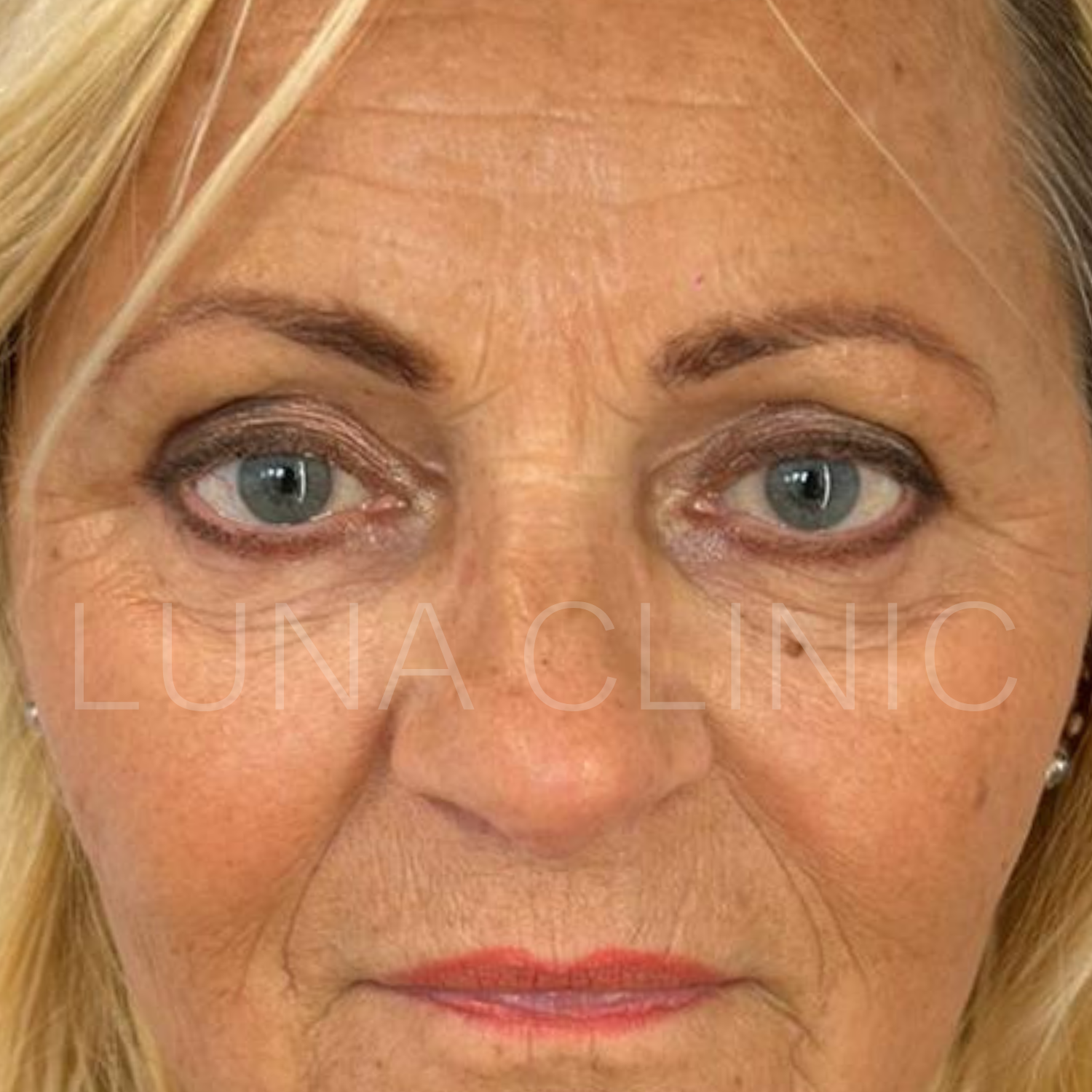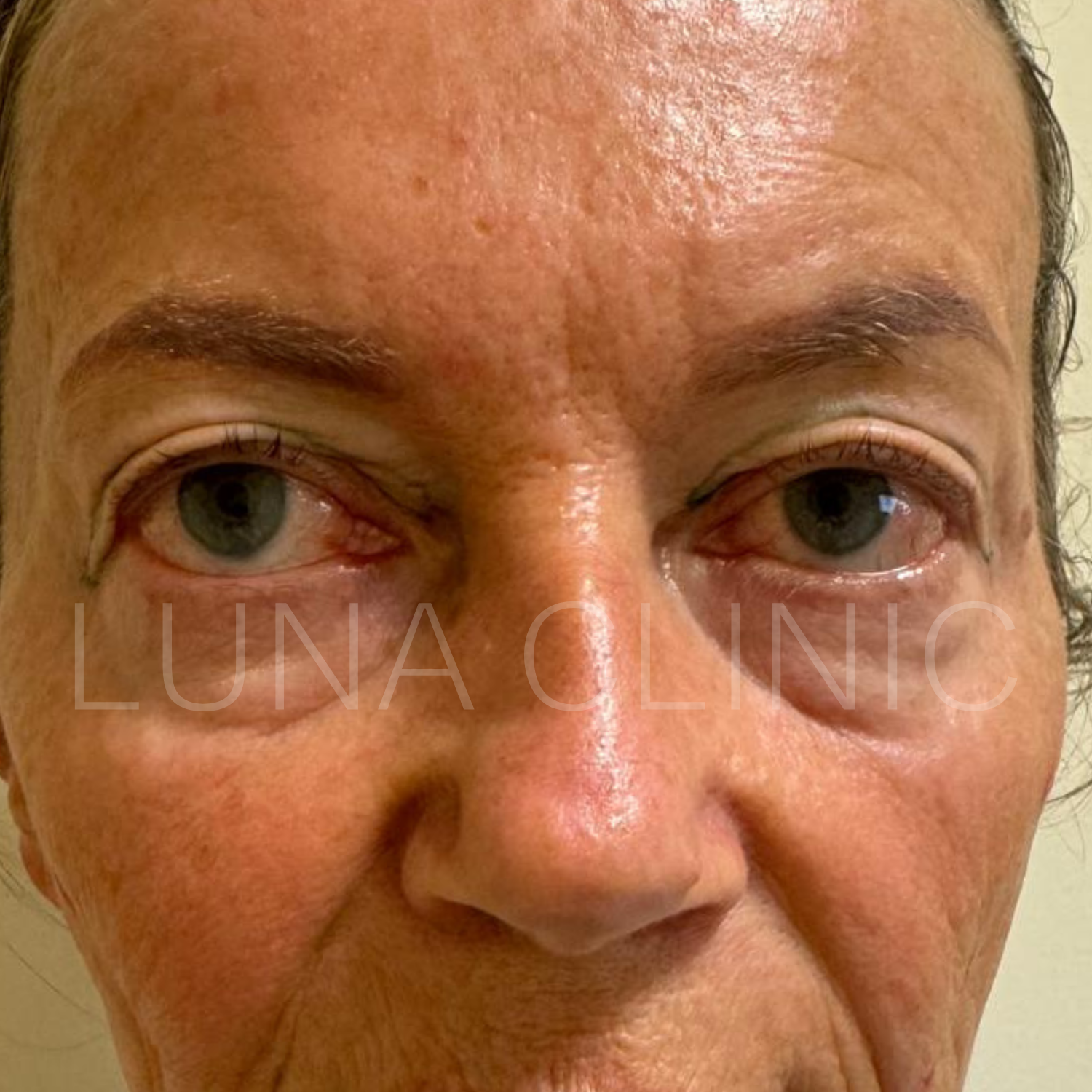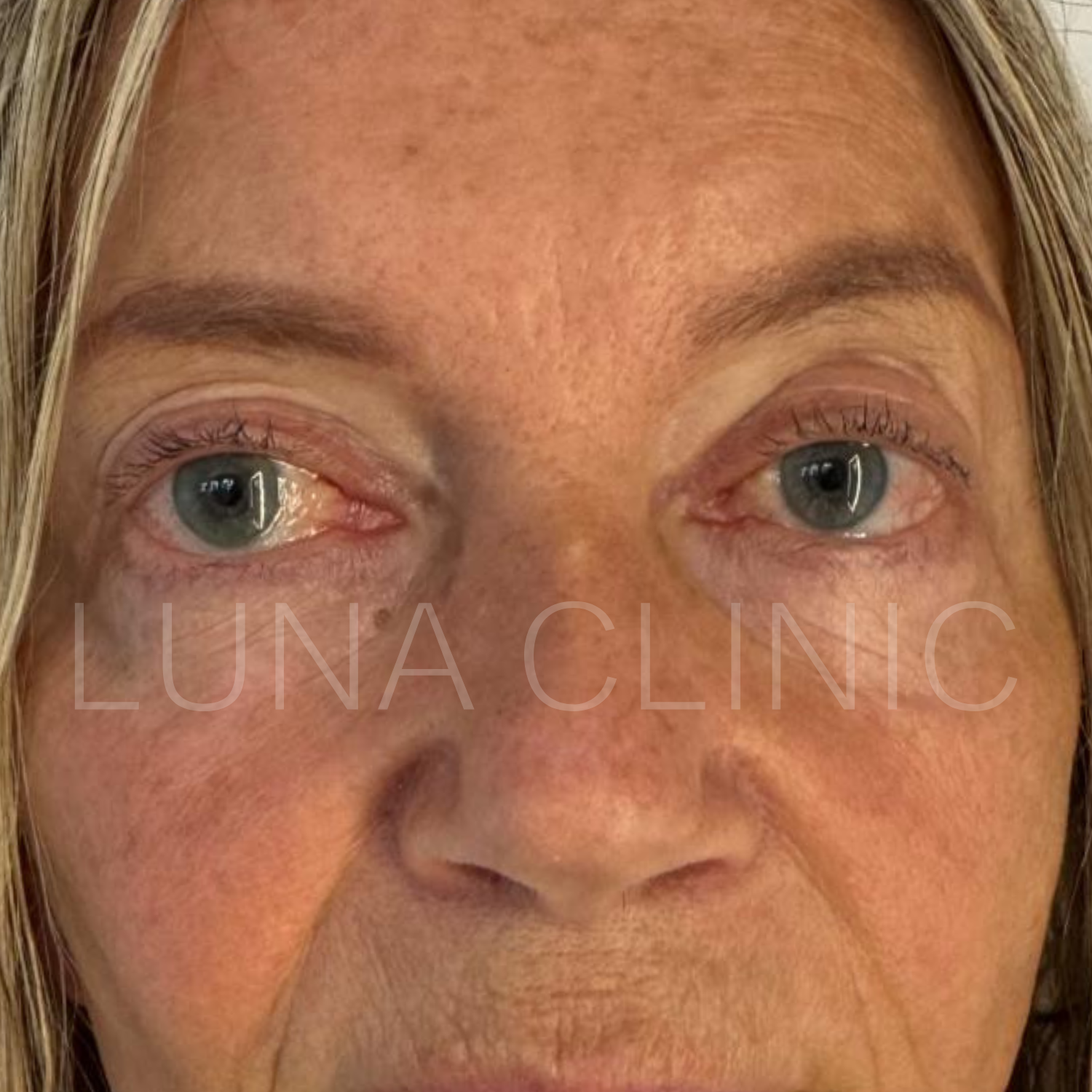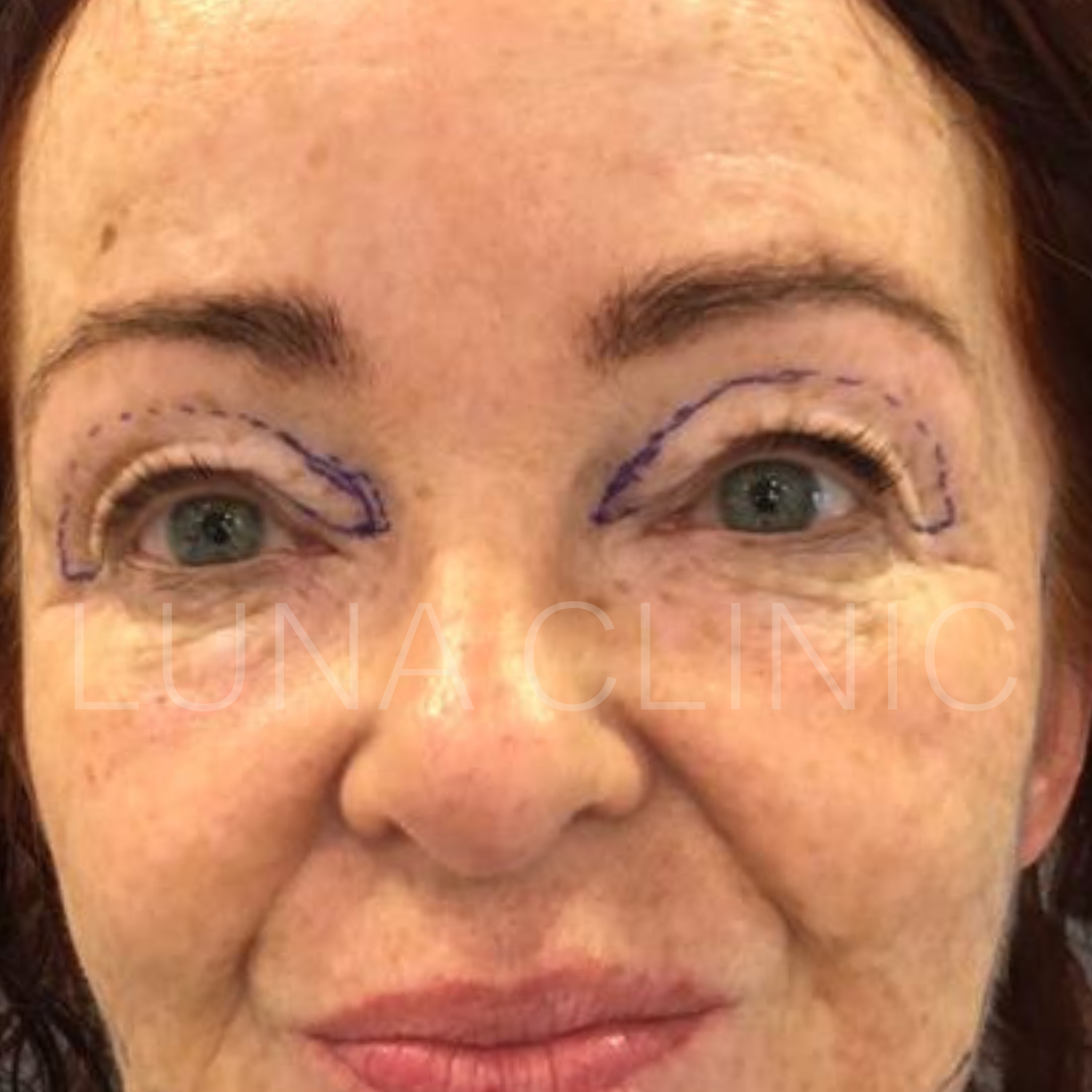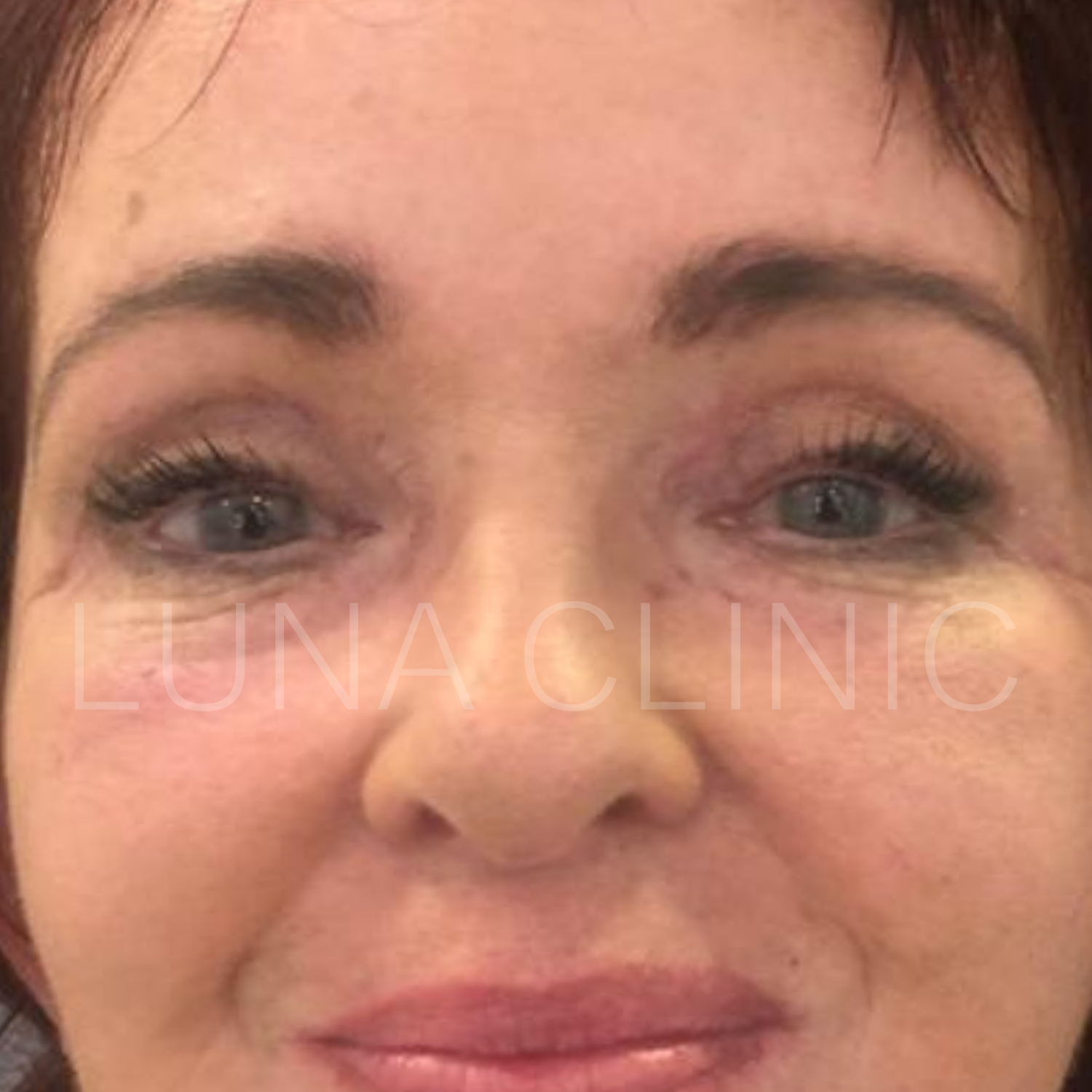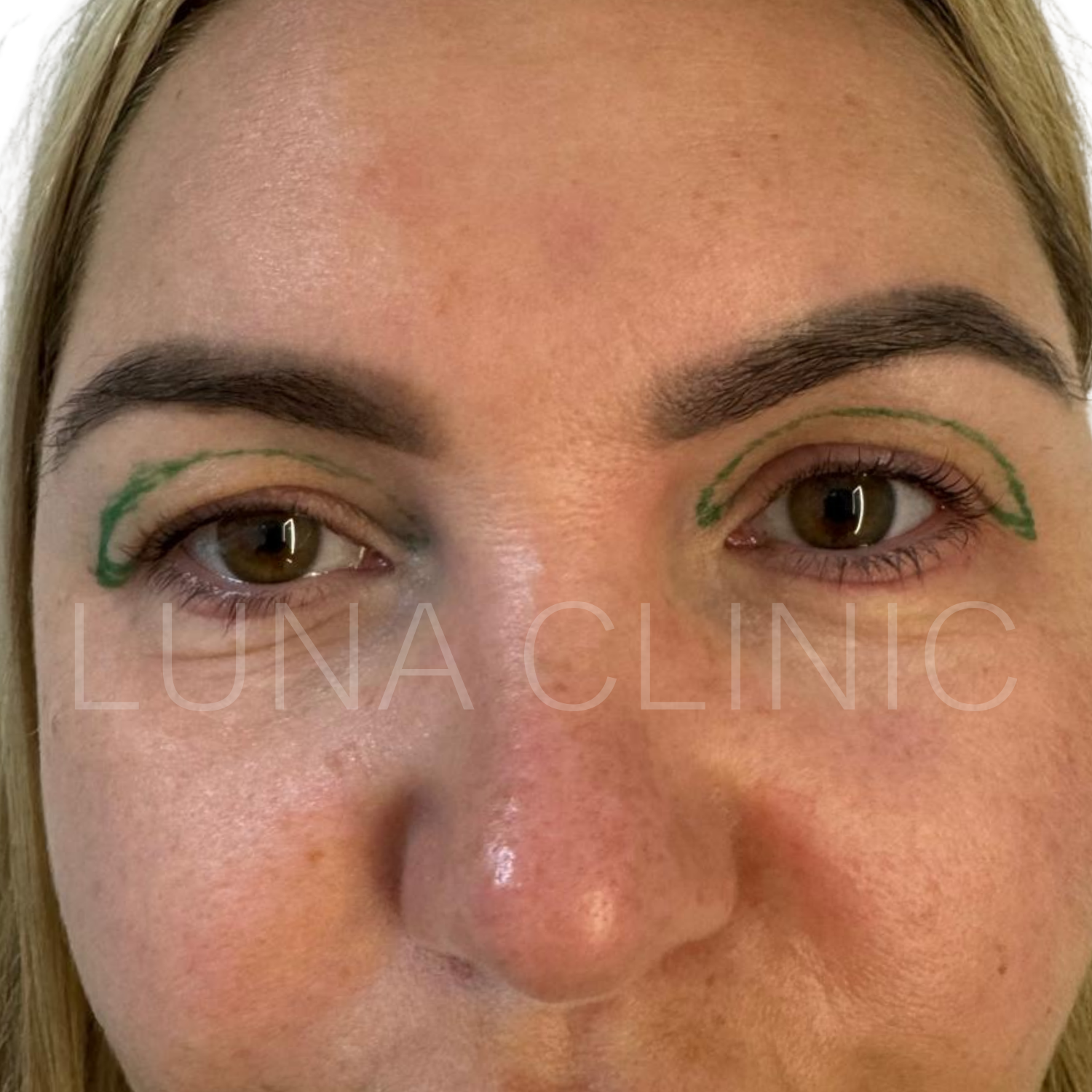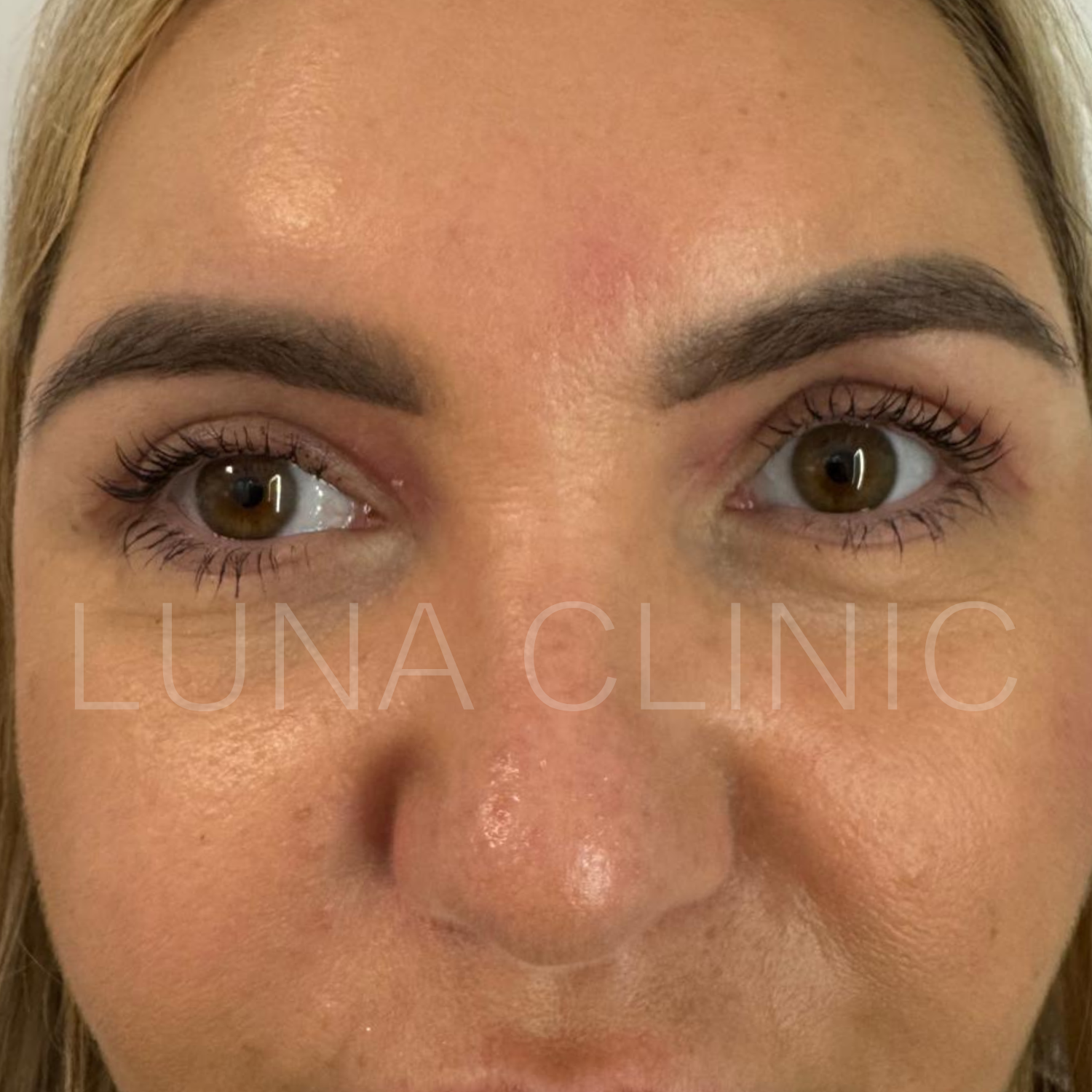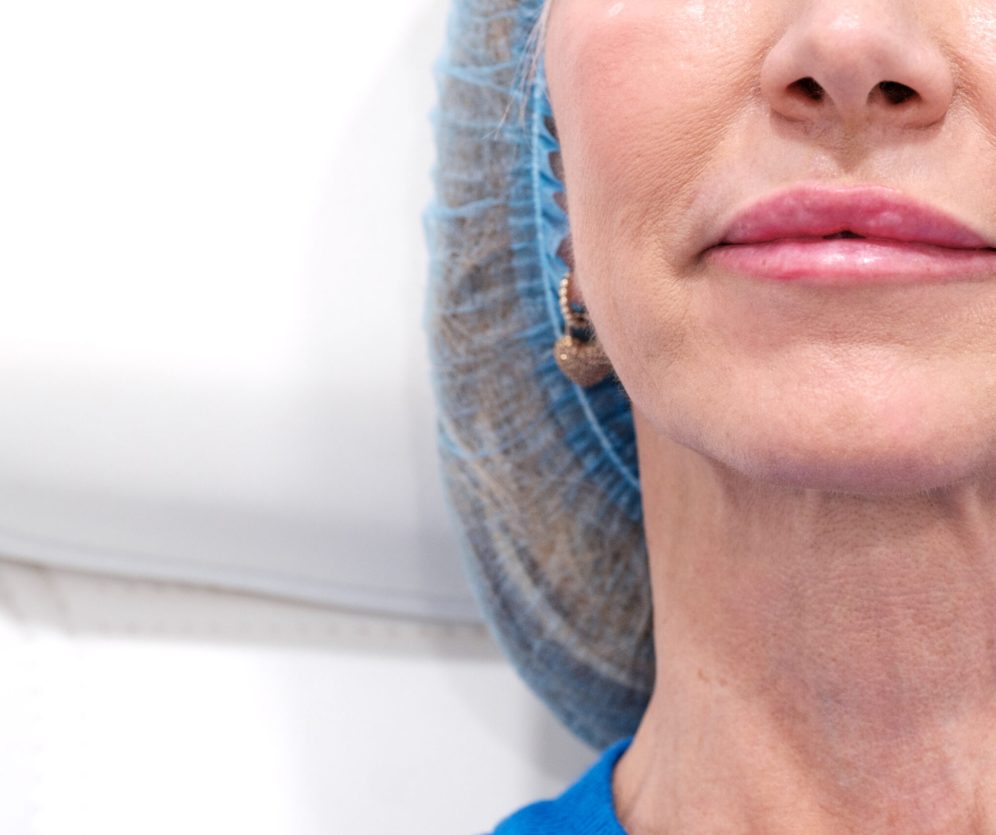

Upper Eyelid Surgery
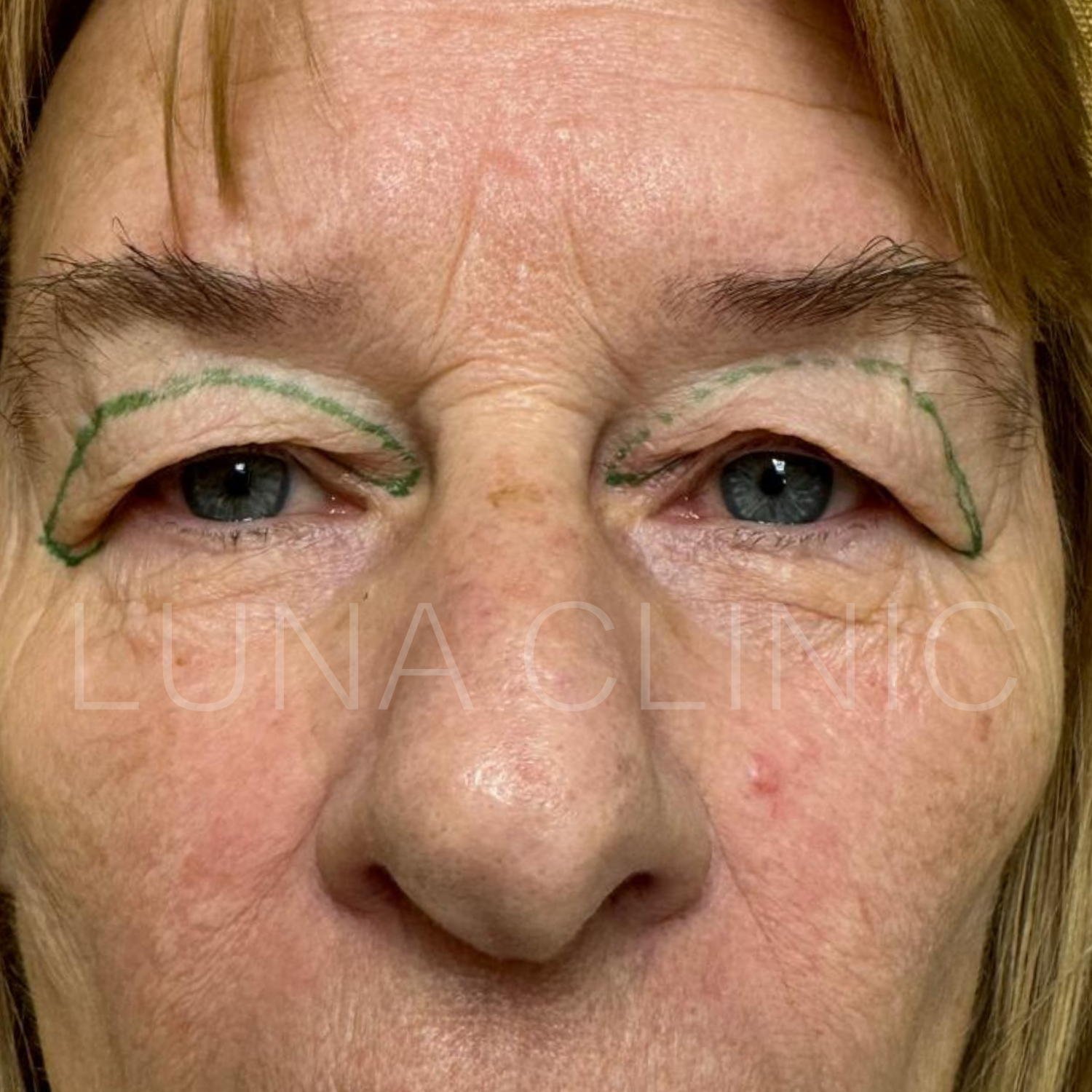
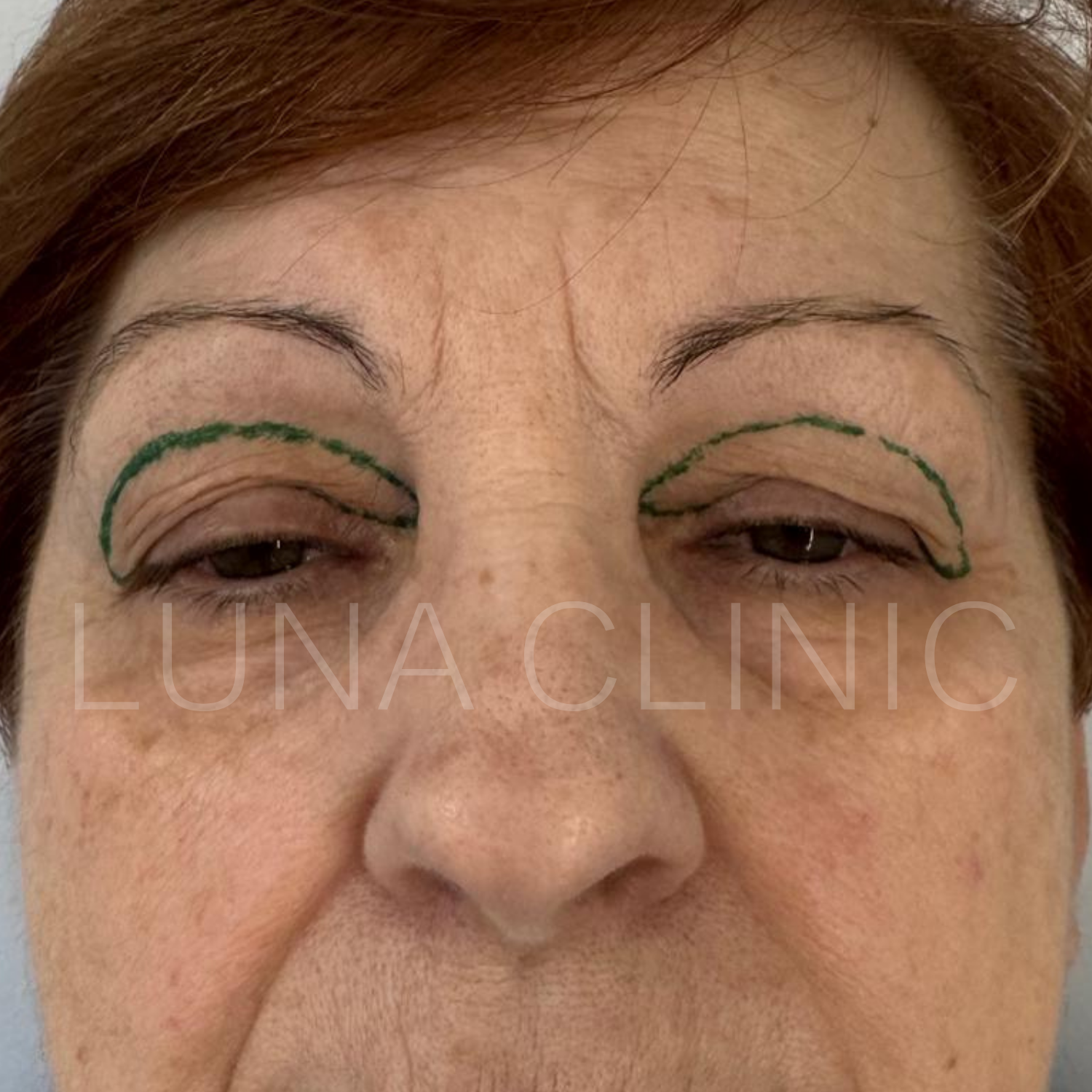
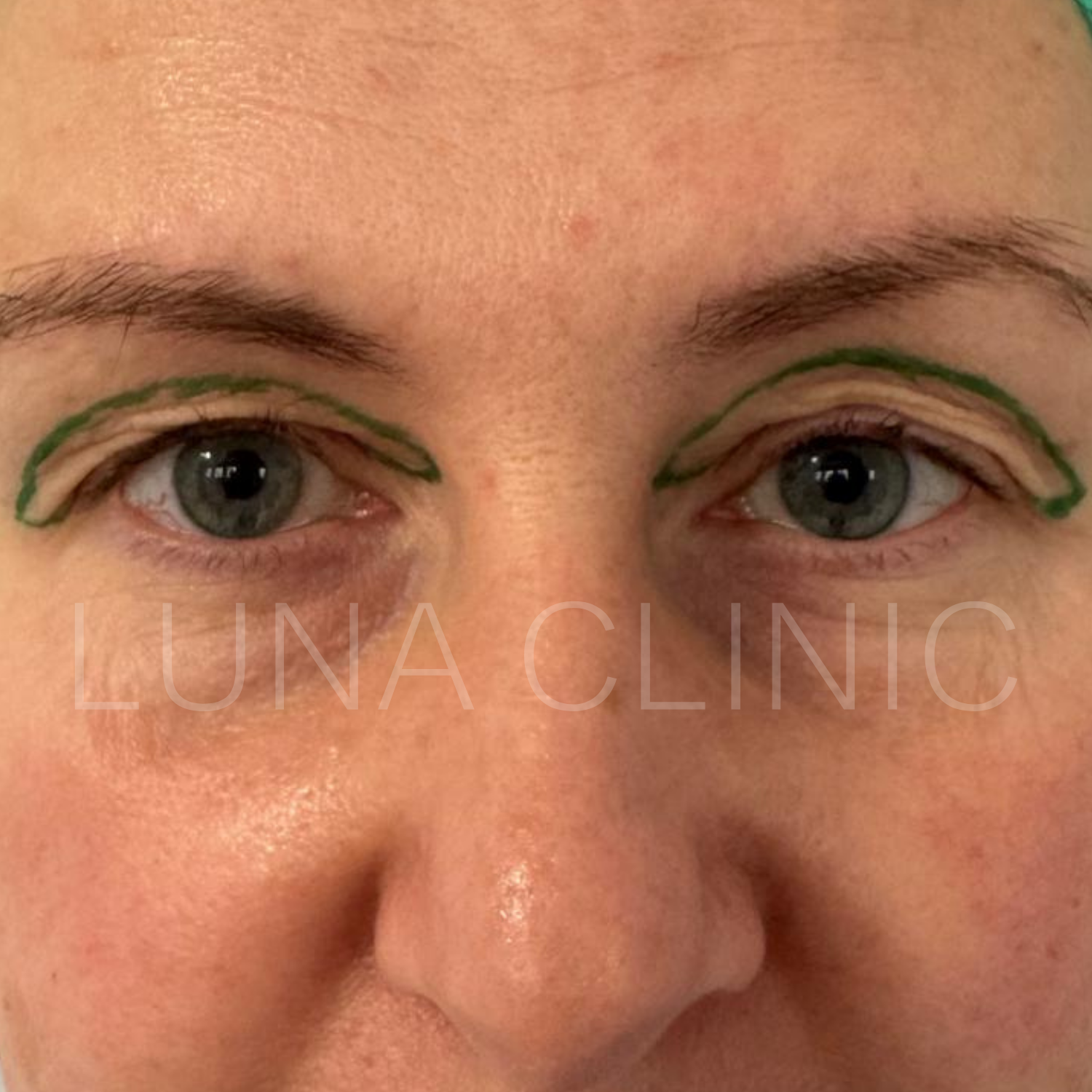
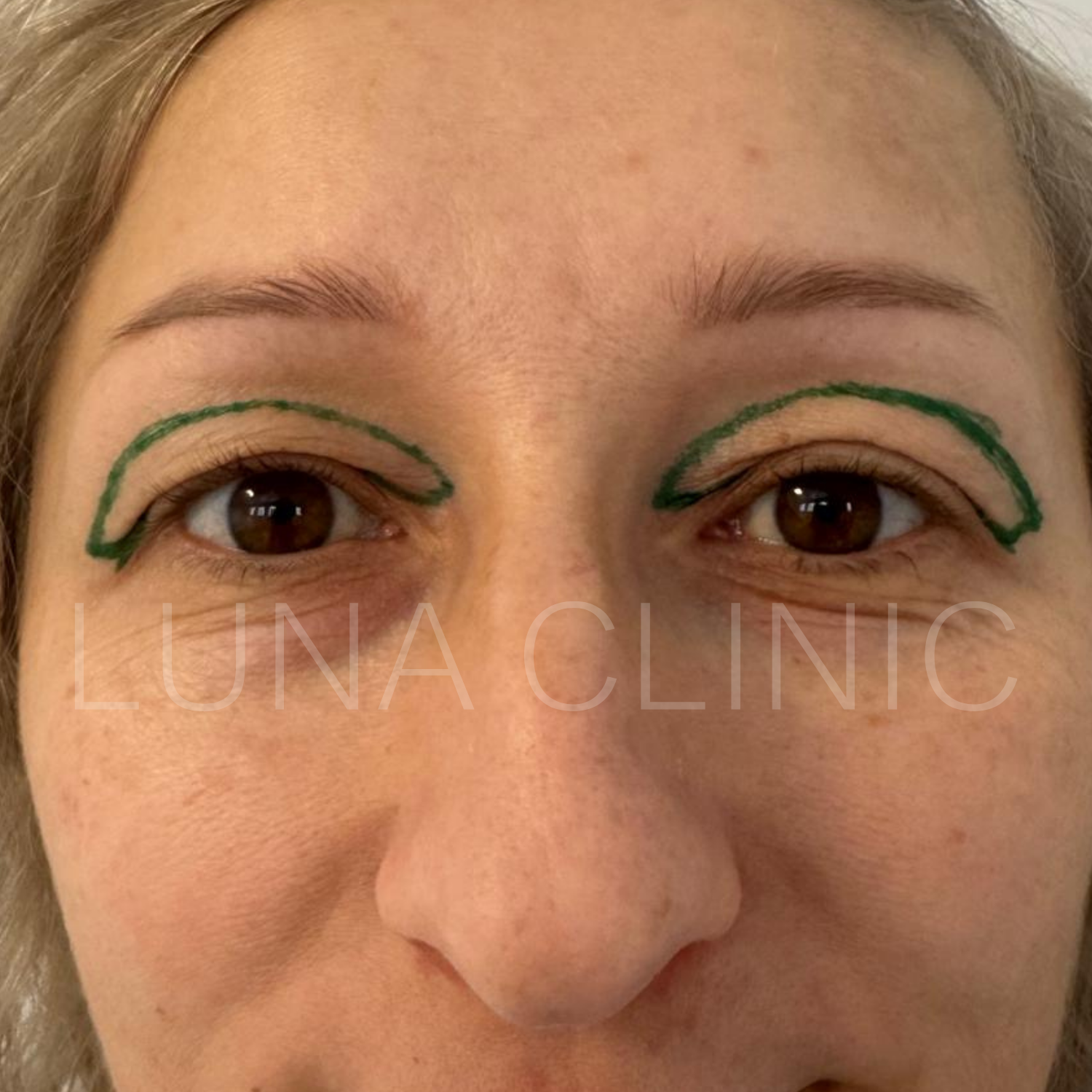
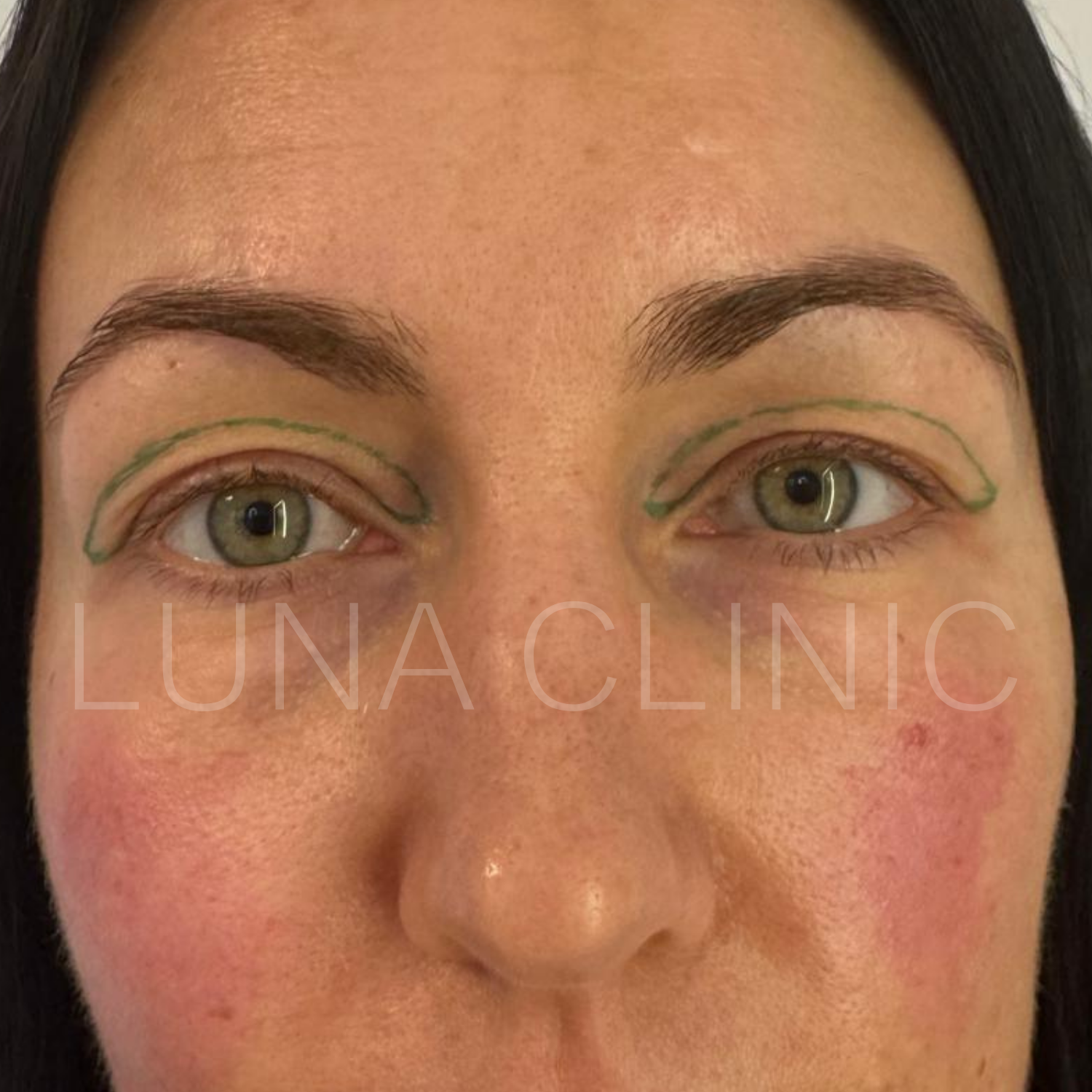
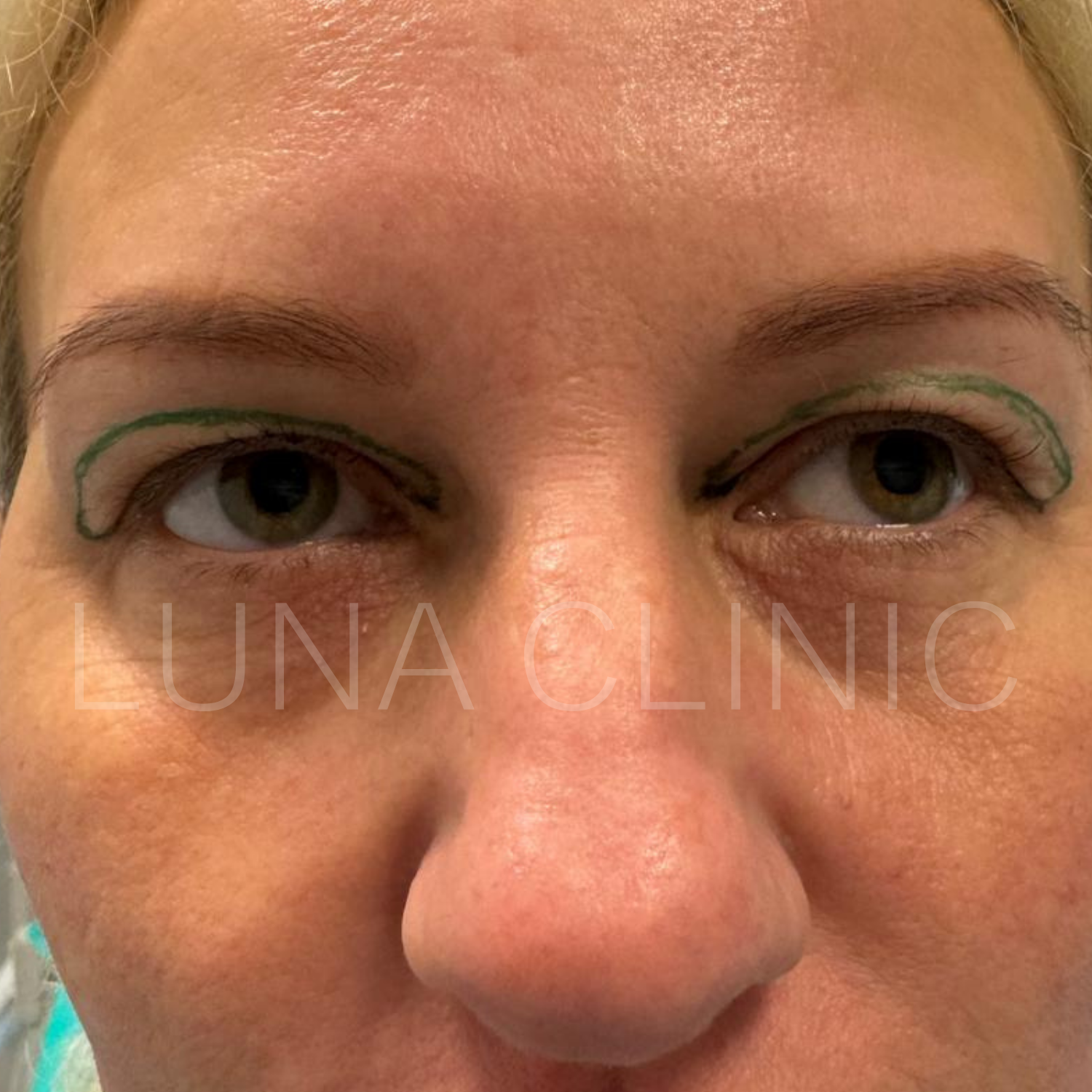
- Excess loose skin on the upper eyelid (known as drooping eyelid)
- Skin fold limiting the field of vision
- Fat hernias causing swelling or “bags”
- A tired, sad look in the eyes
- Functional and aesthetic discomfort
- Uncontrolled chronic diseases (diabetes, hypertension)
- Blood clotting disorders
- Active skin infections in the eyelid area
- Unstabilized eye diseases (e.g., severe dry eye syndrome)
- Unrealistic expectations regarding the effect
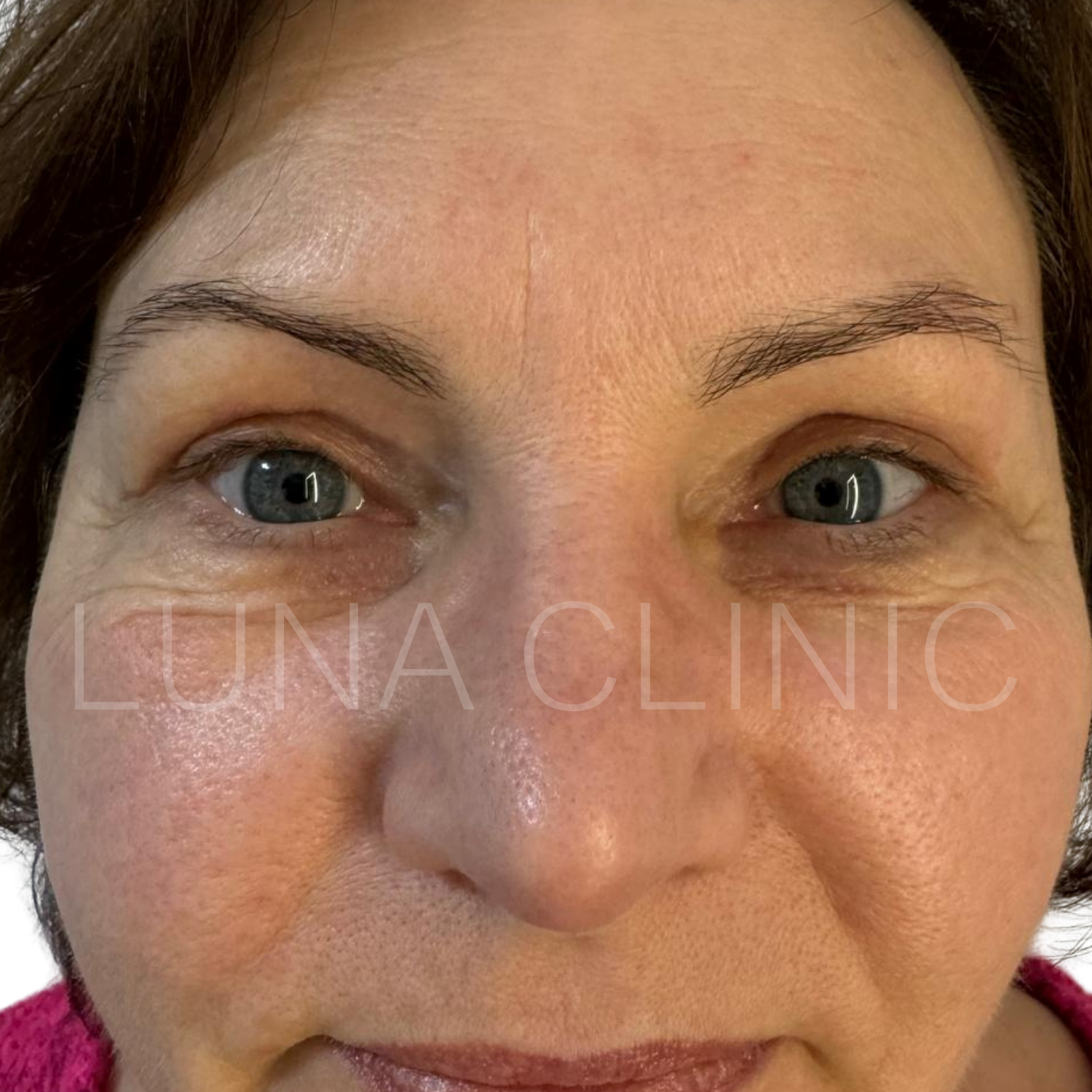
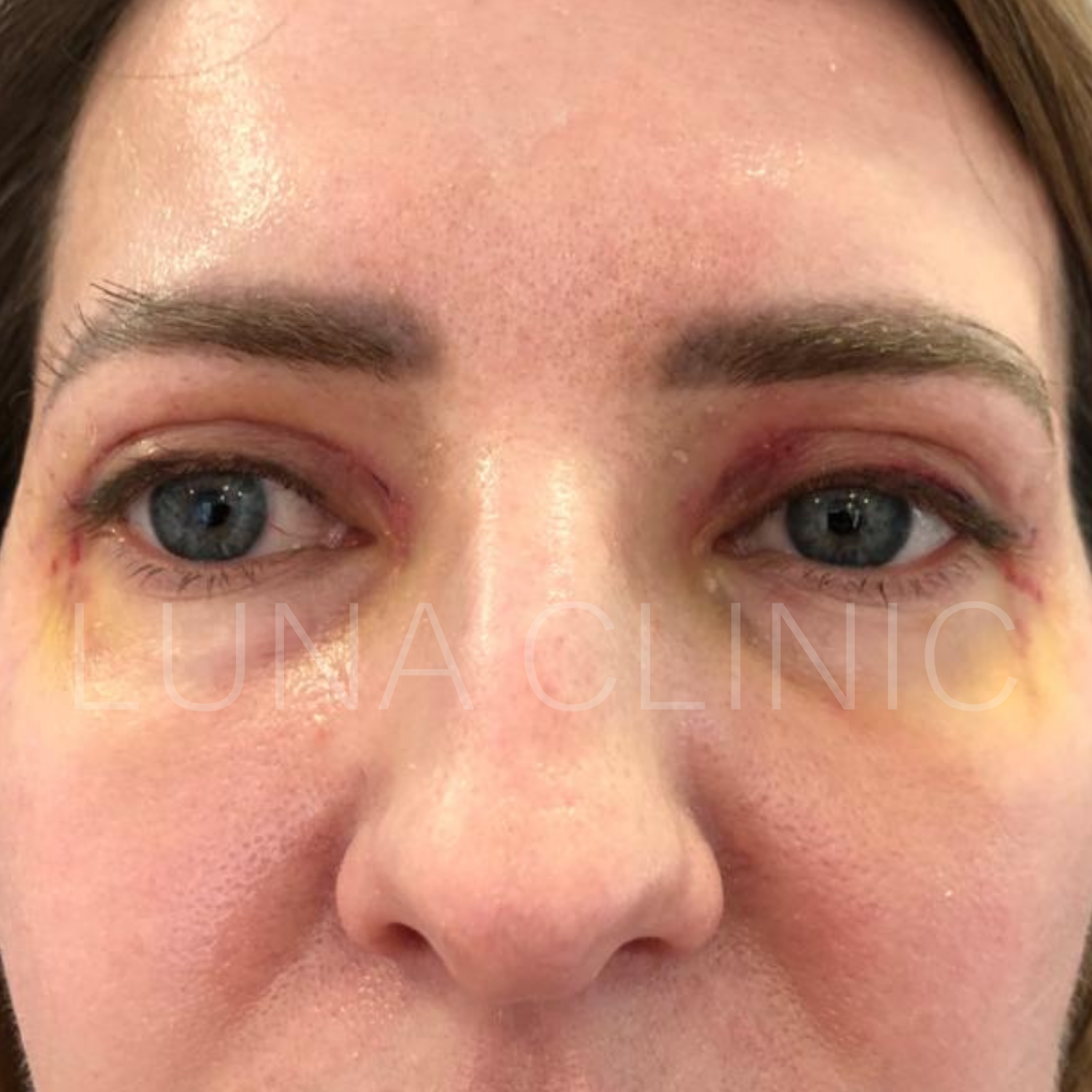
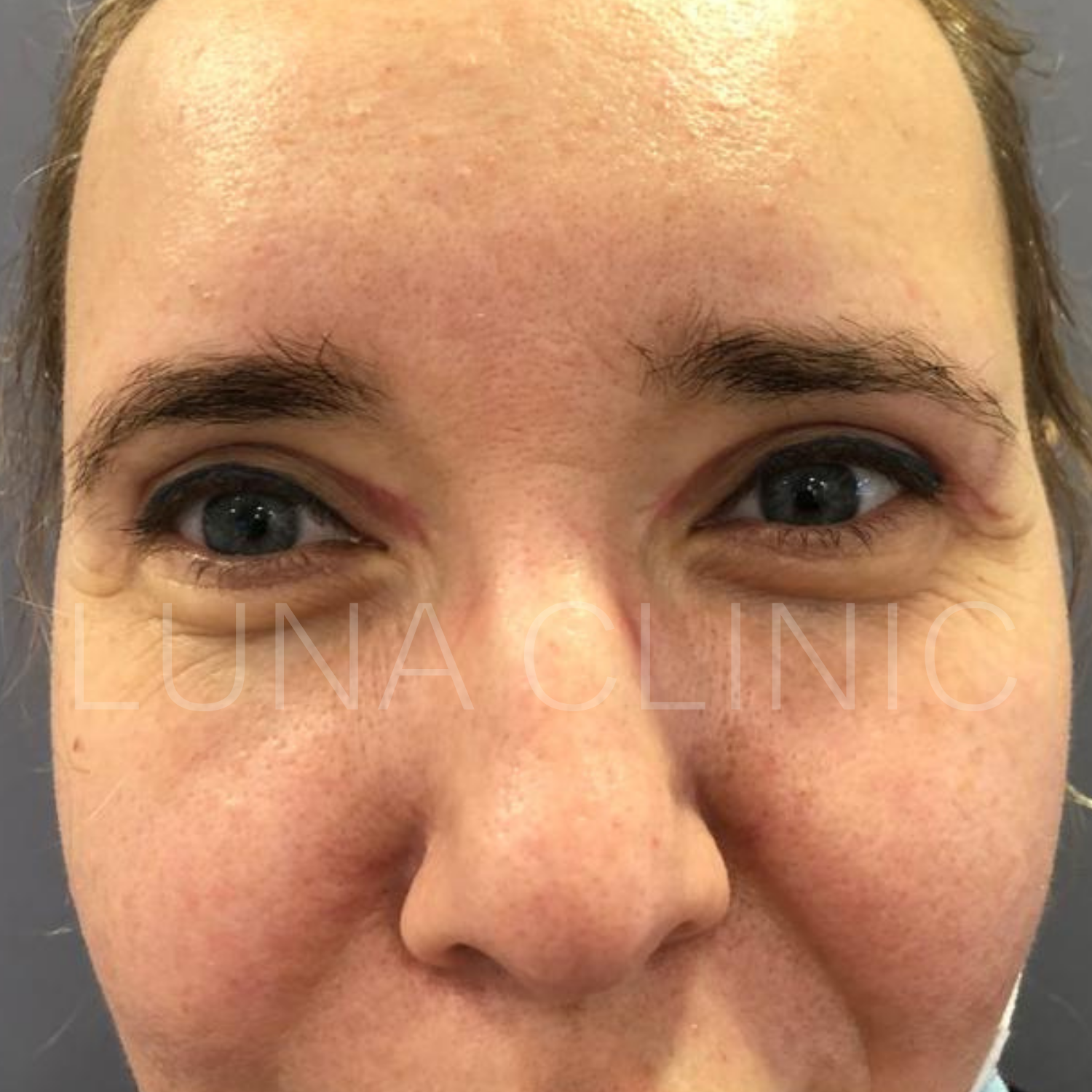
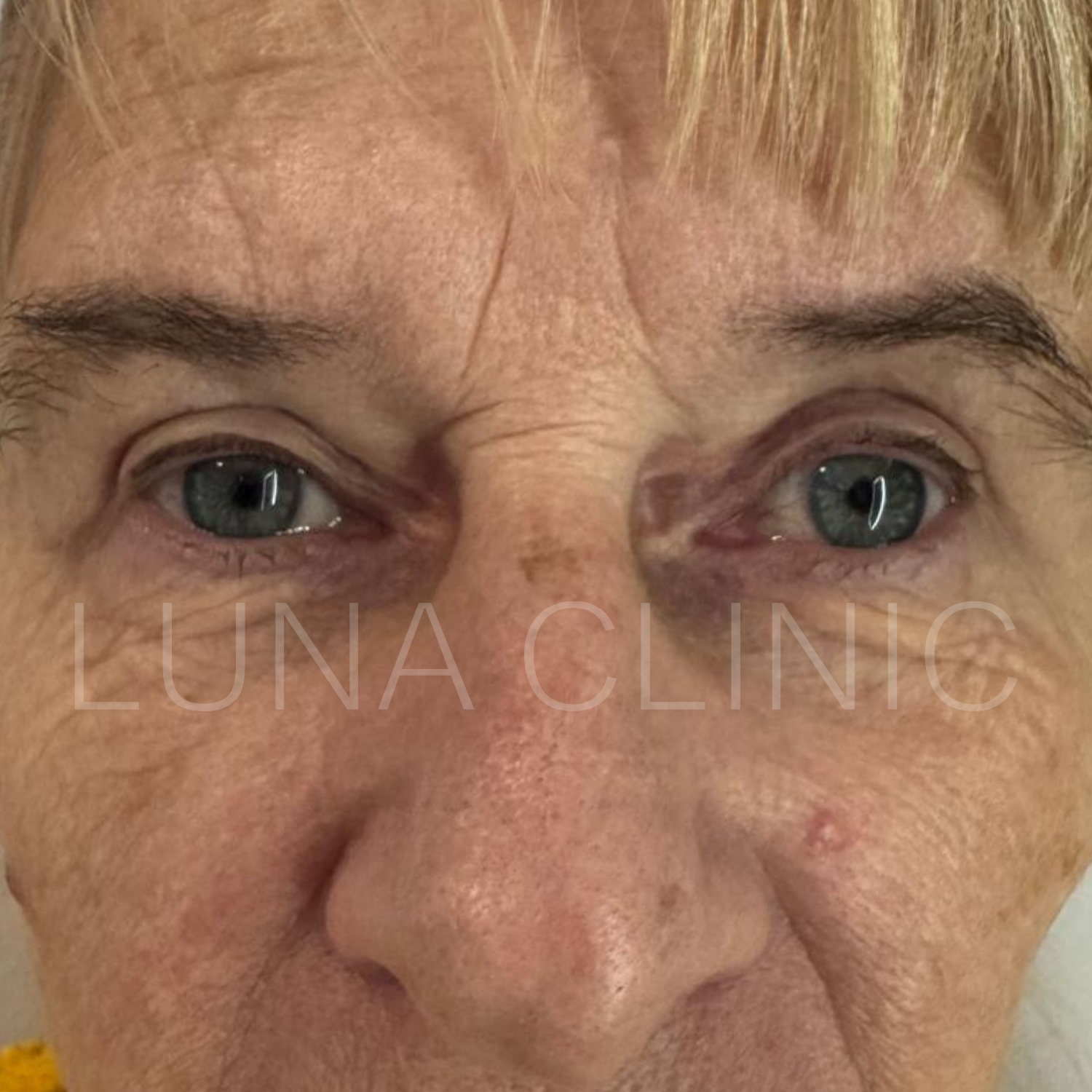
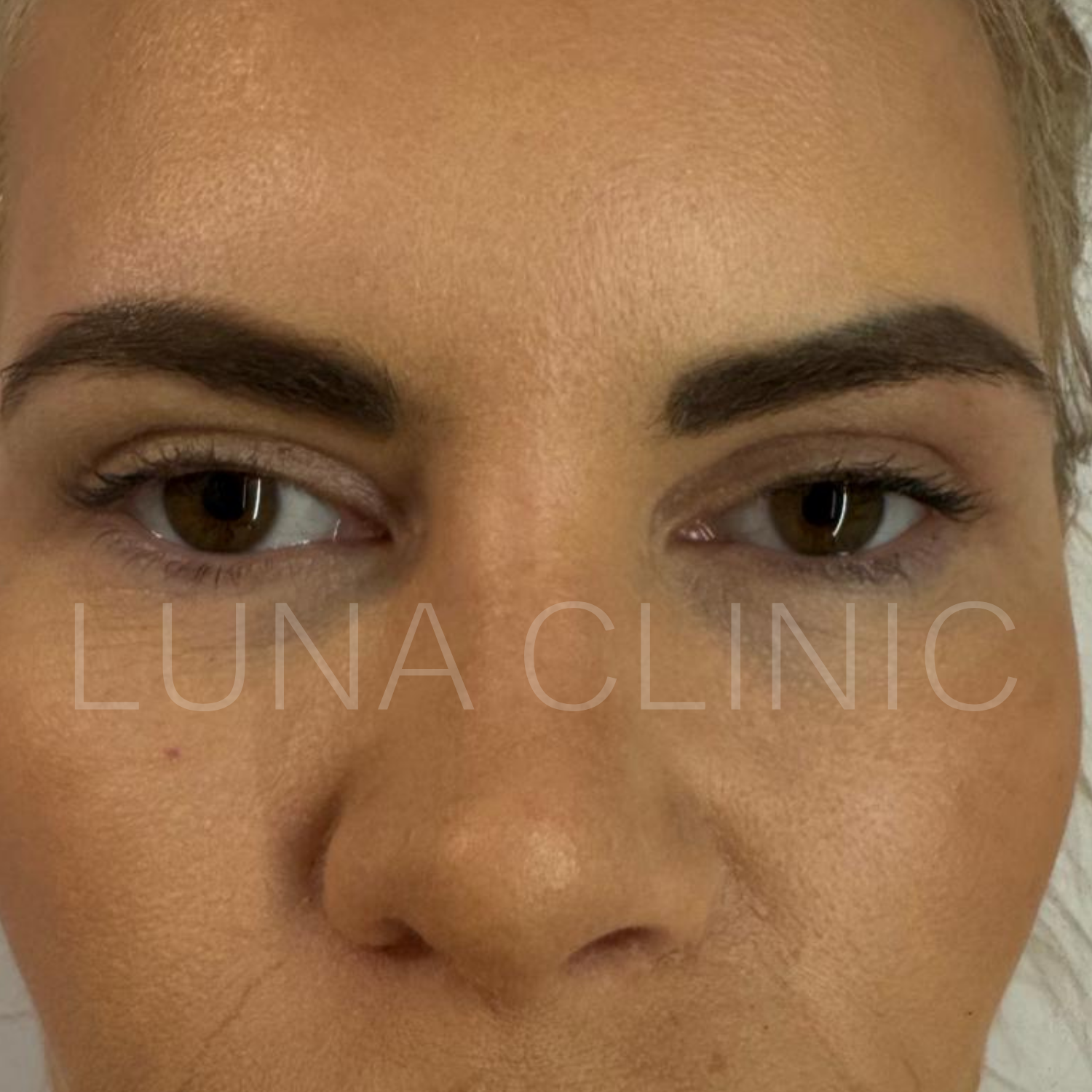
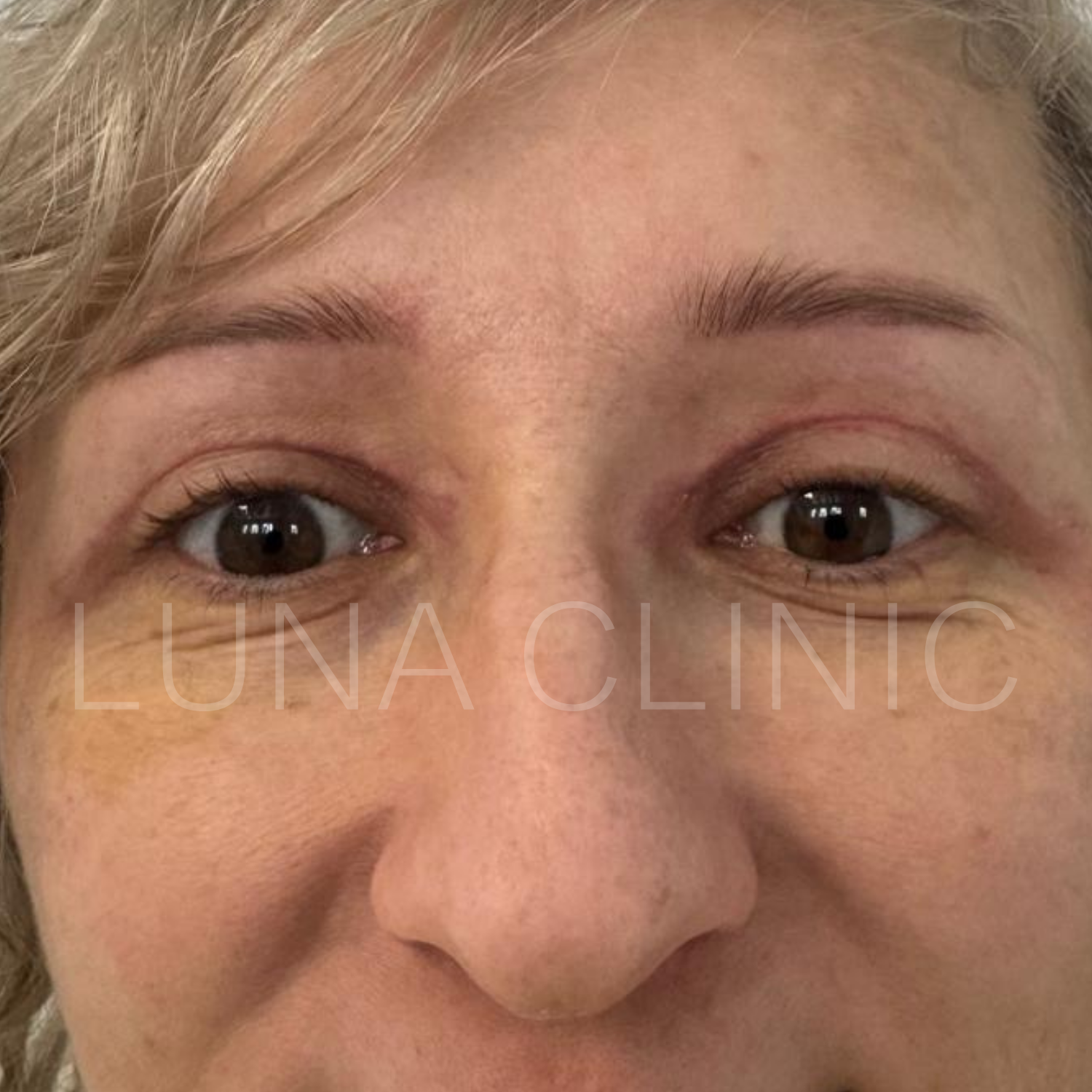
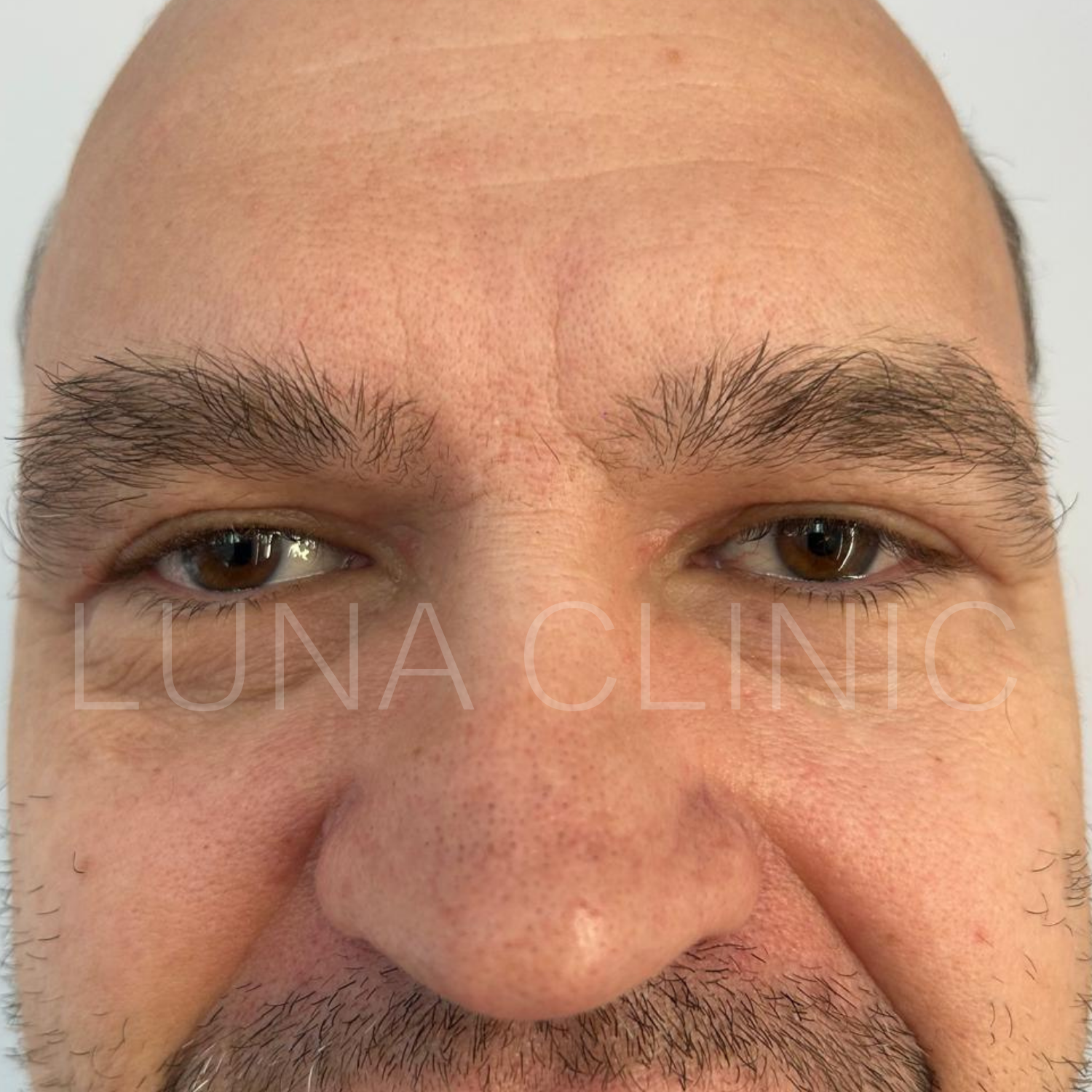
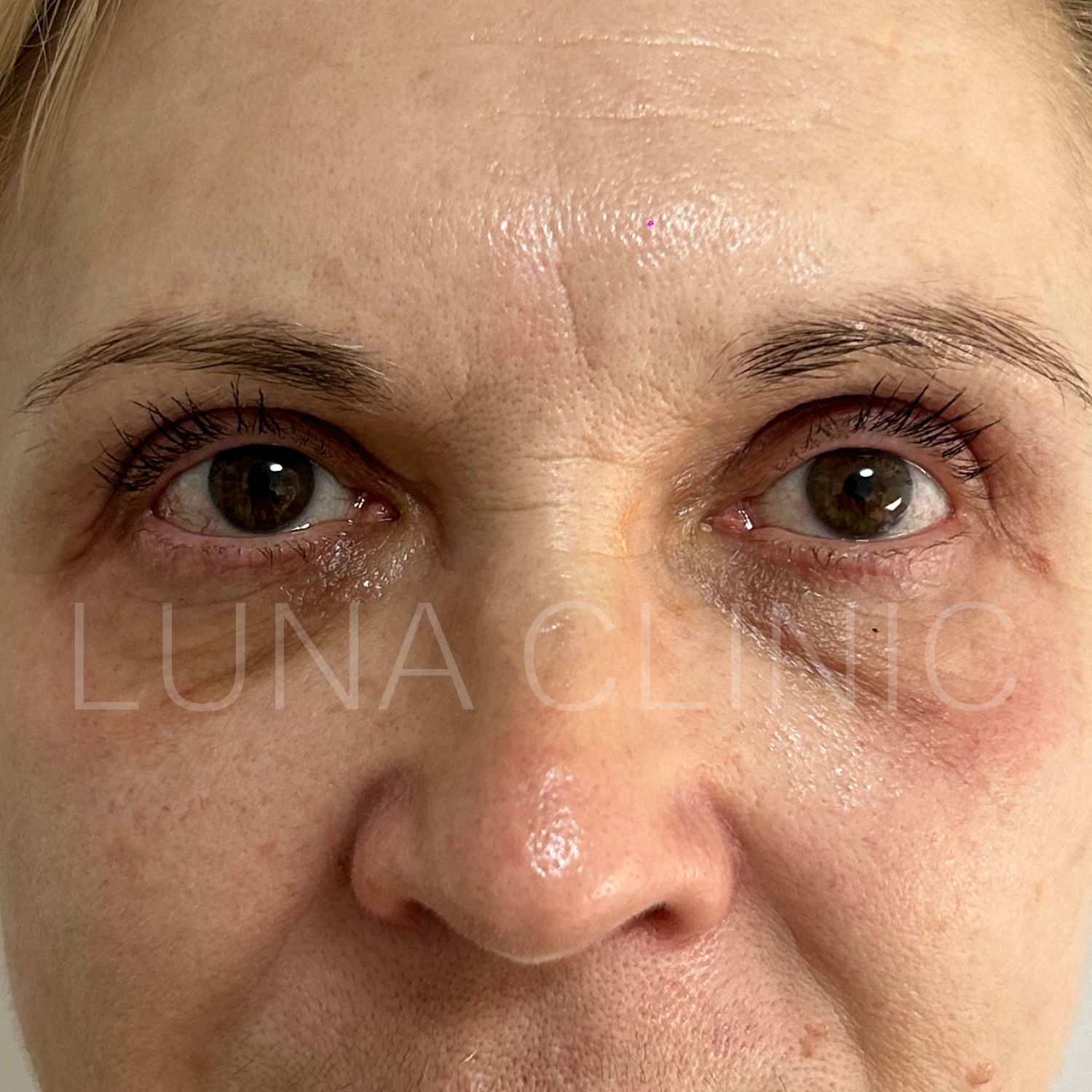
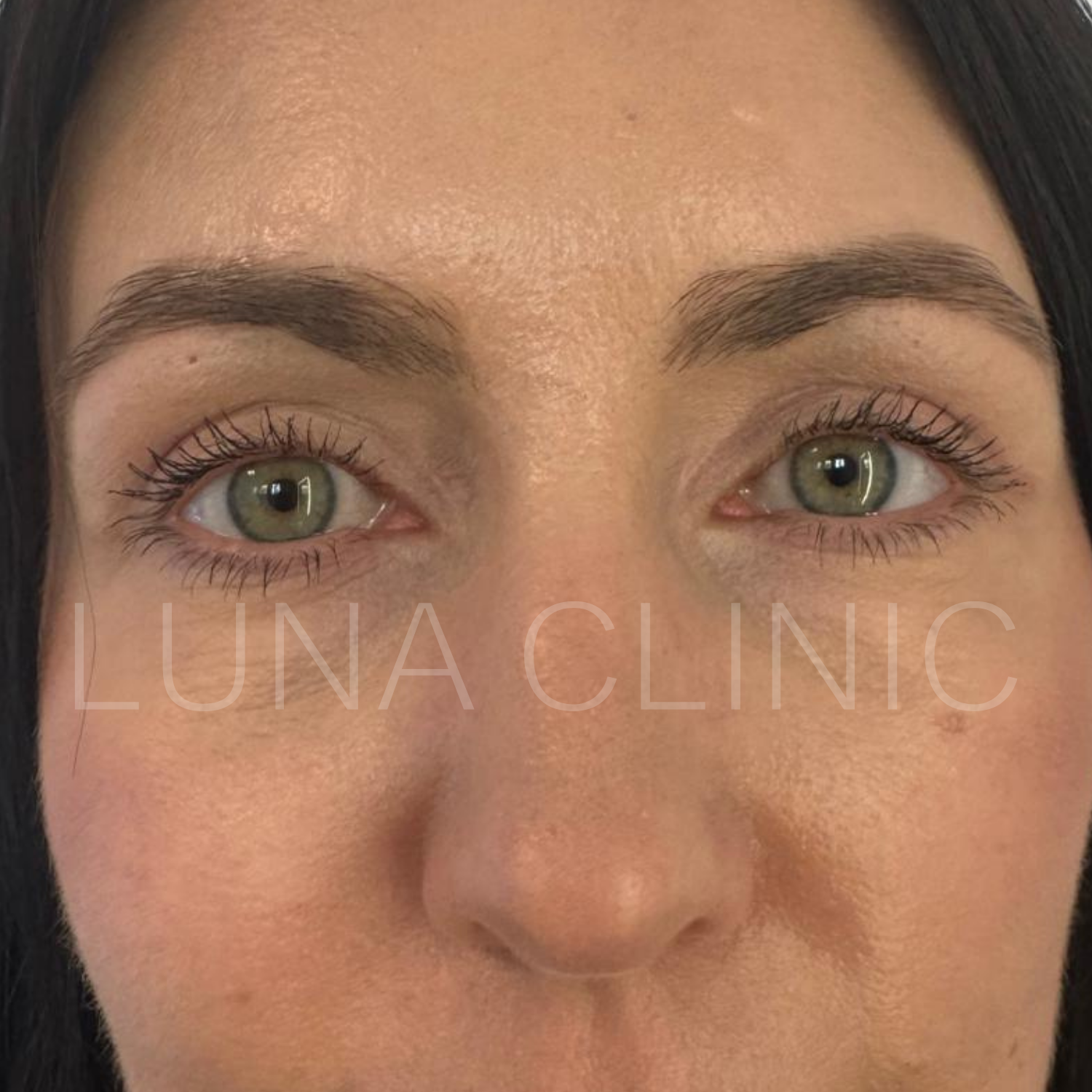
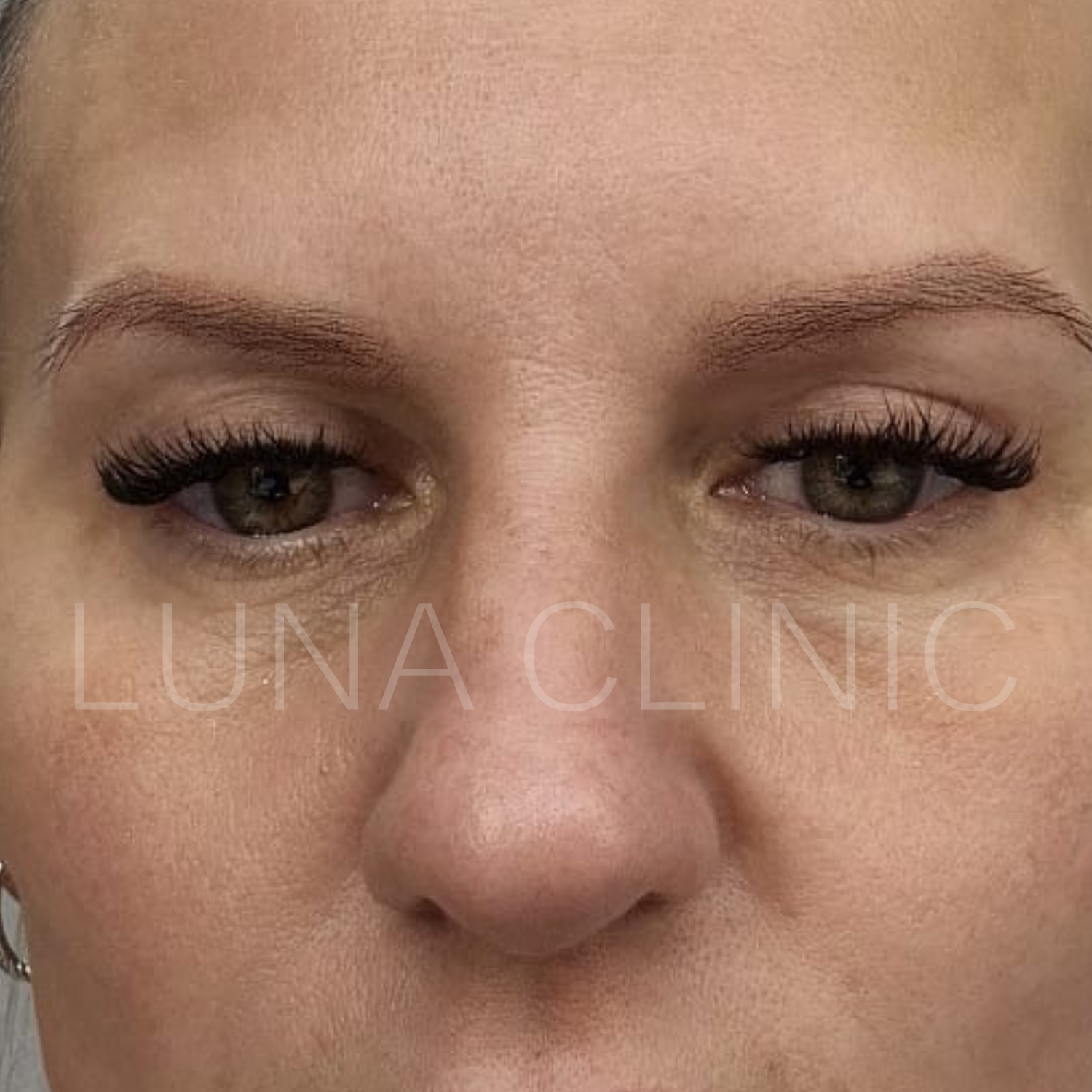
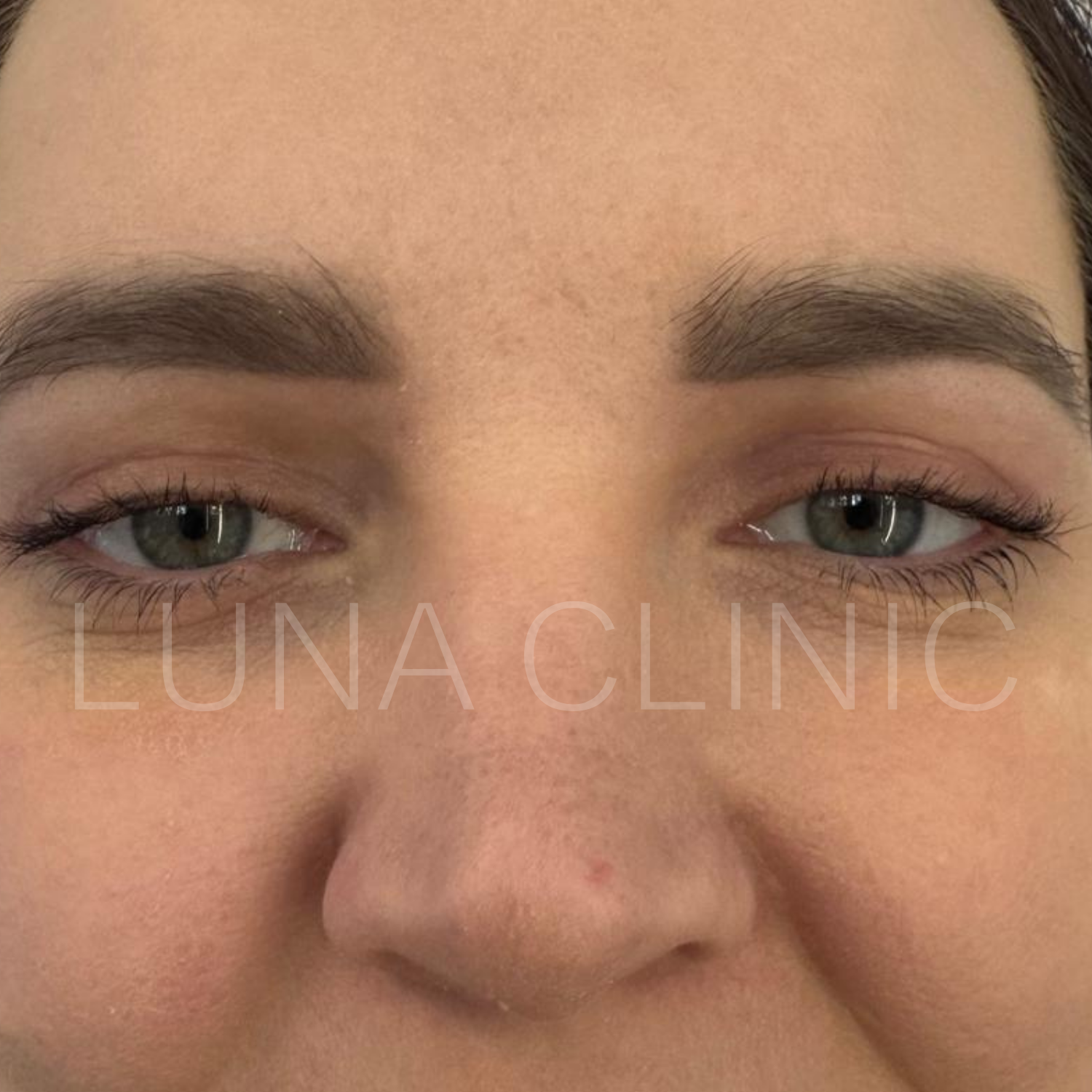
Effects of the treatment


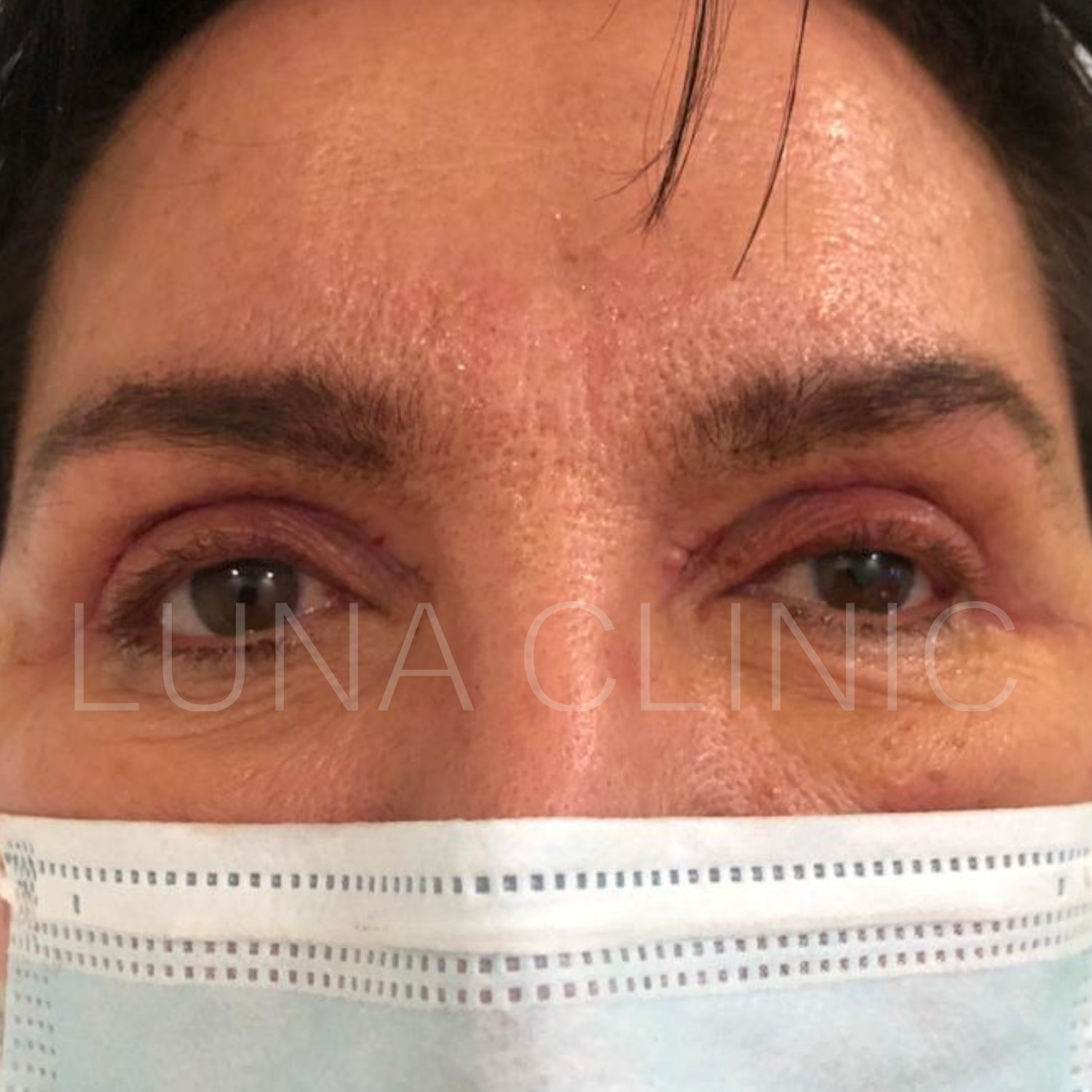
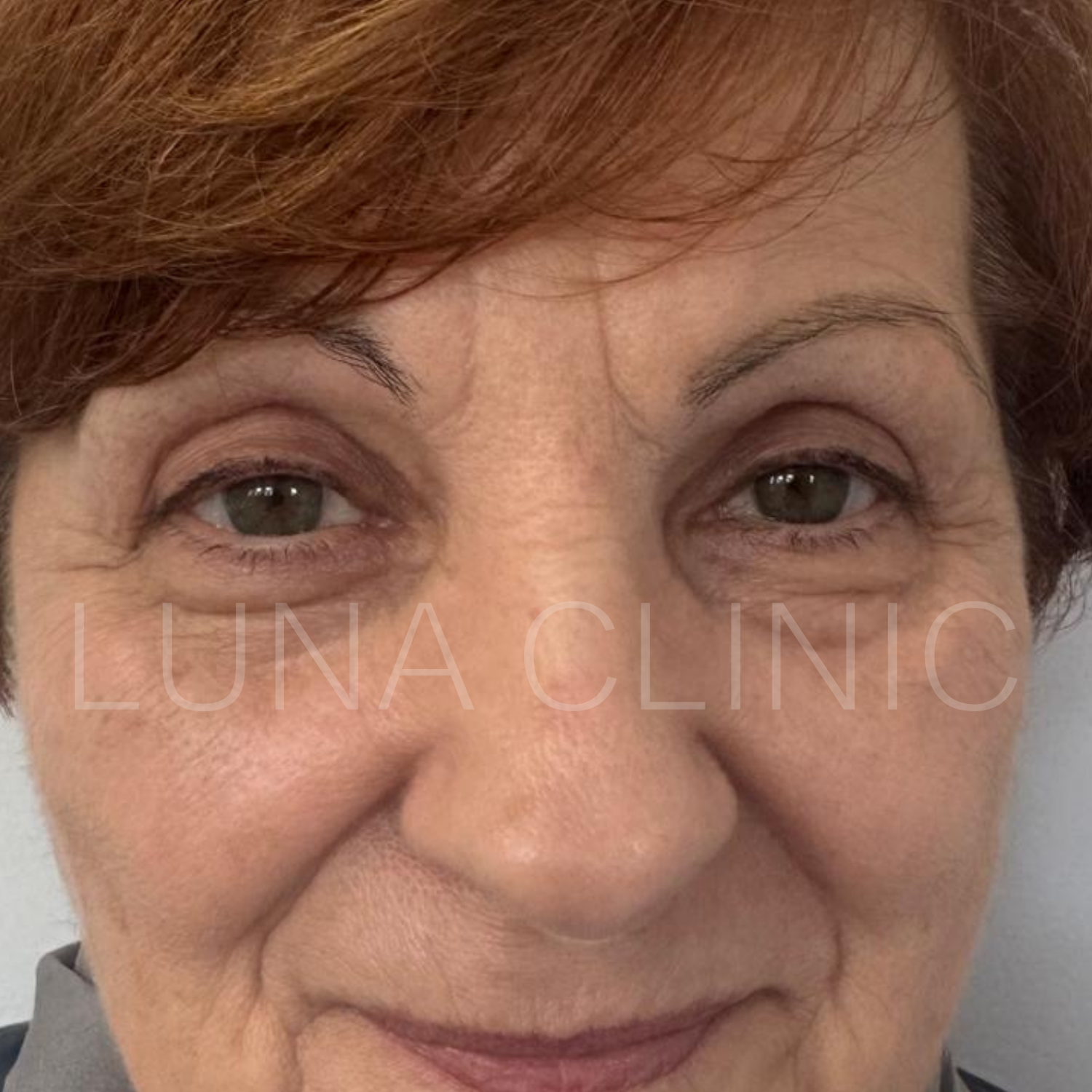
7 days after the procedure


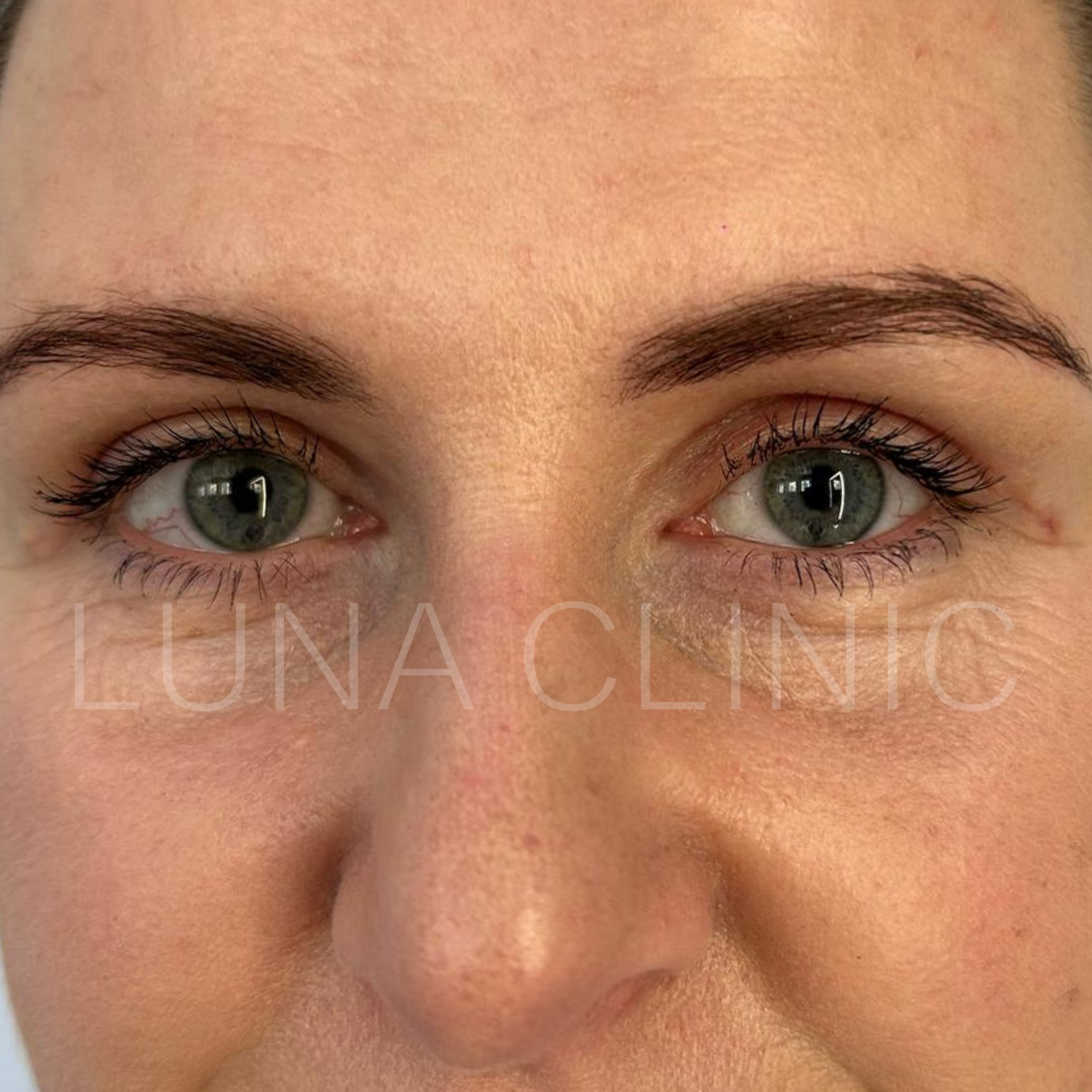
3 months after the procedure
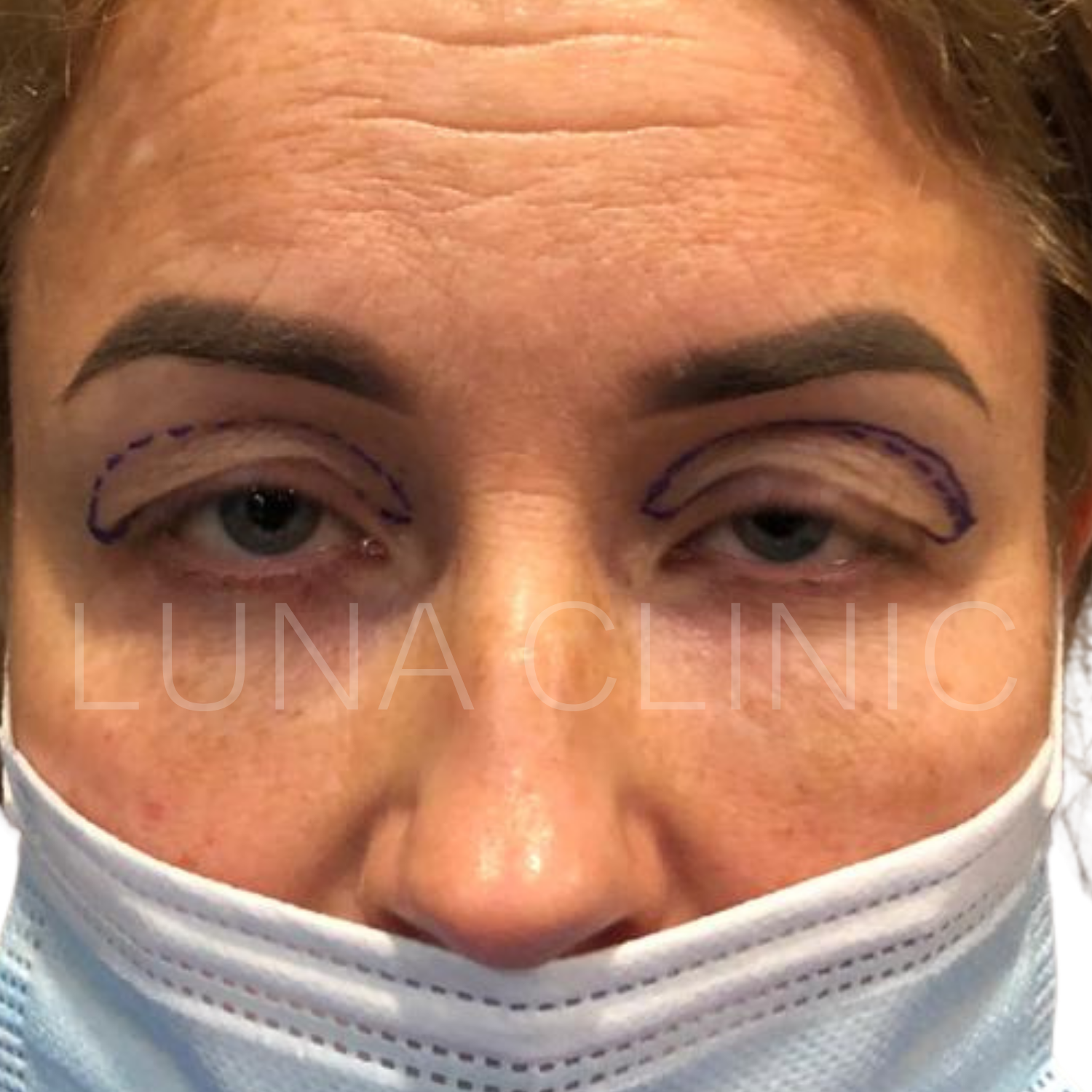

7 days after the procedure


7 days after the procedure


3 months after the procedure
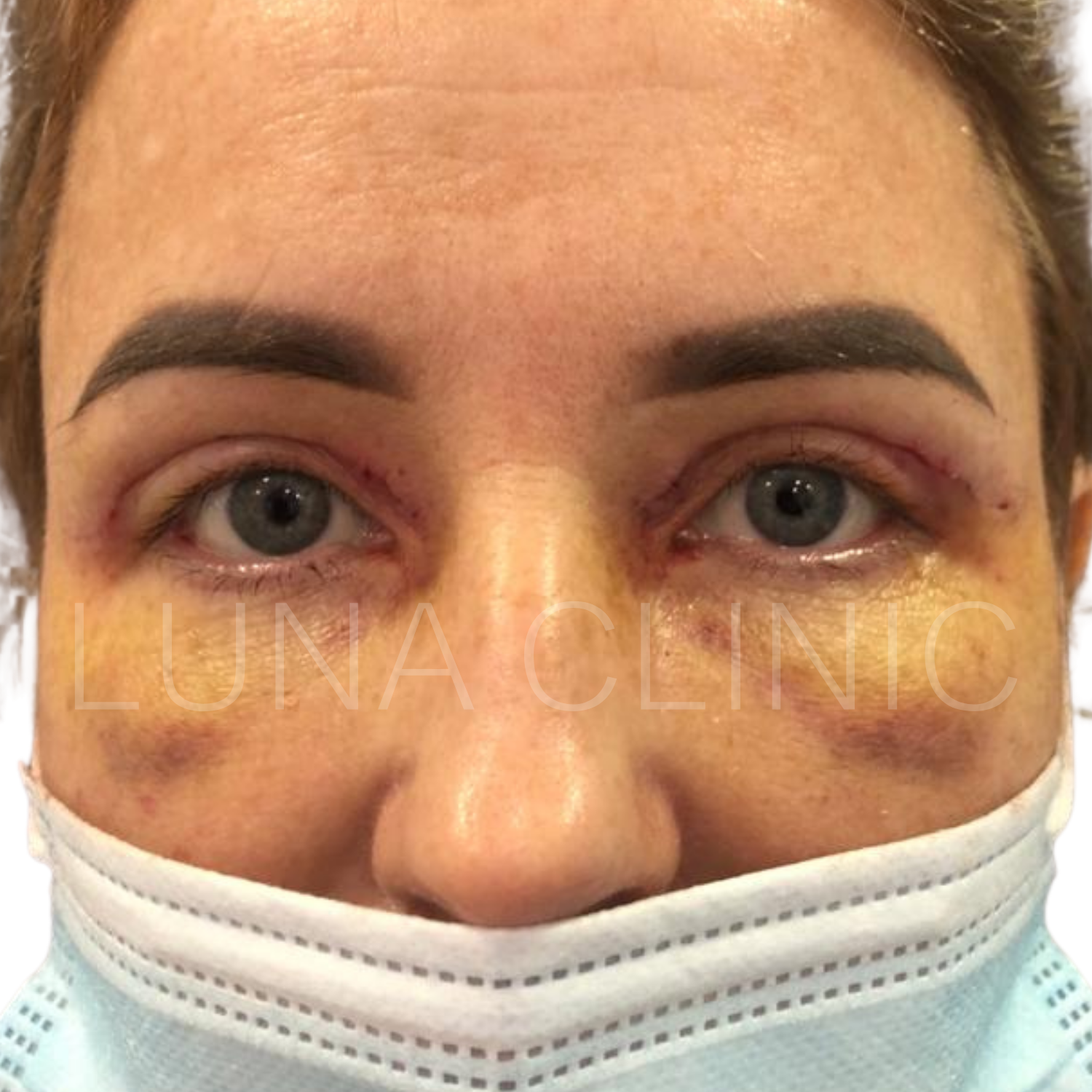

7 days after the procedure
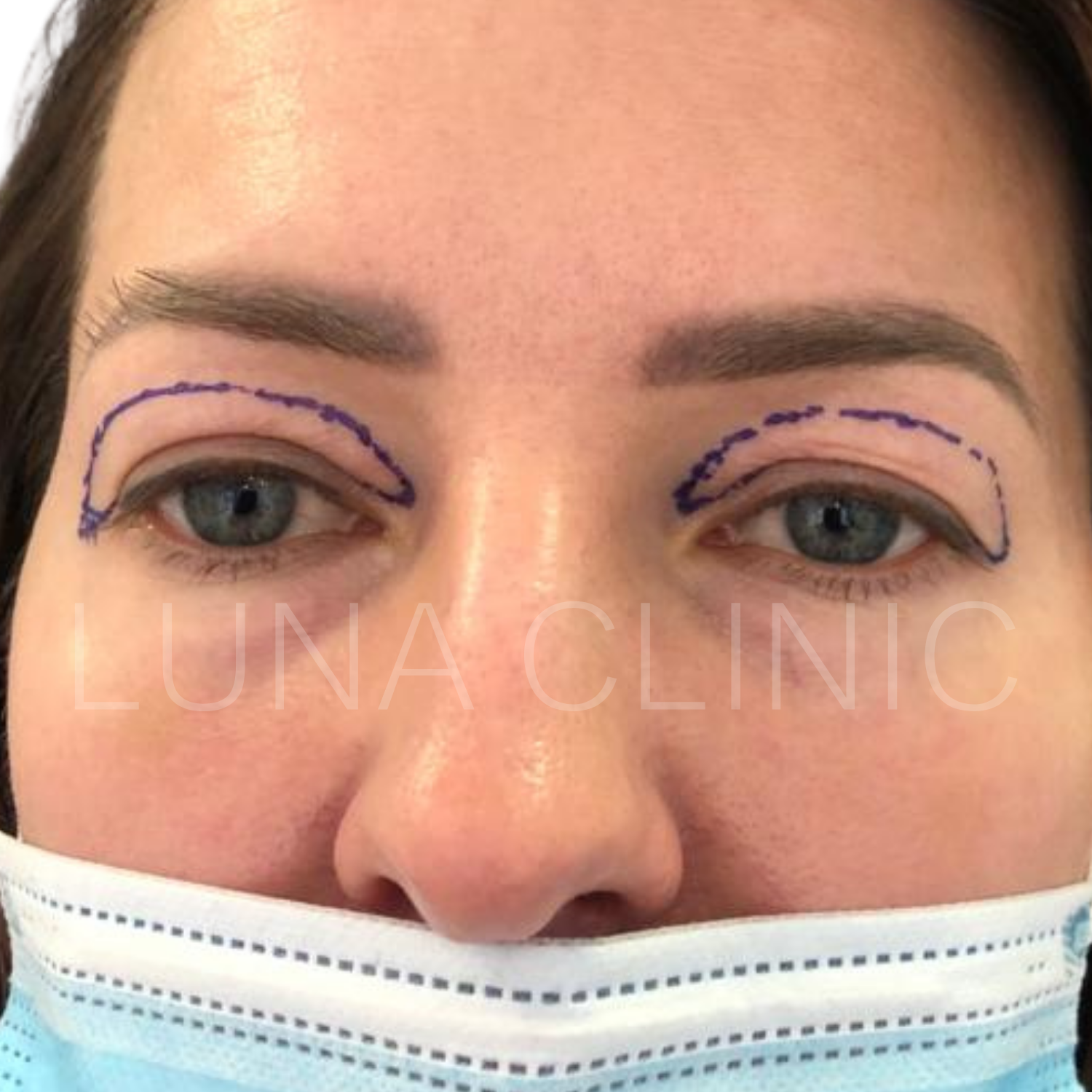

one year after the procedure


one year after the procedure


3 months after the procedure
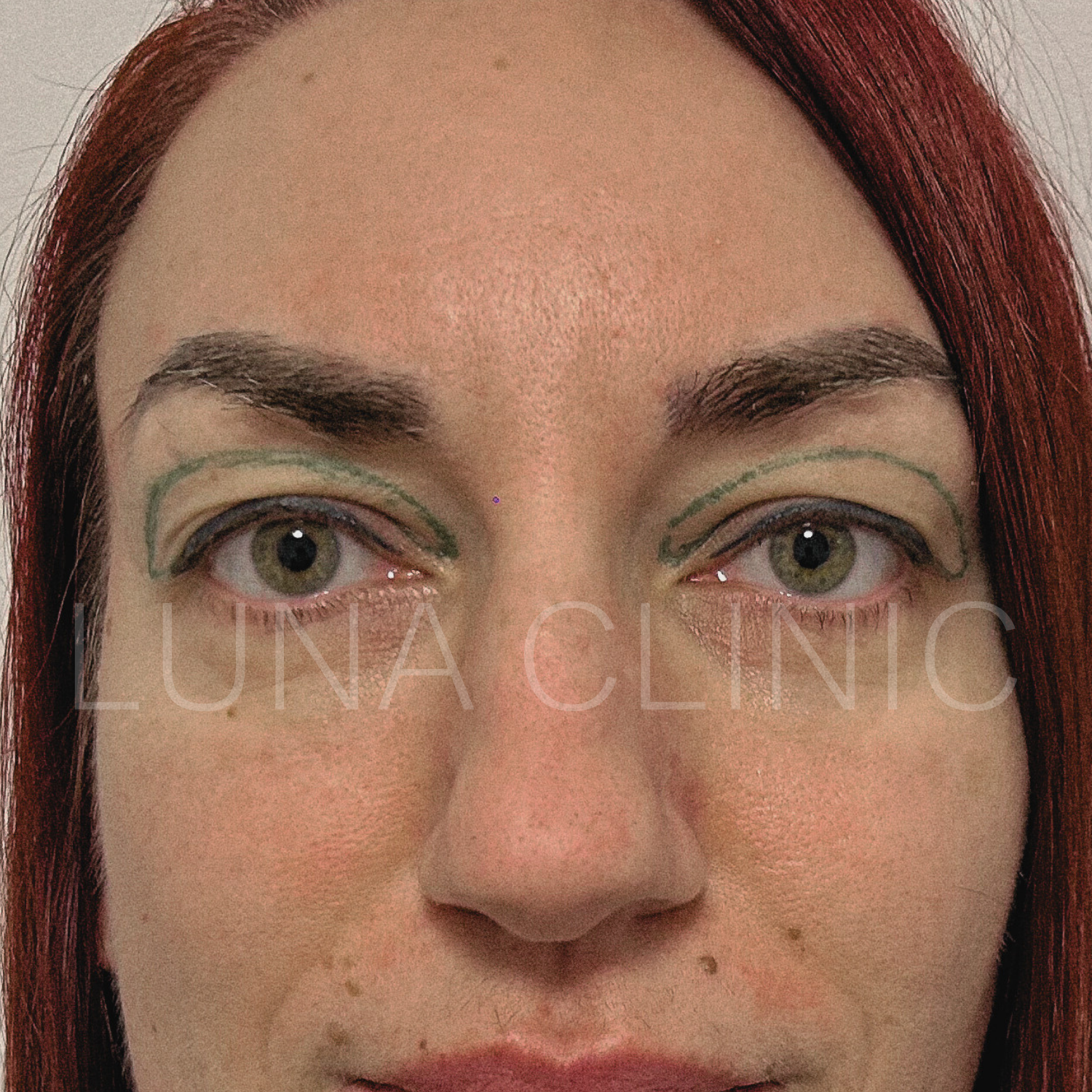

one month after the procedure


one month after the procedure


one month after the procedure


one month after the procedure


one month after the procedure


one month after the procedure


one month after the procedure


one month after the procedure


3 months after the procedure
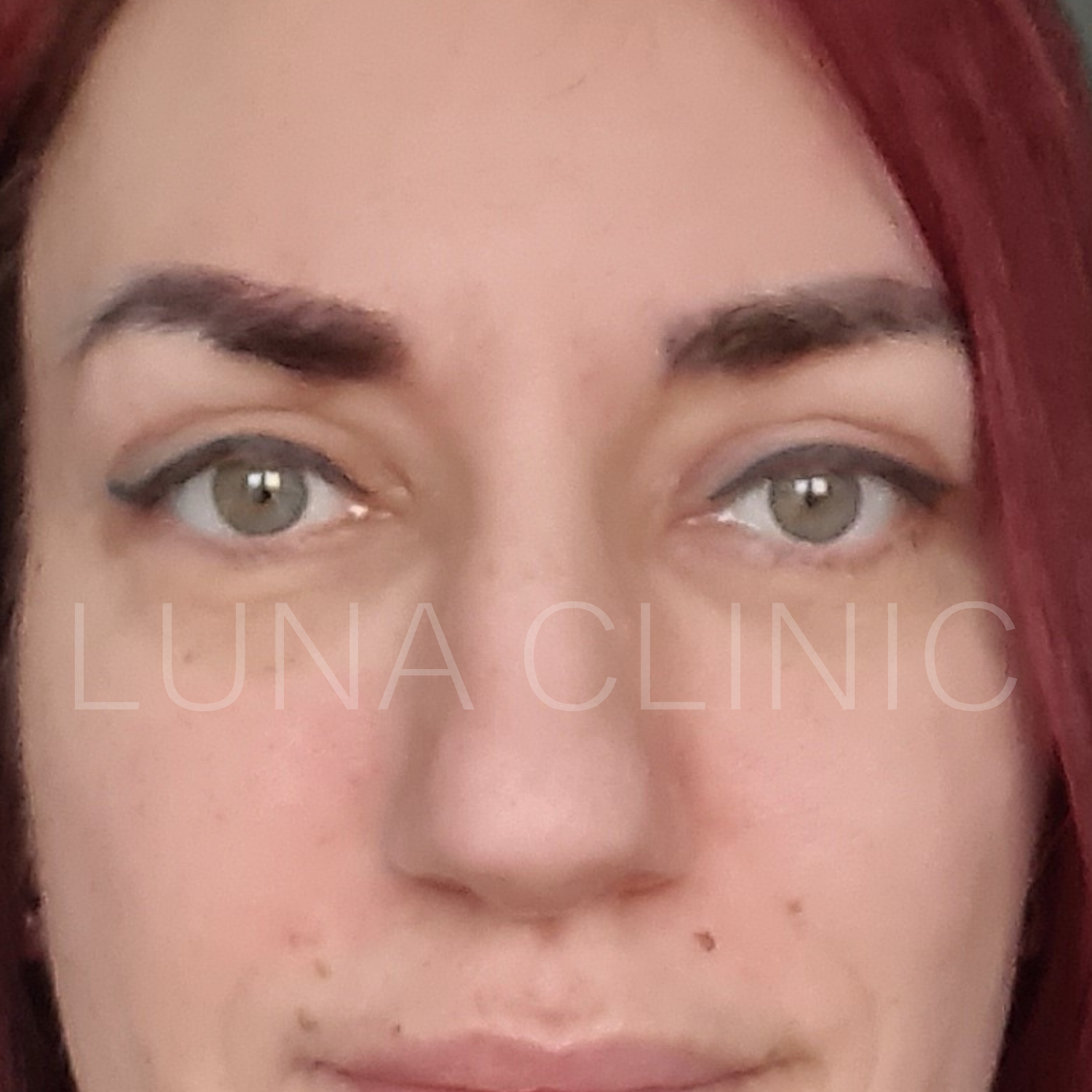

one month after the procedure


one month after the procedure


3 months after the procedure


one month after the procedure


one month after the procedure


one year after the procedure
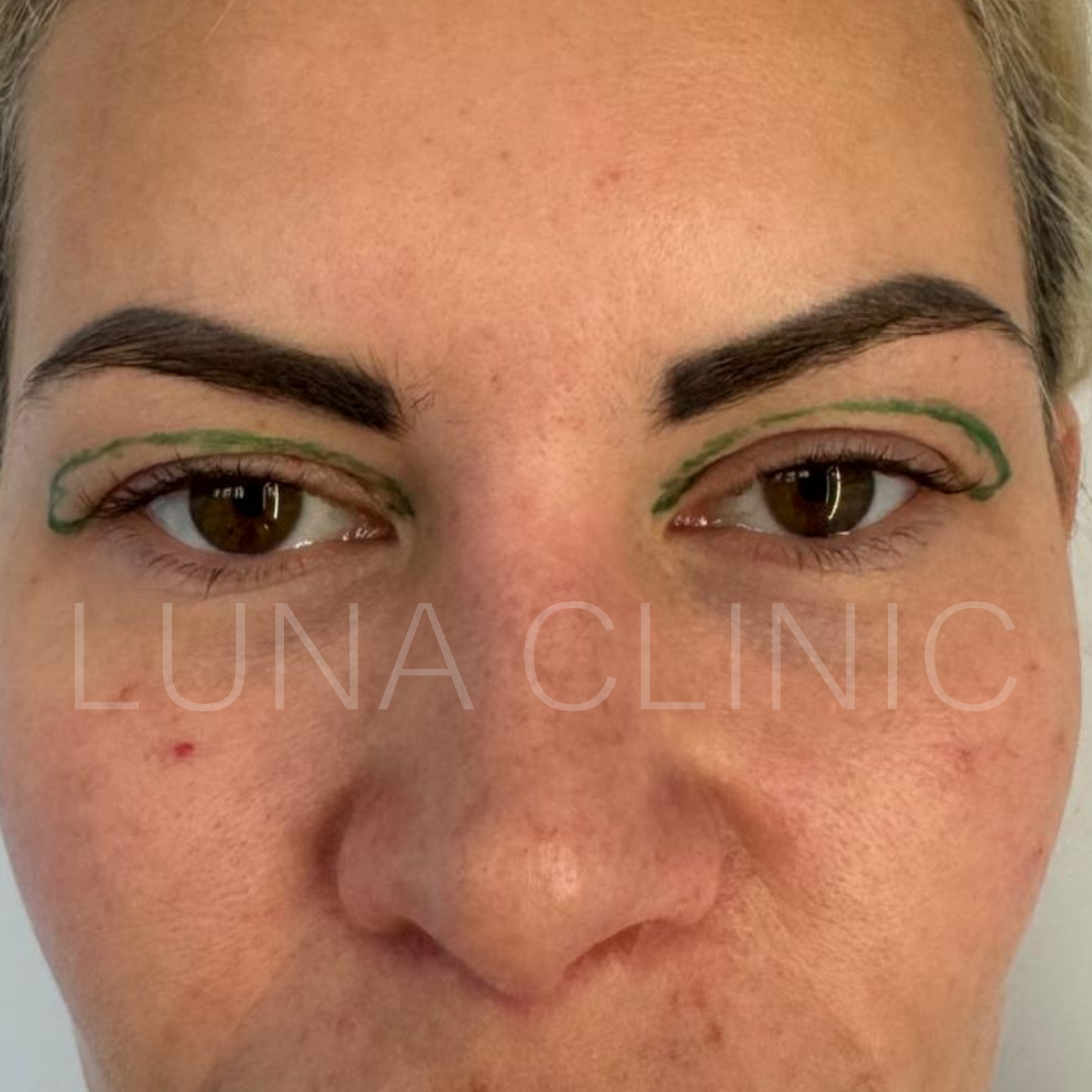

one month after the procedure
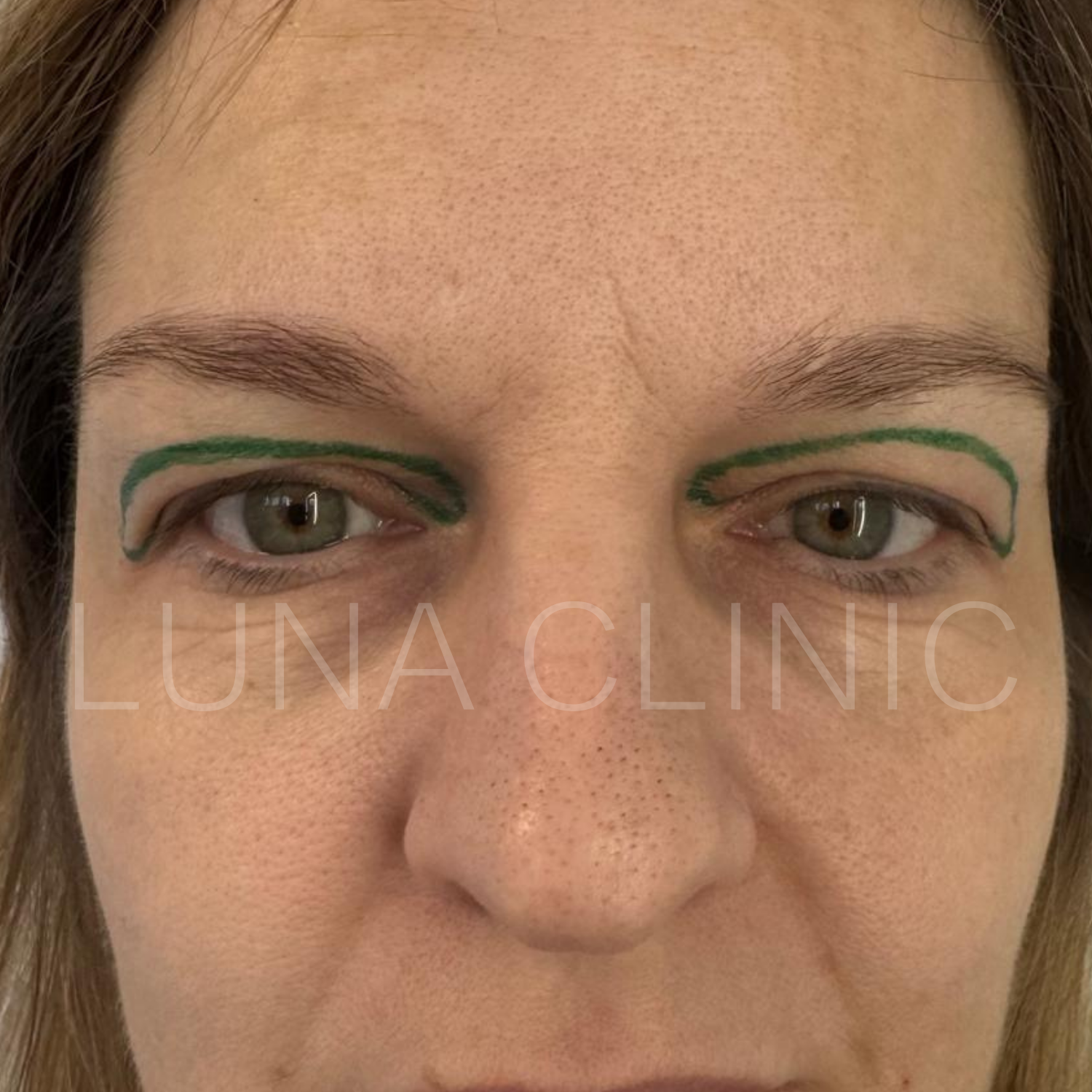

one month after the procedure
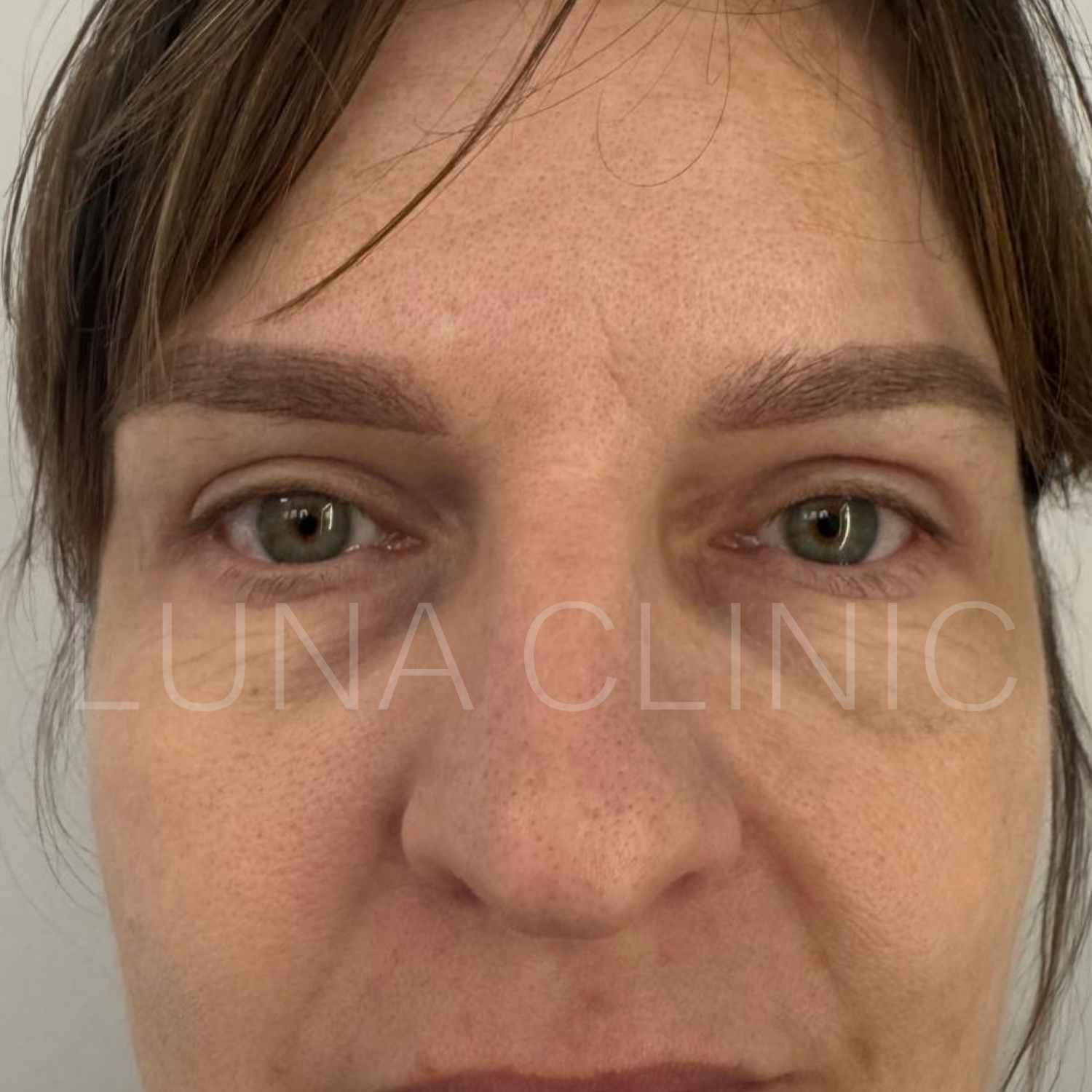
Preparation for the procedure:
Consultation with a plastic surgeon
Discontinuation of anticoagulants at least 14 days prior to the procedure (after consultation)
Avoid alcohol and smoking for at least 14 days prior to the procedure.
On the day of the operation, the skin should be clean and free of makeup.
The course of the procedure
The procedure is performed under general anesthesia by a plastic surgery specialist.
The incisions are made in natural skin creases – in front of and behind the ear, sometimes with an additional incision under the chin (in cases of advanced neck sagging).
The SMAS (superficial musculoaponeurotic system) layer is precisely tightened and lifted.
Excess skin is removed and the incision lines are closed with great care to ensure aesthetic scarring.
The whole process usually takes about 2–3 hours.
The patient remains under the care of the clinic – usually 1 day of hospitalization.
Recovery and post-treatment recommendations:
Swelling and bruising usually subside within 7–14 days.
The stitches are removed after 5–7 days.
Protect scars from the sun for at least 6 months.
We recommend cool compresses during the first few days after the procedure.
Avoid physical exertion for about 2 weeks
Use of preparations supporting scar maturation after complete healing
Possible complications and risks:
Hematoma or bleeding requiring drainage
Infection requiring antibiotic therapy
Transient or rarely persistent sensory disturbances in the face or auricle
Hypertrophic or discolored scars – minimized thanks to precise suturing techniques
Asymmetry requiring correction
Prolonged swelling or bruising
Unsatisfactory aesthetic result requiring possible reoperation
Frequently asked questions
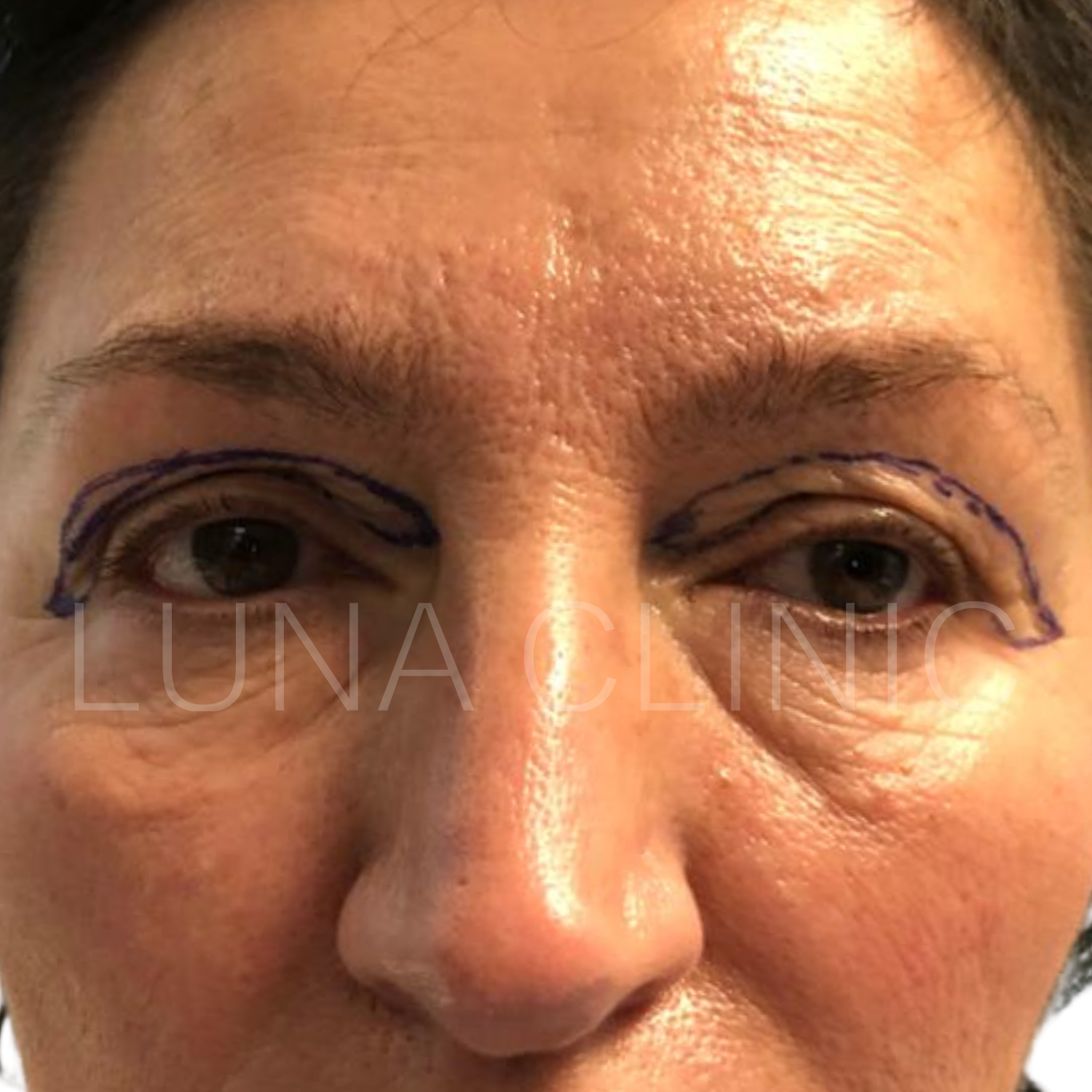
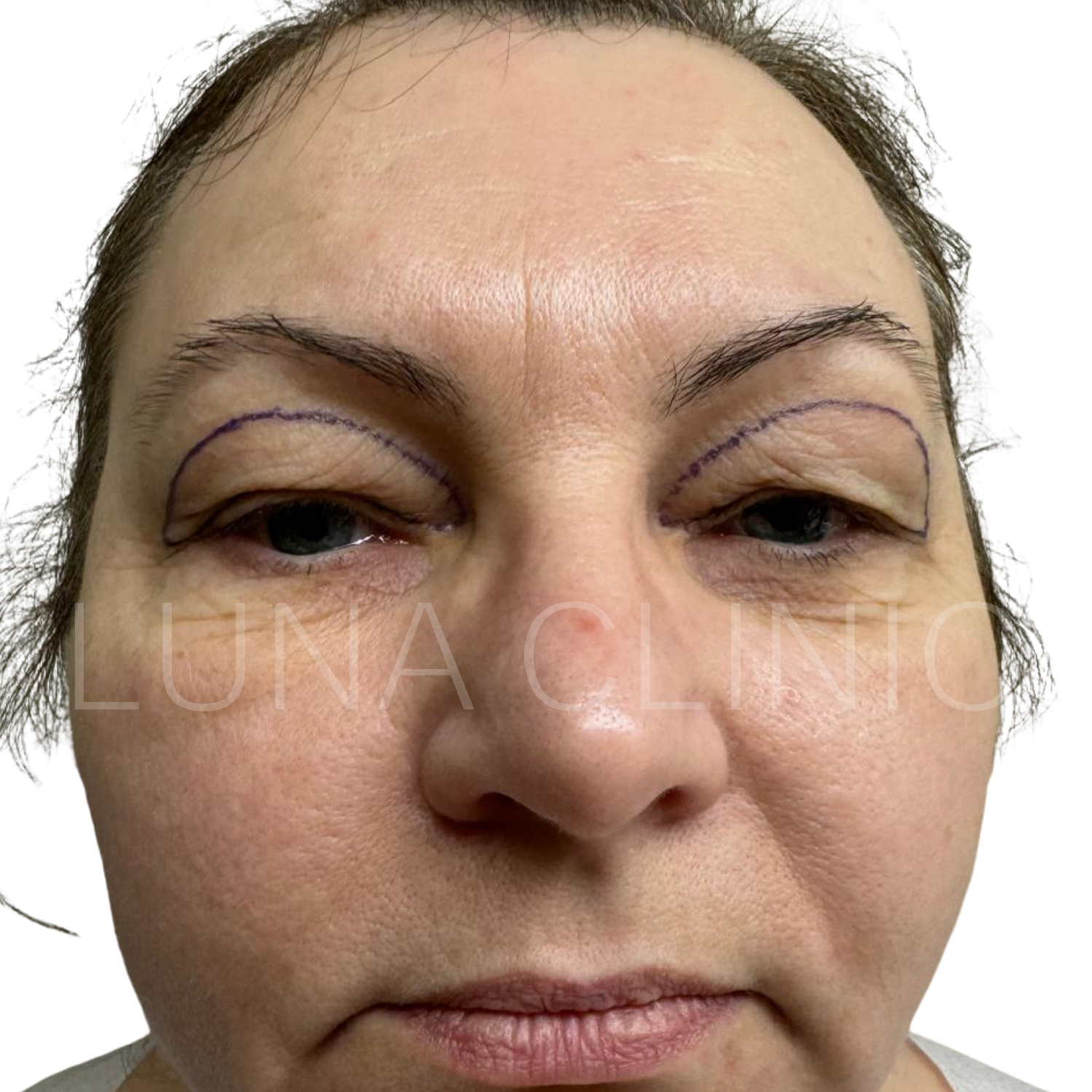
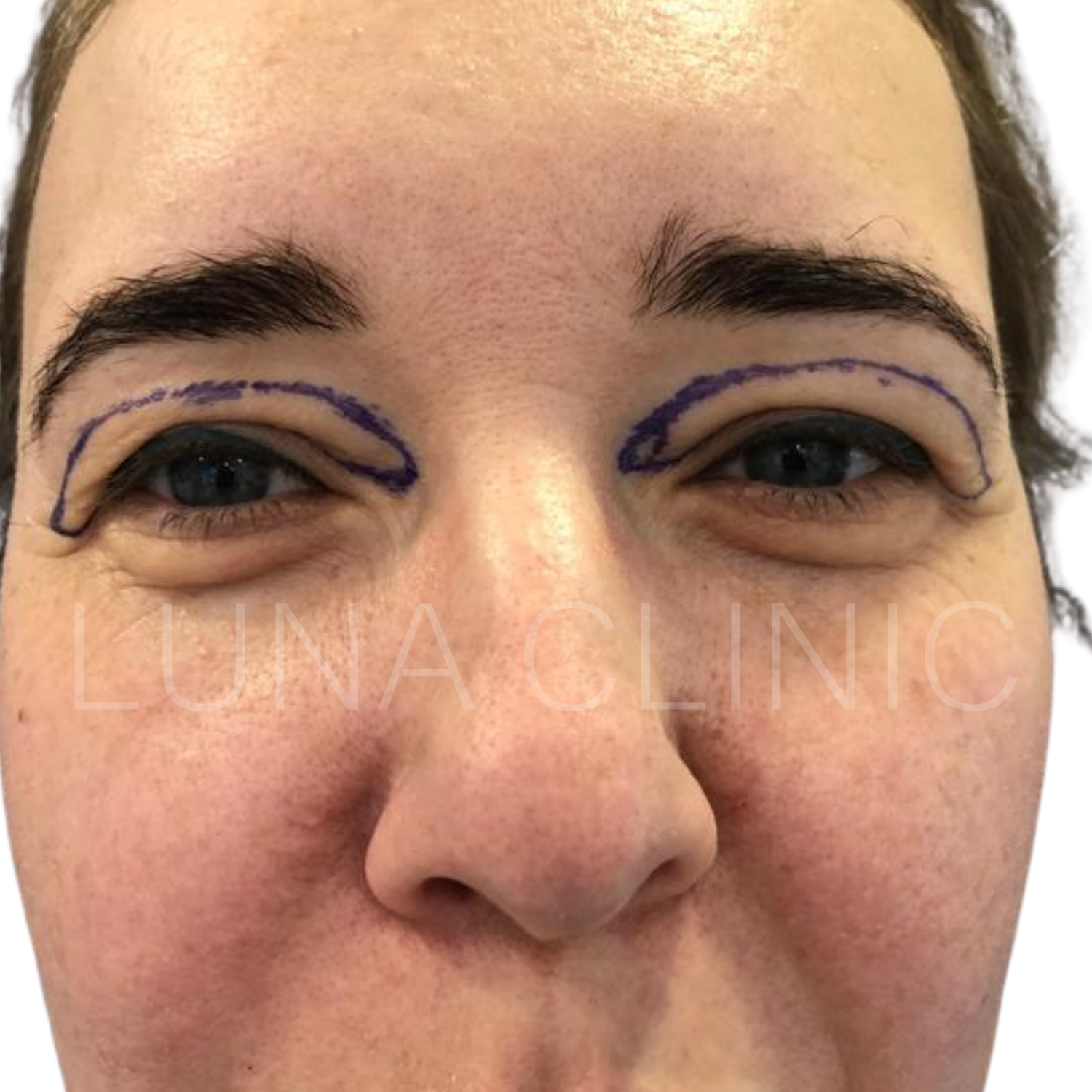
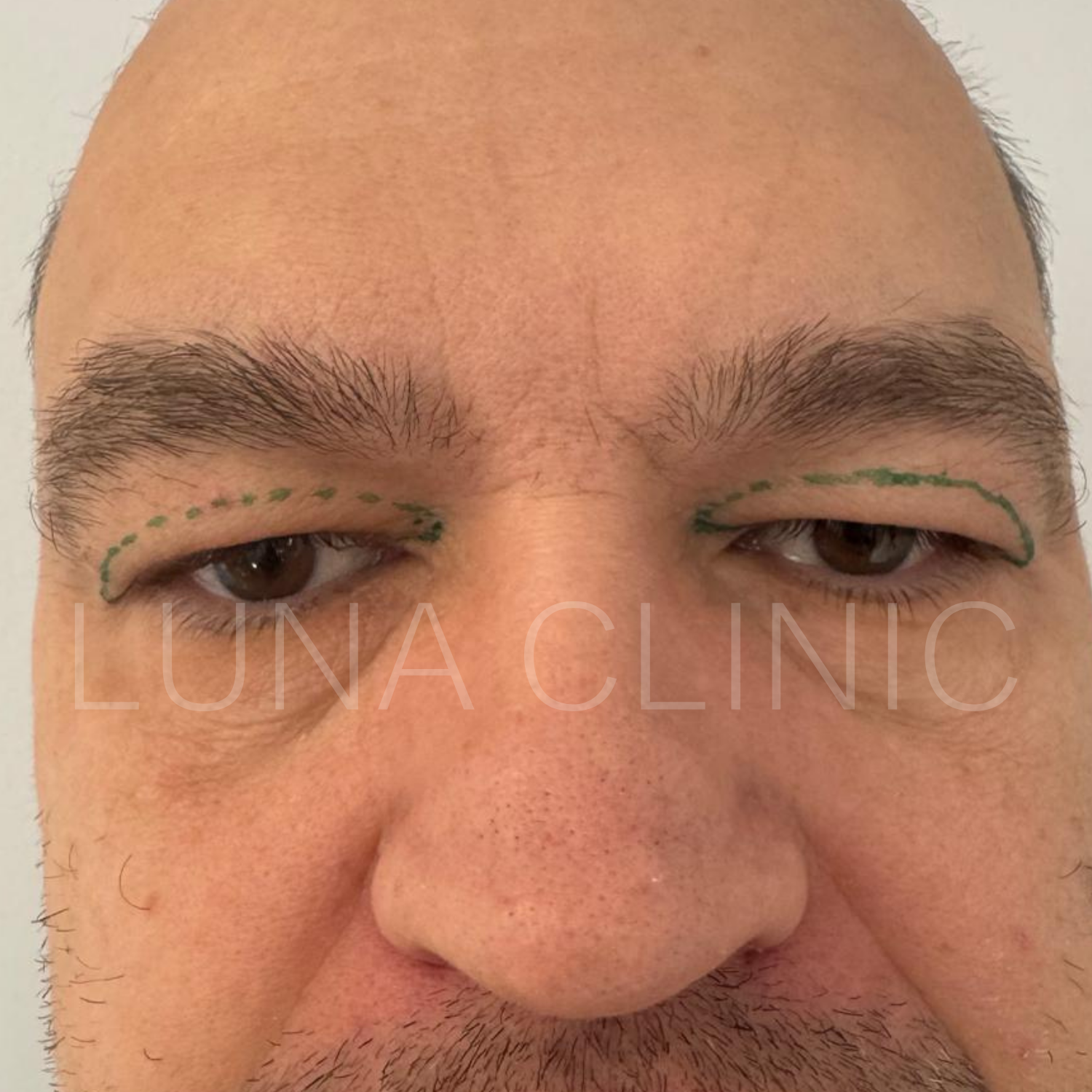
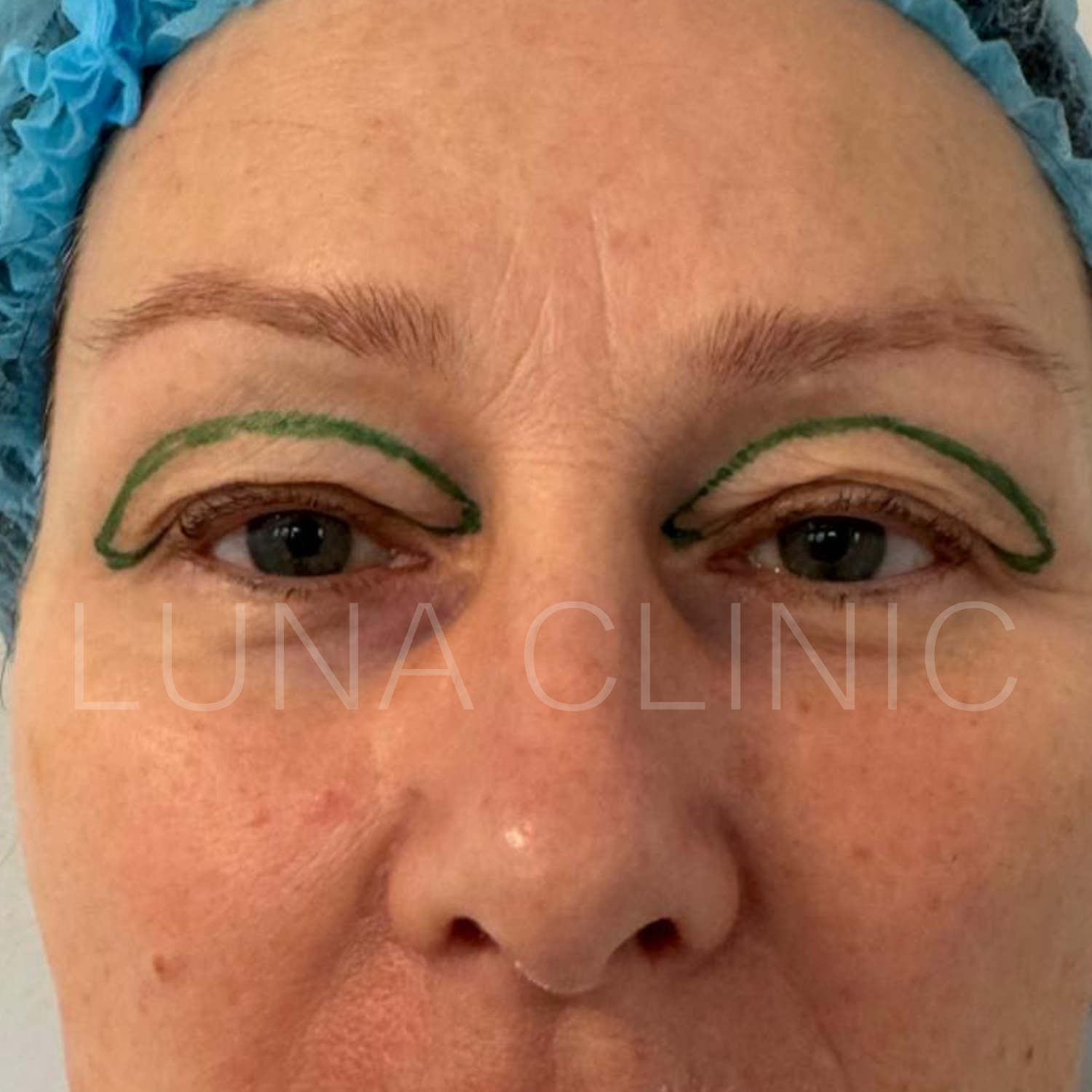
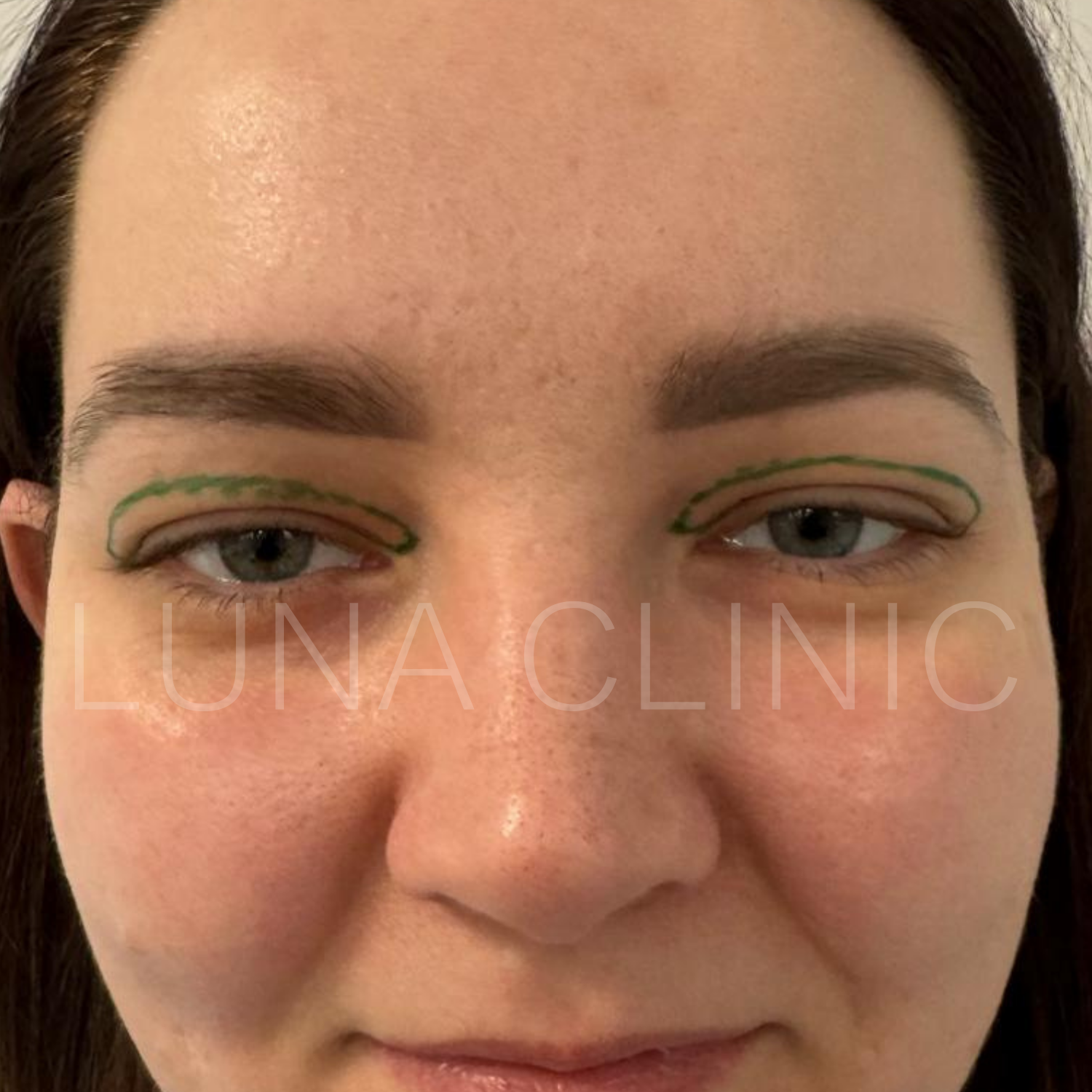
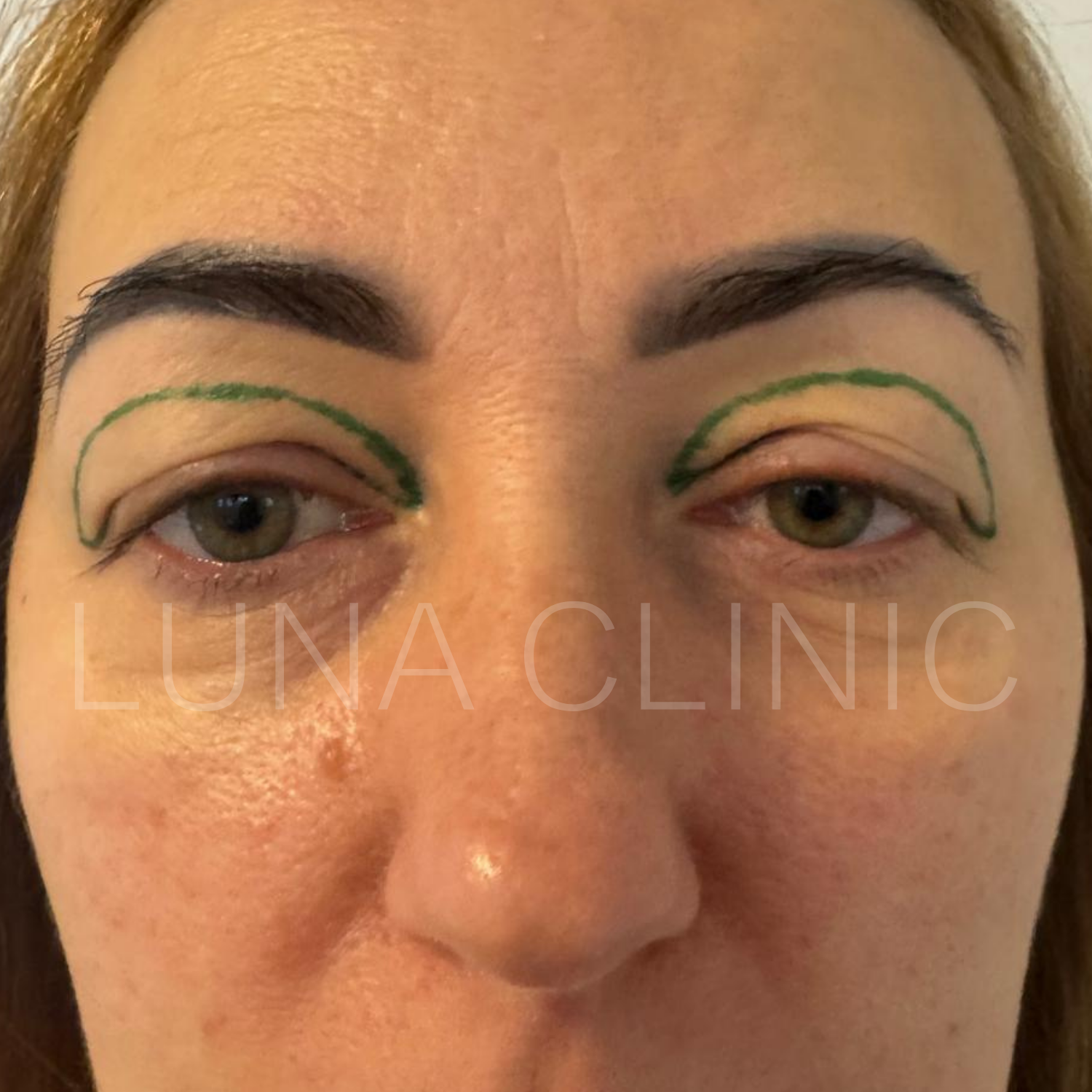
Our patients before surgery
Local anesthesia effectively eliminates pain during the procedure. After the operation, slight discomfort is possible, which can be alleviated with painkillers.
Yes – the scar is thin and hidden in the natural crease of the eyelid, usually barely visible after healing.
Most patients return to office work after about 7–10 days.
The effect lasts for many years, although the skin aging process continues naturally.
Yes, if necessary, the procedure can be repeated after several years.
Usually after 10–14 days, once the wounds have healed and the stitches have been removed.
We usually perform the procedure under local anesthesia, but at the patient's request, we can also perform it under general anesthesia.
Lower eyelids often look better after upper eyelid surgery alone, as fat infiltration from above is reduced. We plan lower eyelid correction in stages – the decision is usually made about a month after upper eyelid surgery, if the problem persists.
After approximately 2–3 weeks of light activity, intense exercise after consulting with your surgeon.
Yes – usually from the next day, if there is no swelling that significantly limits vision.
Do you have any questions?
Get in touch with us
Władysława Syrokomli 46,
51-141 Wrocław
Mon-Fri: 09:00 - 17:00
Saturday - Sunday: closed
Call :+48 666 850 666