

Skin Changes
Indications
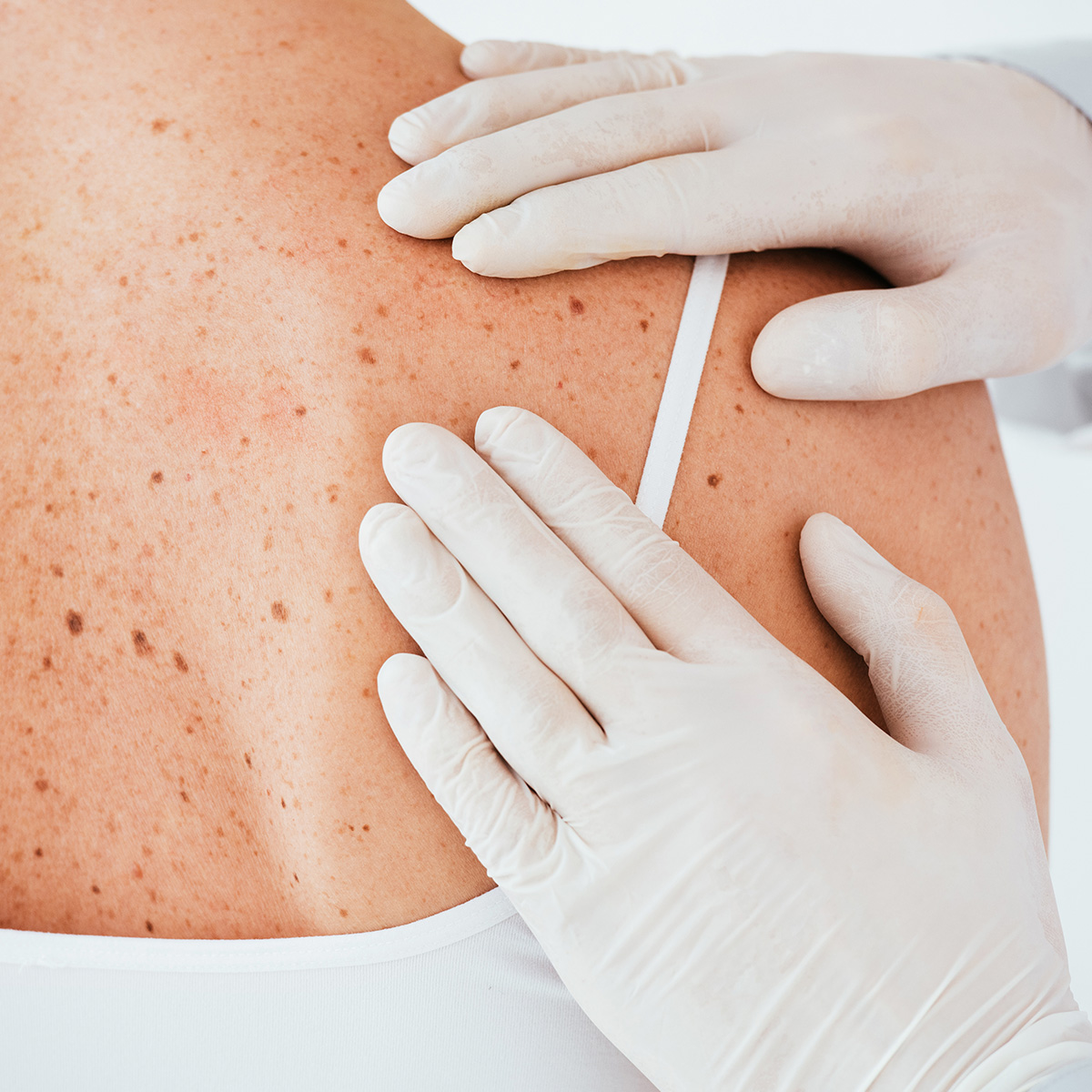
Moles that change shape, size, color, or start to itch or bleed are an indication for a dermatoscopic examination. If left undiagnosed, they can potentially develop into skin cancer, such as melanoma. Early diagnosis allows for quick removal of suspicious lesions and avoidance of complications.
Benign lesions, such as fibromas or viral warts, can cause mechanical discomfort (chafing), infections, or aesthetic problems. Rapid growth, pain, or frequent irritation are indications for their removal. Treatments such as cryotherapy, electrocoagulation, or surgical removal are effective and safe.
Broken capillaries or vascular lesions visible on the face, legs, or other parts of the body may be an indication for treatment. If the lesions are visible, cause discomfort, or bleed, it is worth considering laser therapy or sclerotherapy. Treatment helps improve the appearance of the skin and prevents further problems.
Lesions that are asymmetrical, have irregular edges, vary in color, or grow rapidly require urgent dermatological diagnosis. These may be precancerous conditions (solar keratosis) or cancers (basal cell carcinoma, melanoma). Rapid growth of the lesion or the appearance of pain, itching, or ulceration are indications for intervention.
Types of skin changes
Skin changes can take many forms, such as spots, papules, blisters, pustules, or nodules. They can be the result of inflammation, infection, allergies, or other dermatological conditions. Some of them, such as moles or warts, are benign, while others, such as irregularly shaped pigmented lesions, may require prompt diagnosis to rule out skin cancer.
Diagnosis of changes
The assessment of skin lesions begins with a detailed dermatological examination, including dermatoscopy, which allows for a precise analysis of the structure of the lesion. If necessary, the doctor may order additional tests, such as a skin biopsy, allergy tests, or laboratory tests. Early diagnosis is crucial, especially in the case of lesions that may be a symptom of more serious systemic diseases.
Treatment
The treatment of skin lesions depends on their nature and cause. In the case of infections, topical or oral antibacterial, antifungal, or antiviral medications are used. Allergic skin lesions require antihistamine therapy and avoidance of allergens, while inflammatory lesions such as eczema or psoriasis are often treated with steroid preparations or calcineurin inhibitors. The therapy is supported by appropriate skin care, which soothes irritation and promotes regeneration. Regular visits to a dermatologist help to monitor and adjust treatment to the individual needs of the patient.
Frequently asked questions
Our patients before surgery
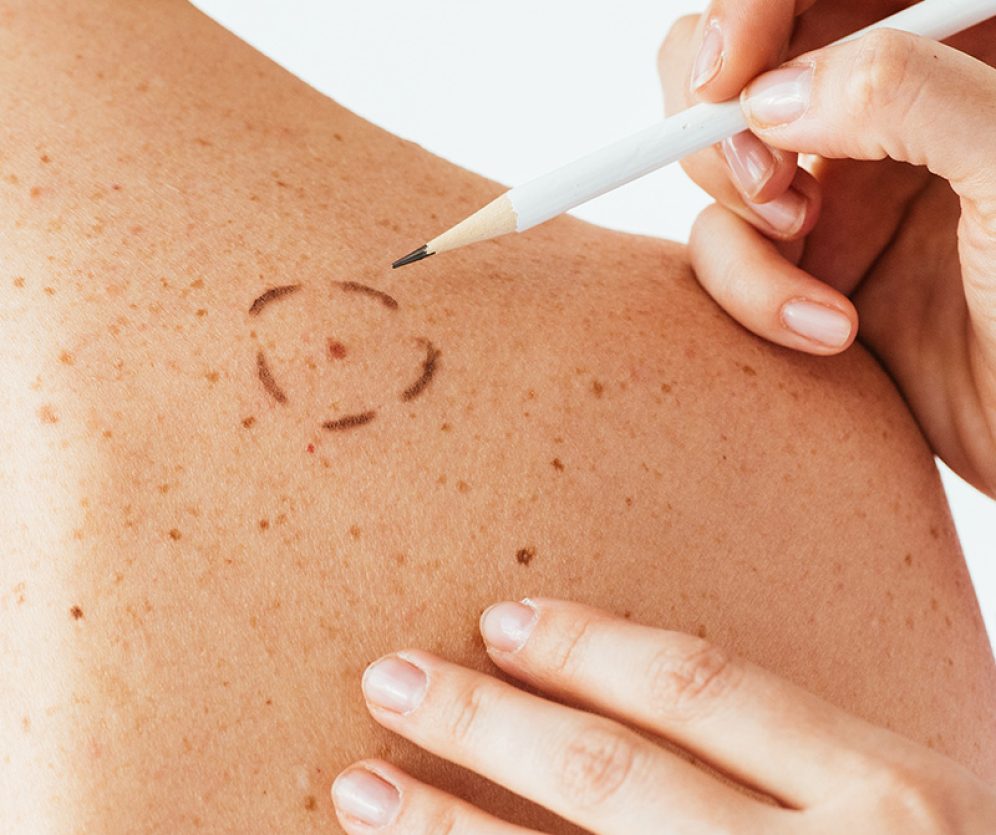
The procedure for removing skin lesions involves the precise removal of lesions such as warts, fibromas, moles, or other skin lesions using an appropriate method, e.g., laser, surgical, or electrocoagulation. The procedure is tailored to the type of lesion and its location to ensure safety and minimize the risk of complications.
Most skin lesion removal procedures are painless thanks to the use of local anesthesia. For minor lesions such as warts, patients may only feel a slight tingling or burning sensation. The doctor always discusses possible sensations with the patient before starting the procedure.
The main indications for removing skin lesions are suspicion of malignancy, aesthetic discomfort, location causing mechanical irritation (e.g., by clothing), and the desire to improve the appearance of the skin. A dermatologist will assess whether a particular lesion needs to be removed.
After the procedure, you should take care of the hygiene of the treatment area, avoid irritation, and protect it from the sun by using creams with a high UV filter. Your doctor may also recommend the use of special ointments to accelerate healing. All care recommendations are discussed during the follow-up visit.
Do you have any questions?
Contact us
Władysława Syrokomli 46,
51-141 Wrocław
Mon–Fri: 9:00 AM – 5:00 PM Sat–Sun: Closed
Call :+48 666 850 666