

Implant Replacement
Breast implant replacement
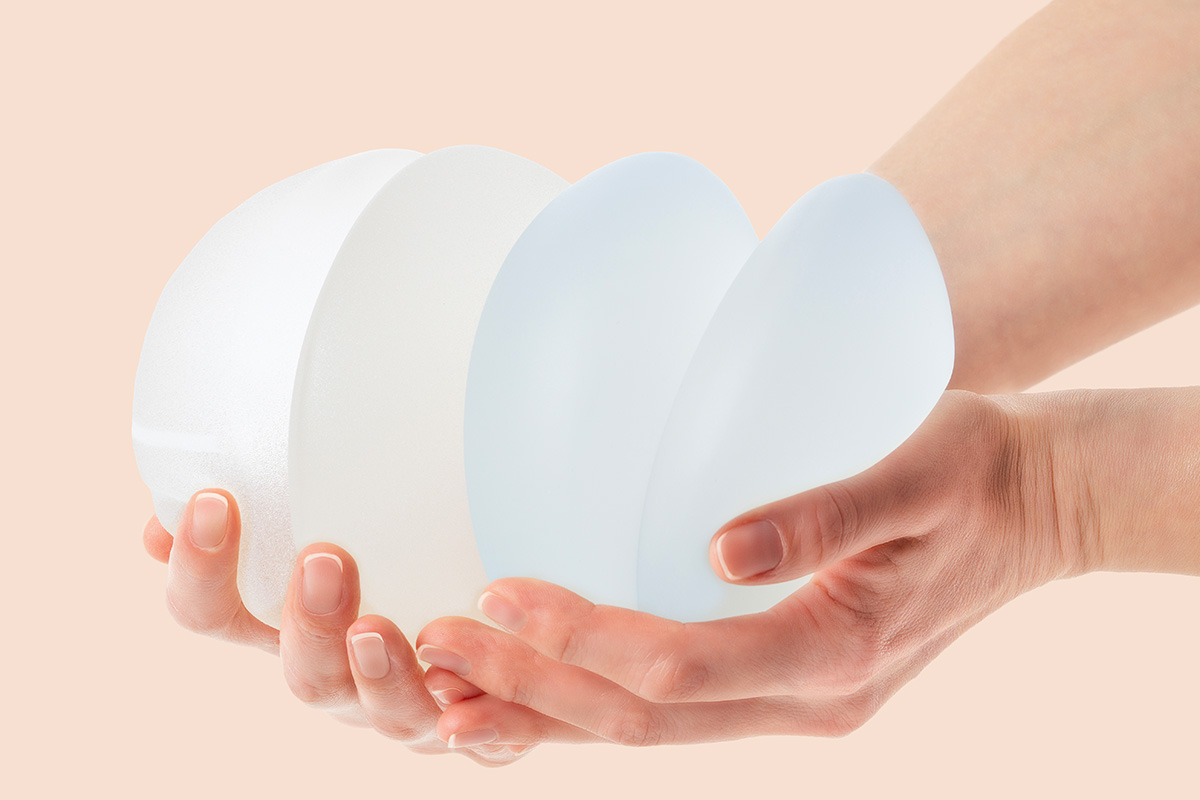
- Aging implants (10–15 years after the initial procedure)
- Damage to the implant (e.g., fracture, leak)
- Thickening of the fibrous capsule (encapsulation)
- Asymmetry or unsatisfactory results of the initial augmentation
- Change in the patient's aesthetic preferences (desire to enlarge, reduce, or change the shape of the breasts)
- Breast ptosis requiring lifting and simultaneous implant replacement
- Pregnancy and breastfeeding
- Active infection or inflammation in the body
- Uncontrolled chronic diseases (e.g., diabetes, heart disease)
- Allergy to anesthetics
- Unfinished healing process after recent breast surgery
Effects of the treatment
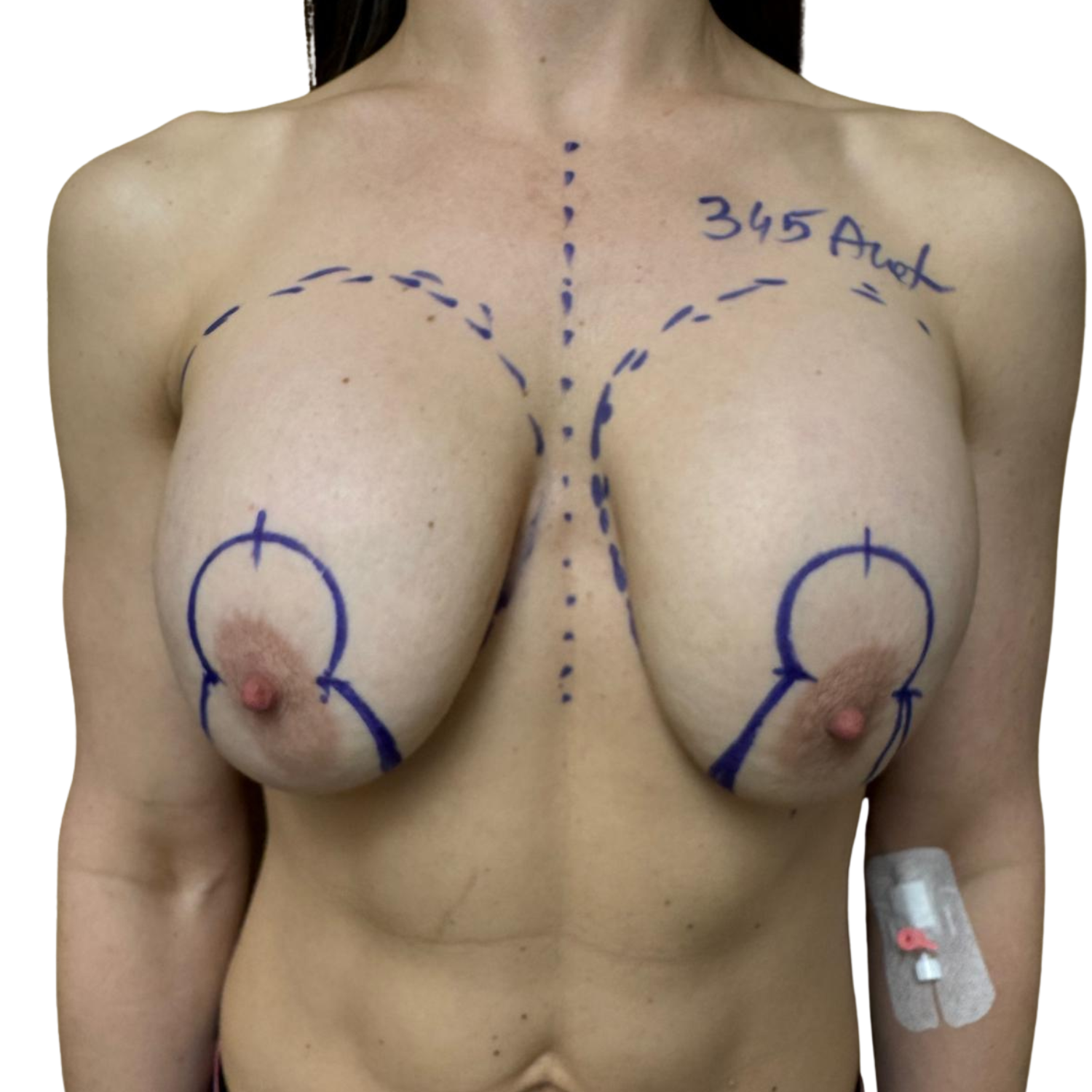
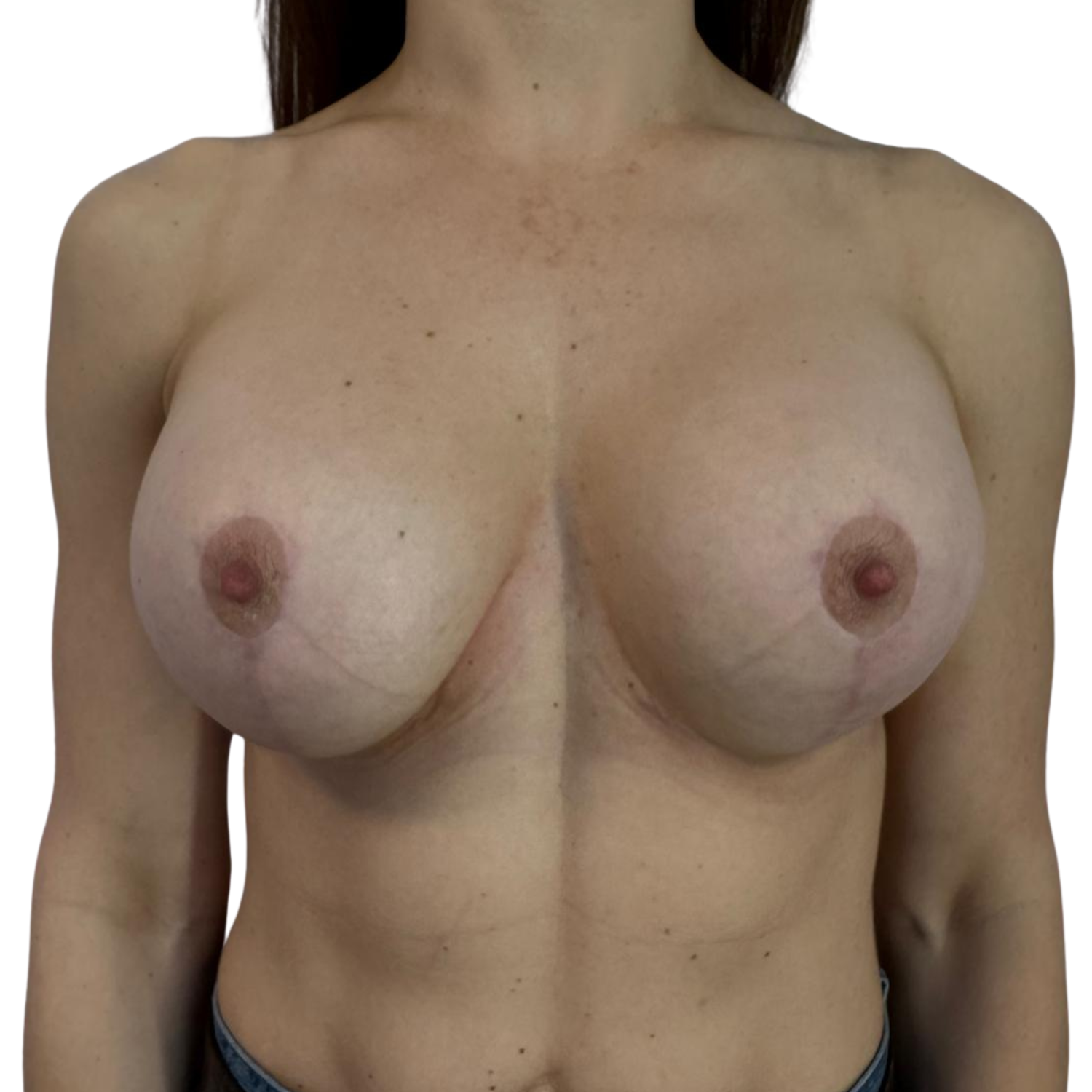
wymiana implantów na antomiczne 345 ml z liftingiem piersi
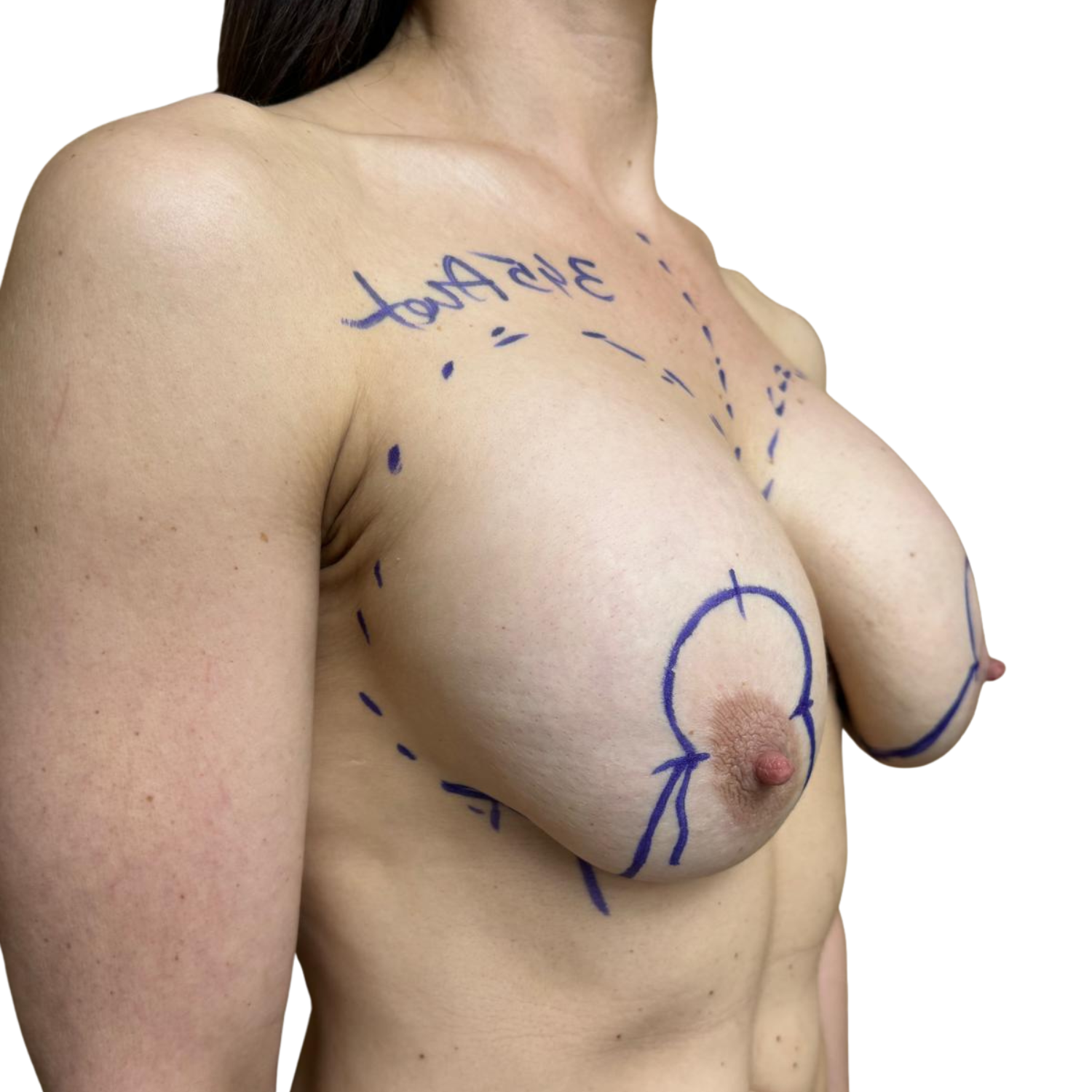
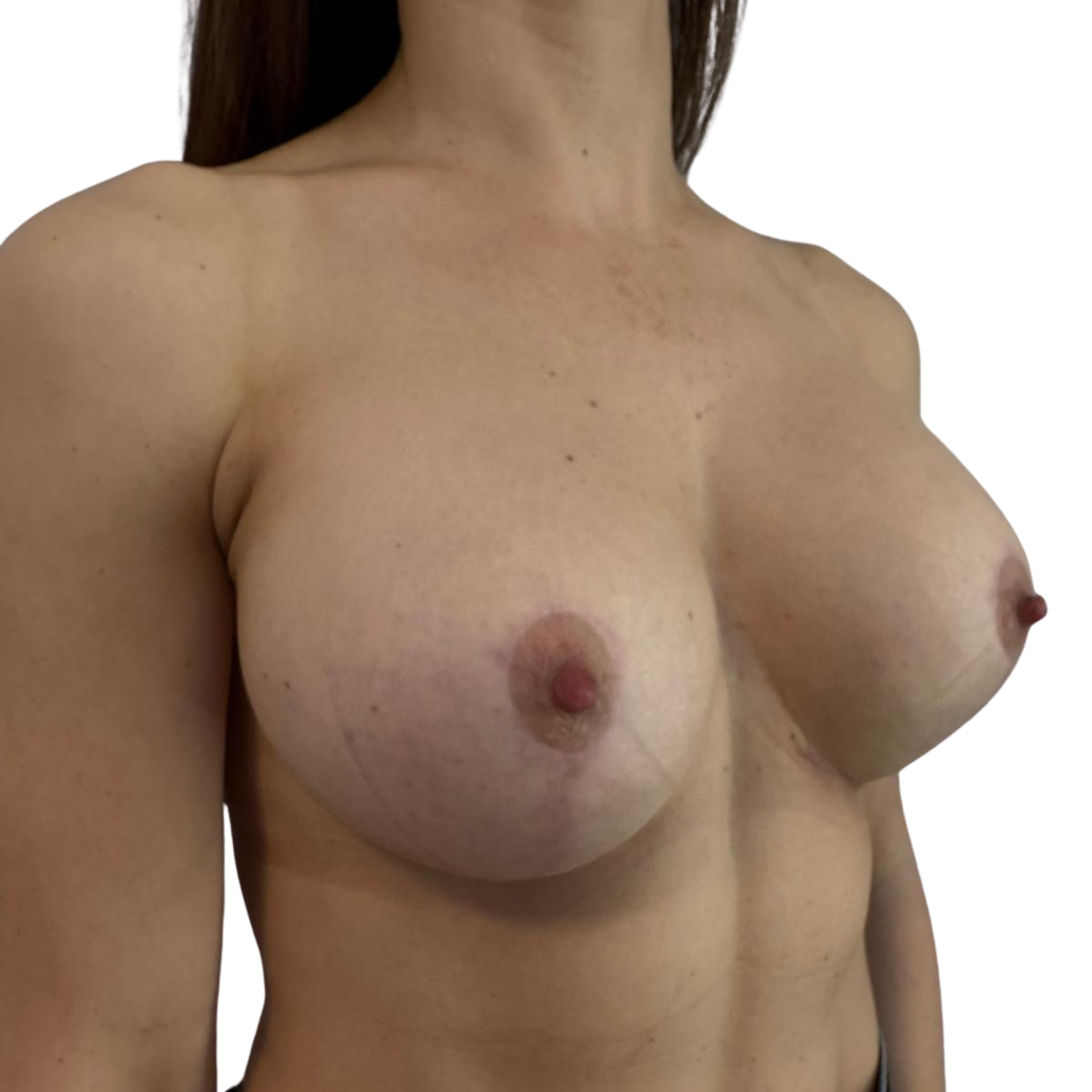
wymiana implantów na antomiczne 345 ml z liftingiem piersi
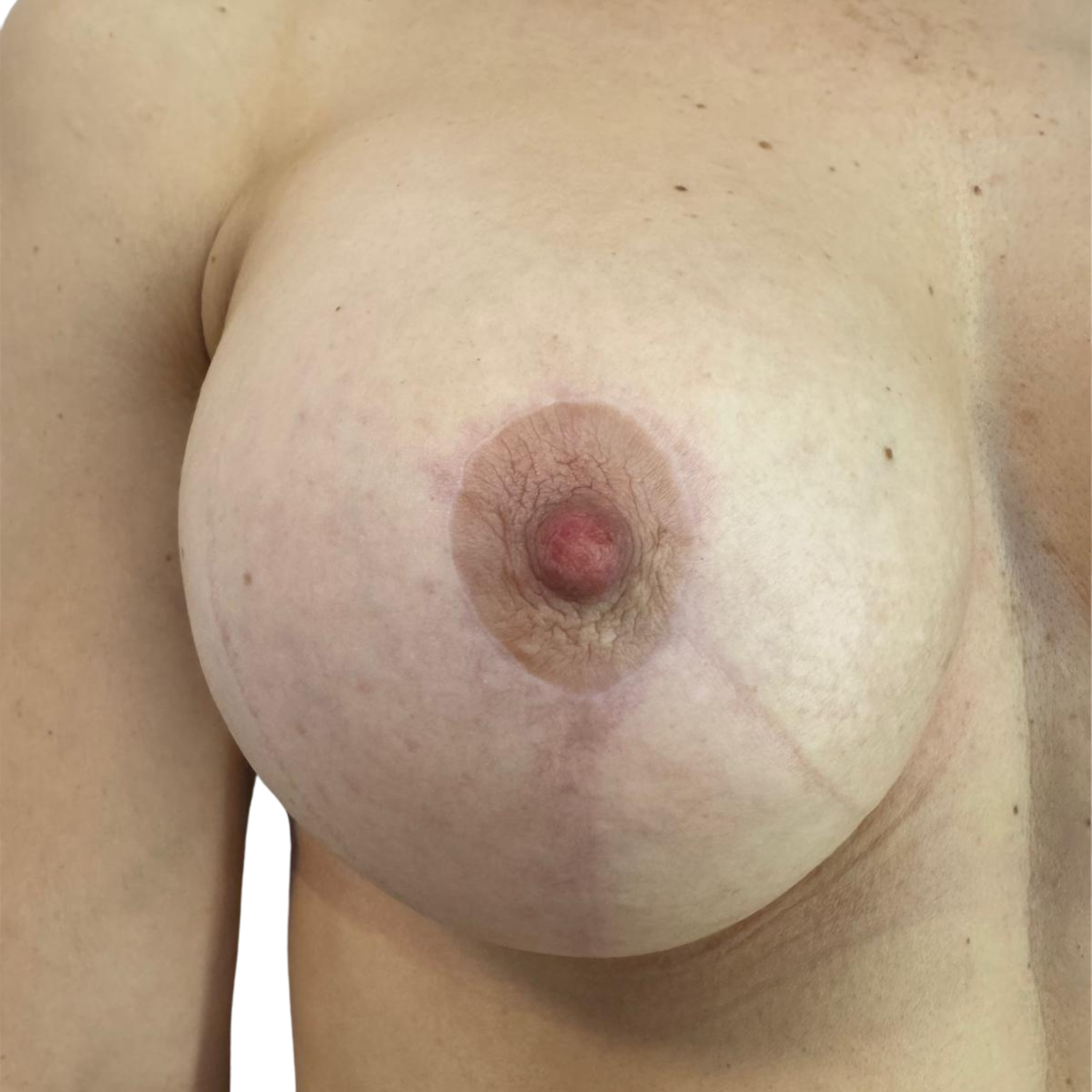
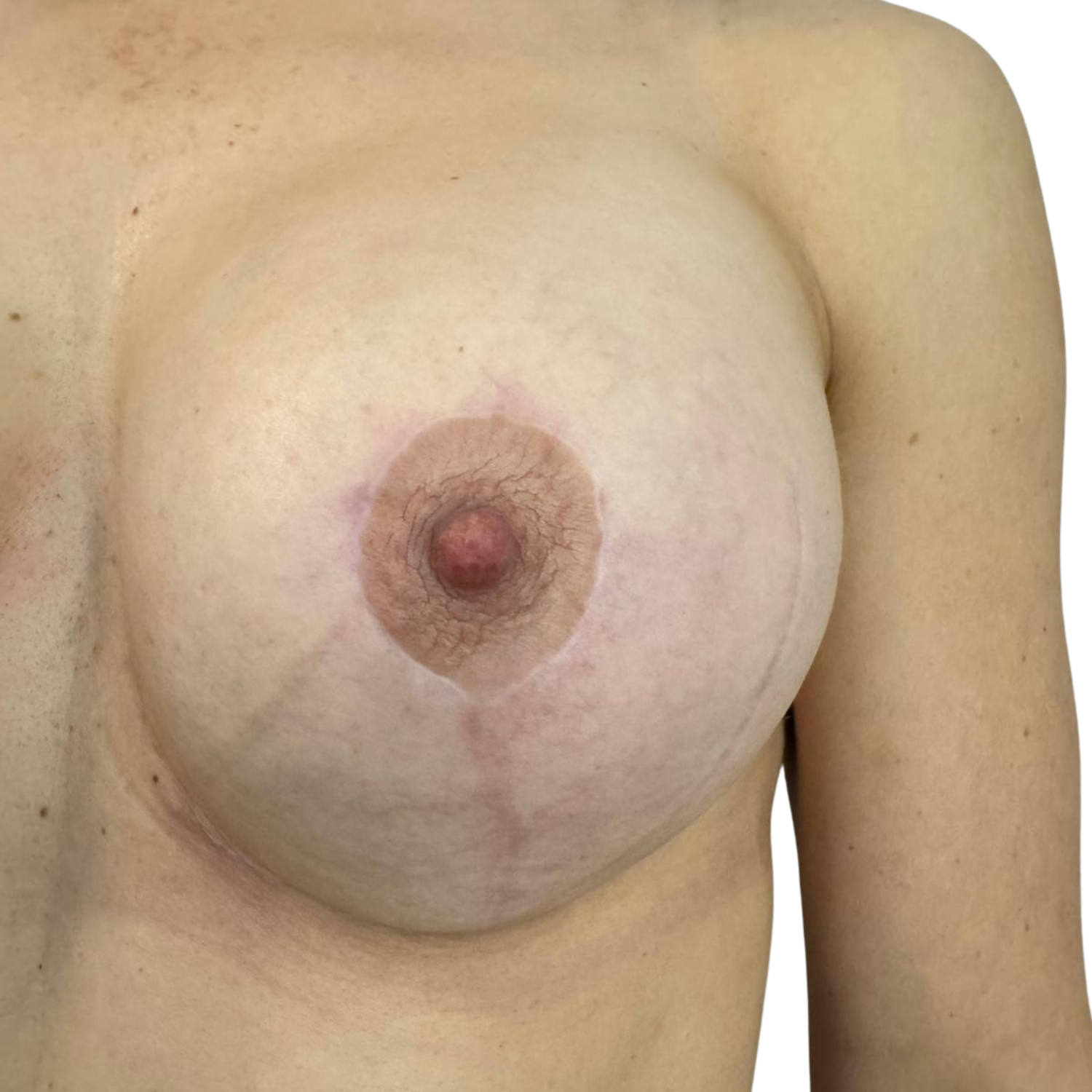
blizny po liftingu piersi
Preparation for the procedure:
Consultation with a plastic surgeon to assess the condition of existing implants and select new ones
Laboratory tests: complete blood count, coagulation profile, electrolytes
Breast imaging tests (ultrasound or MRI, if needed)
Discontinuation of anticoagulants and anti-inflammatory drugs at least 7 days prior to the procedure (after consulting a physician)
Avoid alcohol and smoking for 2 weeks prior to the procedure.
On the day of the operation: personal hygiene, no lotions or cosmetics
The course of the procedure
The procedure is performed under general anesthesia and usually takes 1.5–2.5 hours.
The surgeon removes the old implants through the existing scars (usually in the inframammary fold or around the areola), assesses the condition of the fibrous capsule, and then inserts new implants — selected according to the patient's expectations and anatomical possibilities.
In some cases, it may be necessary to remove or cut the capsule (capsulotomy/capsulectomy) and perform a breast lift.
After the procedure, drains (if necessary) and a dressing are applied, and the patient wears a compression bra.
In most cases, a 1-day hospital stay is necessary.
Recovery and post-treatment recommendations:
Wearing a compression bra for 6–8 weeks
Limit physical activity (especially arm movements) for at least 4 weeks.
Contraindicated: sunbathing on scars, sauna, solarium – for 6 months
After 3–4 weeks (as recommended by your doctor), start massaging the scars and applying preparations that support their maturation.
Post-treatment checkups: after 7–14 days, then after 1, 3, 6, and 12 months
Possible complications and risks:
Hematoma or bleeding requiring drainage
Infection requiring antibiotic therapy
Transient or rarely persistent sensory disturbances in the face or auricle
Hypertrophic or discolored scars – minimized thanks to precise suturing techniques
Asymmetry requiring correction
Prolonged swelling or bruising
Unsatisfactory aesthetic result requiring possible reoperation
Frequently Asked Questions
Our patients before implant replacement surgery
Not always. We recommend checking the condition of implants after 10 years, but not every patient requires surgery.
It depends on your preferences—we can change both the shape and size if you wish.
The procedure is performed under general anesthesia. After the operation, we provide effective pain relief.
No. In most cases, we use existing scars from previous procedures.
For office work – after 5–7 days. For physical work – after 4–6 weeks.
Replacing implants does not affect lactation capacity if the nipple and gland are not damaged.
In such cases, reoperation is possible—very rarely necessary when the technique is performed correctly.
Yes, new generations of implants give a very natural effect, both visually and to the touch.
We recommend follow-up imaging tests before the procedure and periodically after surgery.
Yes, the procedure can be combined with volume reduction, lifting, or tissue modeling.
Do you have any questions?
Get in touch with us
Władysława Syrokomli 46,
51-141 Wrocław
Mon-Fri: 09:00 - 17:00
Saturday - Sunday: closed
Call :+48 666 850 666