

Bunion Surgery
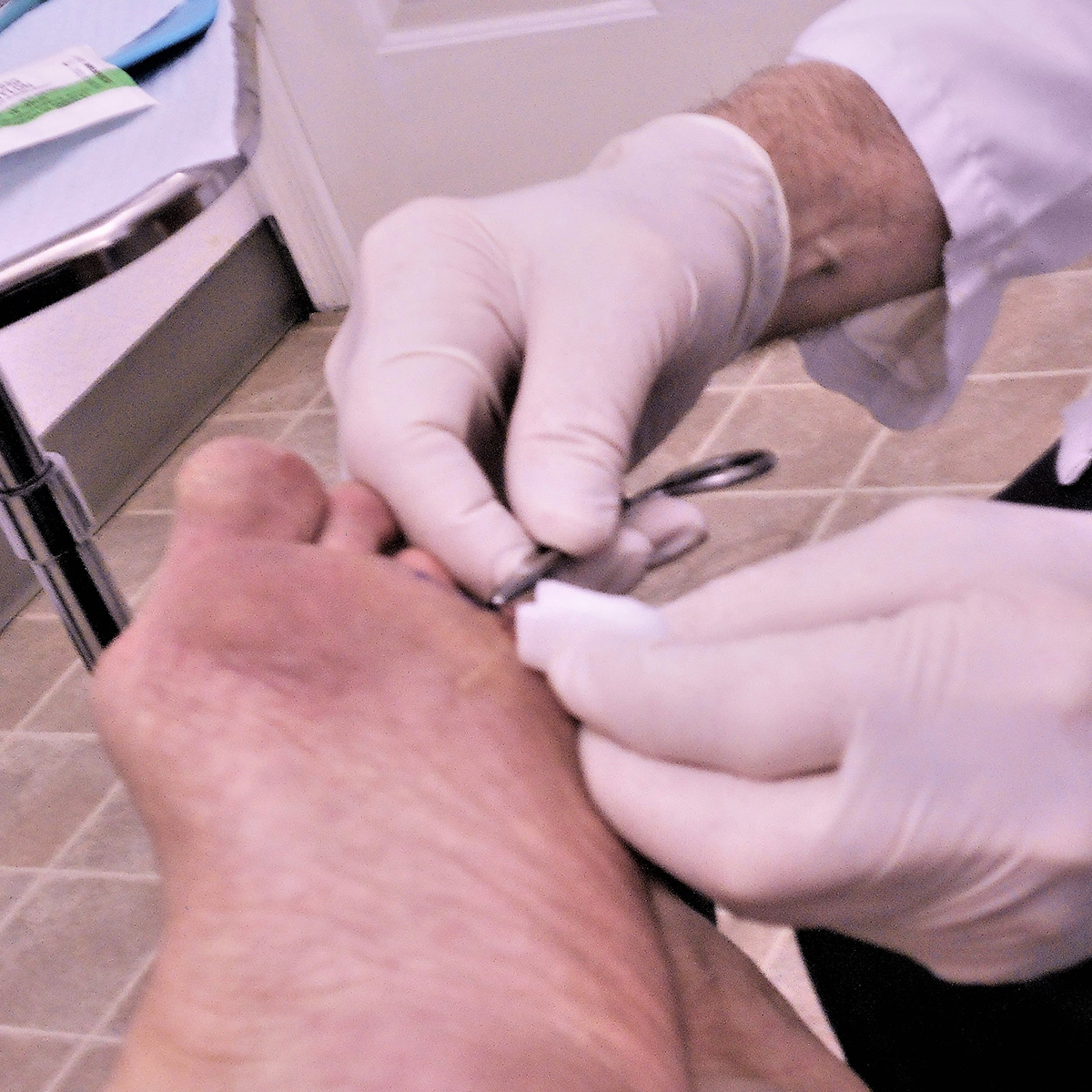
Indications
Surgery is necessary when bunions cause chronic pain that does not subside after conservative treatment (orthopedic insoles, rehabilitation, anti-inflammatory drugs). Pain may make it impossible to walk and wear shoes. This is often accompanied by swelling and inflammation in the metatarsophalangeal joint area.
The procedure is recommended in cases of rapidly progressing deformity, which leads to changes in other structures of the foot. Incorrect positioning of the big toe causes overload of the adjacent joints, which can result in pain, difficulty in movement, and additional deformities, such as hammer toes.
Bunion surgery is recommended when the deformity makes it difficult or impossible to wear standard footwear. In advanced cases, the big toe overlaps the other toes, causing painful abrasions and thickening of the skin, especially when walking.
Patients whose bunions significantly limit their physical activity are also eligible for surgery. Foot deformities can make it difficult to perform basic activities such as walking, standing for long periods of time, or playing sports.
Diagnosis and consultation
An orthopedic surgeon conducts a detailed examination of the foot, carefully assessing the degree of deformity, such as changes in the skeletal system, the position of the toes or arches of the foot, as well as the extent of changes affecting the soft tissues. During the examination, they analyze joint mobility, any limitations in their functioning, and symptoms of pain. In order to obtain a more complete picture of the health of the foot, they may recommend an X-ray, which allows for a thorough analysis of bone structures, including the identification of degenerative changes, microdamage, or abnormalities in bone alignment. The results of the imaging examination are a valuable addition to the diagnostic process, enabling precise planning of further treatment.
Conservative treatment
In the early stages of the disease, conservative therapy is used, which includes various methods aimed at alleviating symptoms and halting the progression of changes.
Surgical treatment
In cases of advanced bunions, corrective surgery is performed to restore the correct bone alignment and stabilize the joint. The procedure involves the precise removal of deformities, followed by the realignment of the first metatarsal bone and phalanx to their natural position. Various surgical techniques are used for this purpose, such as osteotomy, arthrodesis, or soft tissue reconstruction, depending on the severity of the deformity and the individual needs of the patient. The operation is performed under local or general anesthesia, which ensures the patient's complete comfort during the procedure. After the procedure, specialized implants, such as screws or plates, are used to stabilize the joint and allow for proper healing.
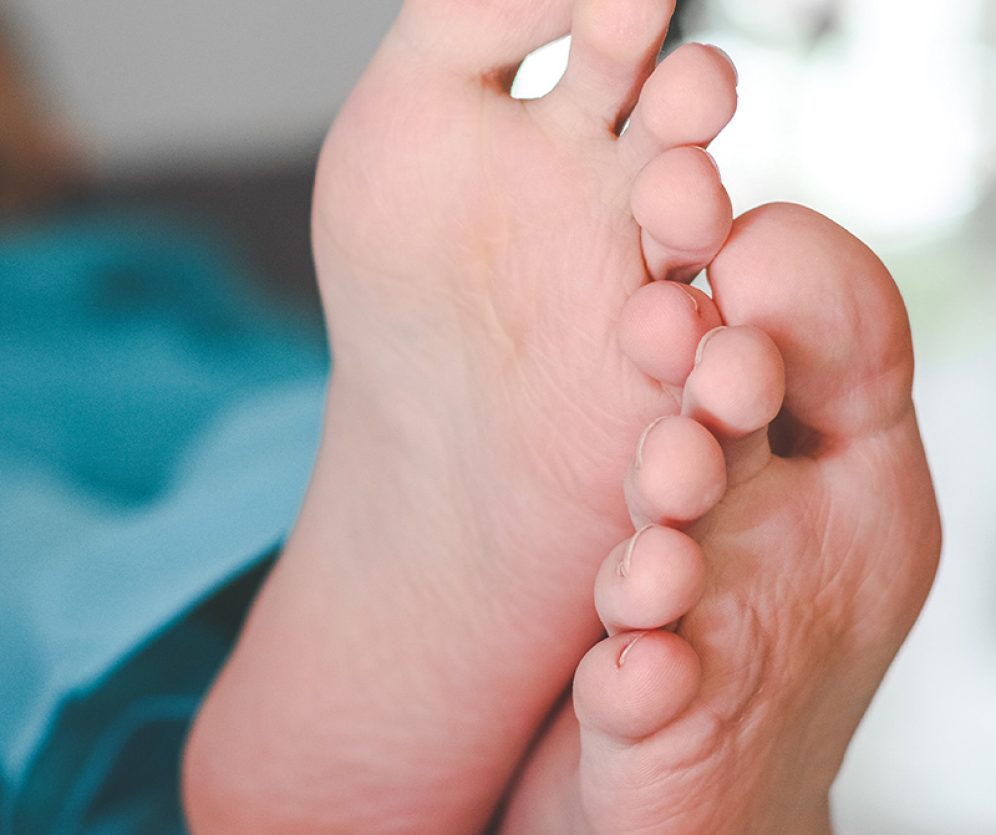
Frequently asked questions
Our patients before surgery
Bunion surgery is a surgical procedure aimed at correcting foot deformities involving the curvature of the big toe (hallux) toward the other toes. The procedure may involve removing excess bone, correcting ligaments and tendons, and positioning the bone in the correct position. The type of surgery depends on the severity of the deformity.
Anesthesia is used during the procedure, so the patient does not feel any pain. Moderate pain is possible after the operation, but it can be controlled with painkillers. Swelling and discomfort may occur in the first few days after the procedure, but these symptoms gradually subside.
The recovery time depends on the surgical method and the patient's individual predisposition. It usually takes 6 to 12 weeks to return to daily activities. During the first few weeks, it is recommended to wear special footwear, avoid putting weight on the operated foot, and follow the rehabilitation recommendations.
In most cases, surgery effectively eliminates the problem of bunions. However, failure to follow the doctor's recommendations, wearing inappropriate footwear, or genetic predisposition may increase the risk of recurrence of the deformity. Regular check-ups with a specialist and care for appropriate footwear can help maintain the effects of the procedure.
Do you have any questions?
Contact us
Władysława Syrokomli 46,
51-141 Wrocław
Mon–Fri: 9:00 AM – 5:00 PM Sat–Sun: Closed
Call :+48 666 850 666