

Navel Reconstruction
Navel Reconstruction
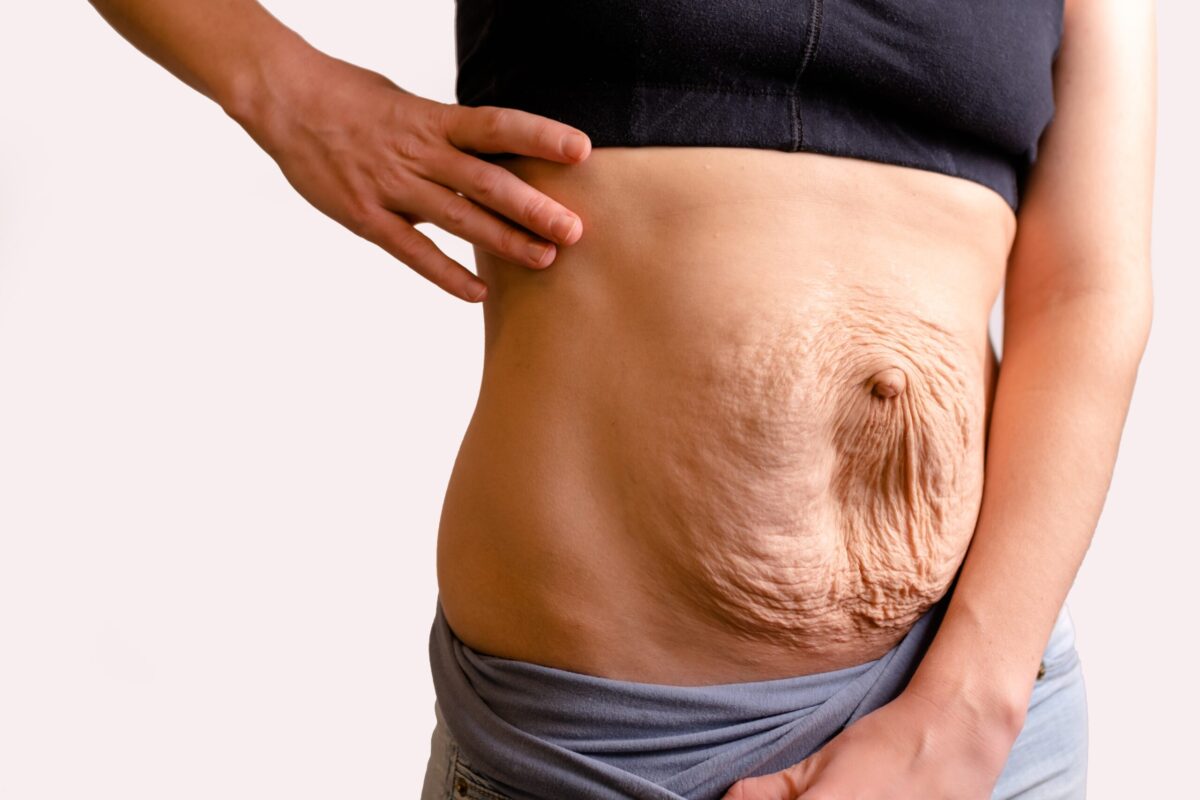
- Absence of the navel after surgical procedures (e.g., hernia repair, abdominoplasty)
- Navel distortion after pregnancy, childbirth, or cesarean section
- Navel reconstruction after bariatric surgery or massive weight loss
- Congenital deformation or asymmetry of the navel
- Dissatisfaction with the appearance of the navel after previous procedures
- Active skin infection in the abdominal area
- Uncontrolled chronic diseases (diabetes, hypertension, autoimmune diseases)
- Tendency to develop hypertrophic scars (keloids)
- Pregnancy or planned pregnancy in the coming months
- Unrealistic aesthetic expectations
Preparation for the procedure:
Consultation with a plastic surgeon, discussion of the patient's desired appearance
Laboratory tests (complete blood count, coagulation) if necessary
Discontinuation of anticoagulants 7 days prior to surgery (after consulting a physician)
Avoid alcohol and cigarettes for at least 2 weeks before the procedure.
On the day of the operation: thorough abdominal hygiene, no lotions or makeup
The course of the procedure
The procedure is performed under local or general anesthesia, depending on the extent of the correction and whether it is combined with another procedure (e.g., abdominoplasty).
The surgeon recreates the shape of the navel, gives it the appropriate depth, and places it in an aesthetic location.
Tissue modeling techniques and precise layered sutures are used to achieve a natural effect.
The procedure usually takes between 30 minutes and 1 hour. The patient returns home on the same day.
Recovery and post-treatment recommendations:
Mild swelling and bruising usually last for 1–2 weeks.
The dressing should be worn for several days and changed according to the doctor's recommendations.
Avoid physical exertion for at least 2–3 weeks.
No sunbathing or tanning beds for 6 months
Scar massage and preparations supporting scar maturation – as recommended by a doctor
Mandatory follow-up visits: after 7–14 days, then after 1, 3, and 6 months
Possible complications and risks:
Hematoma or infection
Scar hypertrophy or discoloration
Navel asymmetry
Unsatisfactory aesthetic effect
Minor necrosis of the edges of the navel (very rare)
Frequently Asked Questions
Our patients before the procedure Navel reconstruction
No. It is performed under local or general anesthesia. Post-operative discomfort is minimal and well controlled.
You can return to office work after a few days. Physical exertion should be avoided for about 2–3 weeks.
Yes—that is the main goal of the procedure. We use techniques that allow us to recreate a shape and depth that is as close as possible to the natural appearance.
The scar is very small and made in such a way that it is almost invisible after healing.
Yes. Unless there are sudden changes in body weight or subsequent pregnancies, the effect remains stable.
Yes – we very often perform navel reconstruction as part of abdominal plastic surgery.
Yes, after the postpartum period is over and the incision scar has fully healed.
No. In most cases, local anesthesia is sufficient.
It is usually flattened, asymmetrical, or completely invisible—which is a major aesthetic problem for many patients.
Yes—in special cases, such as after significant weight loss.
Do you have any questions?
Get in touch with us
Władysława Syrokomli 46,
51-141 Wrocław
Mon-Fri: 09:00 - 17:00
Saturday - Sunday: closed
Call :+48 666 850 666