

Hernia Repair
Plastic surgery for Hernia
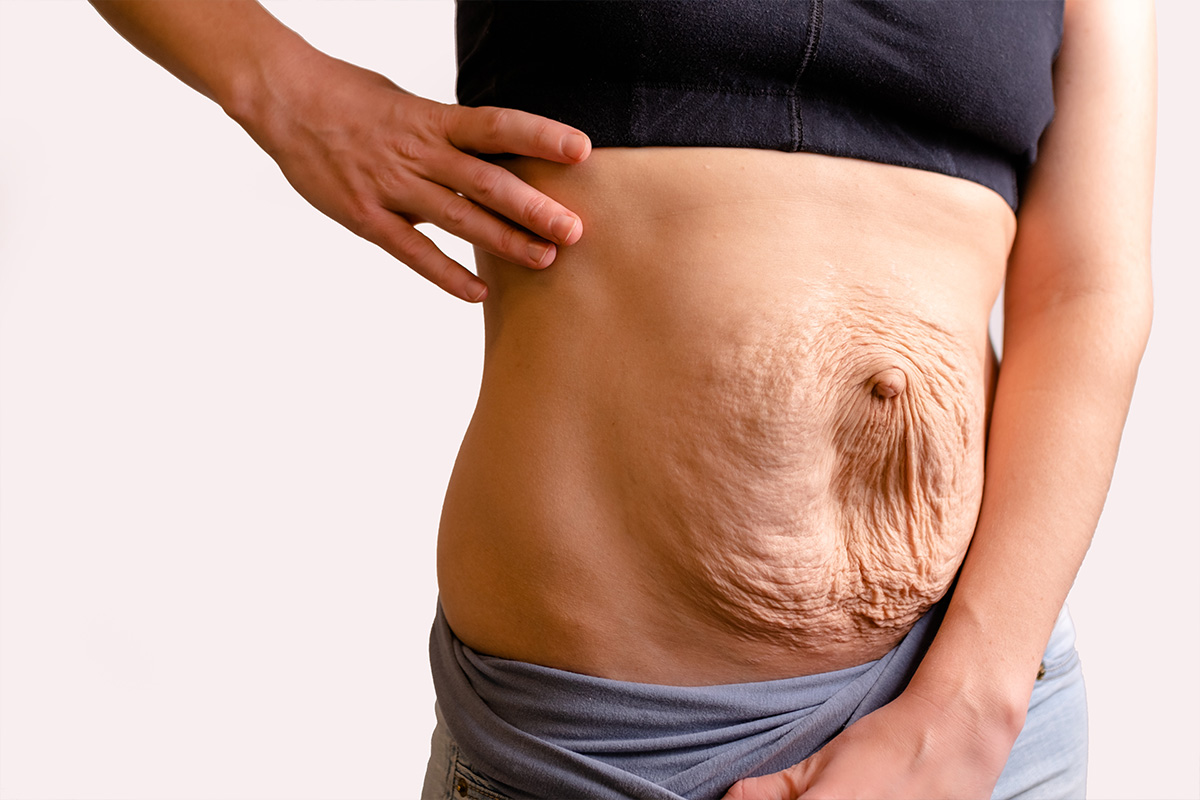
- Umbilical or periumbilical hernia with accompanying linea alba defect
- Loss of abdominal skin elasticity after pregnancy
- Hernia within the scar after a cesarean section
- Aesthetic correction of the abdomen as part of a full or mini abdominoplasty
- Recurring pain or a feeling of bulging in the navel area
- Uncontrolled general diseases (e.g., diabetes, hypertension)
- Severe obesity
- Active infection
- Hemorrhagic diathesis or coagulation disorders
- Pregnancy or planned pregnancy in the near future
Effects of the treatment
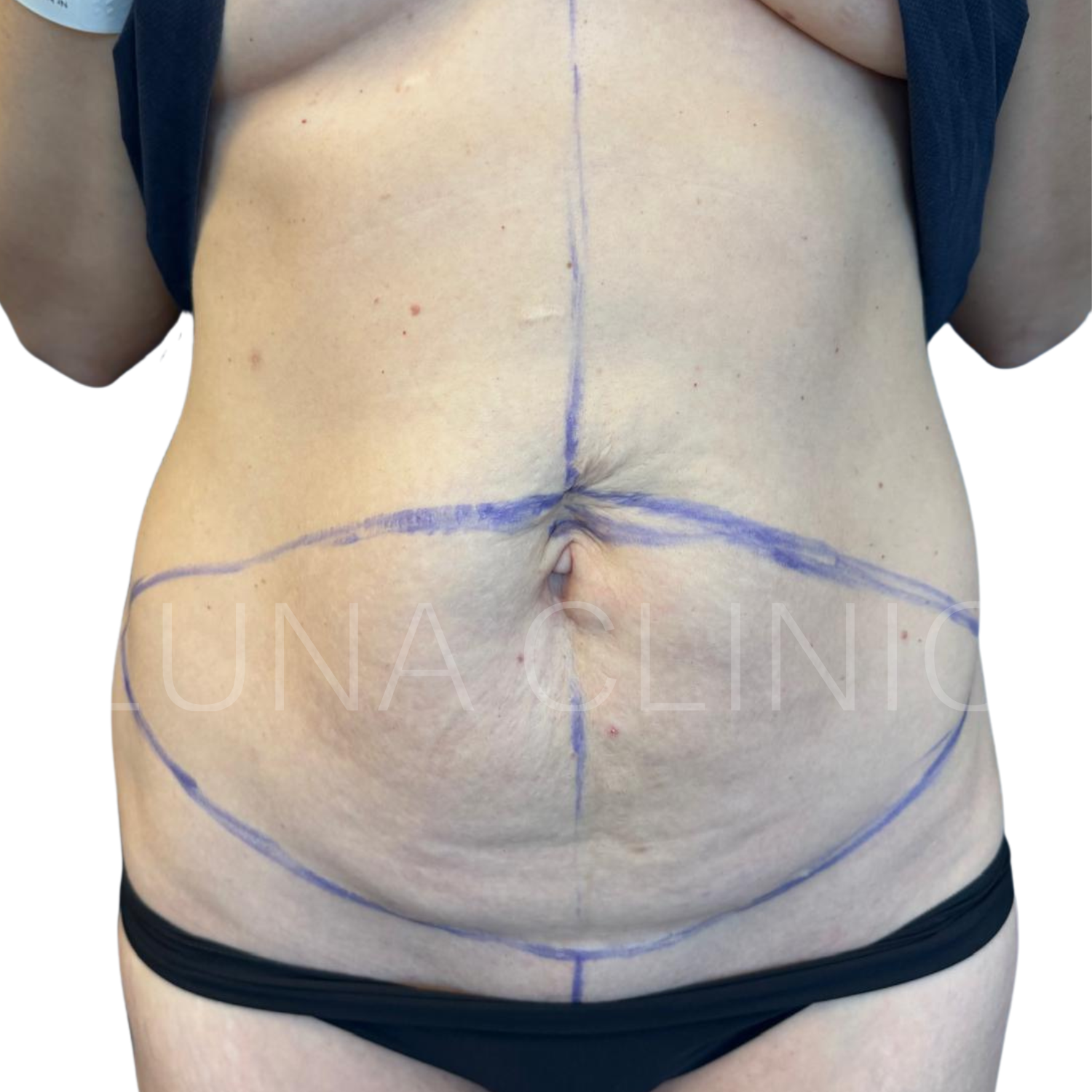
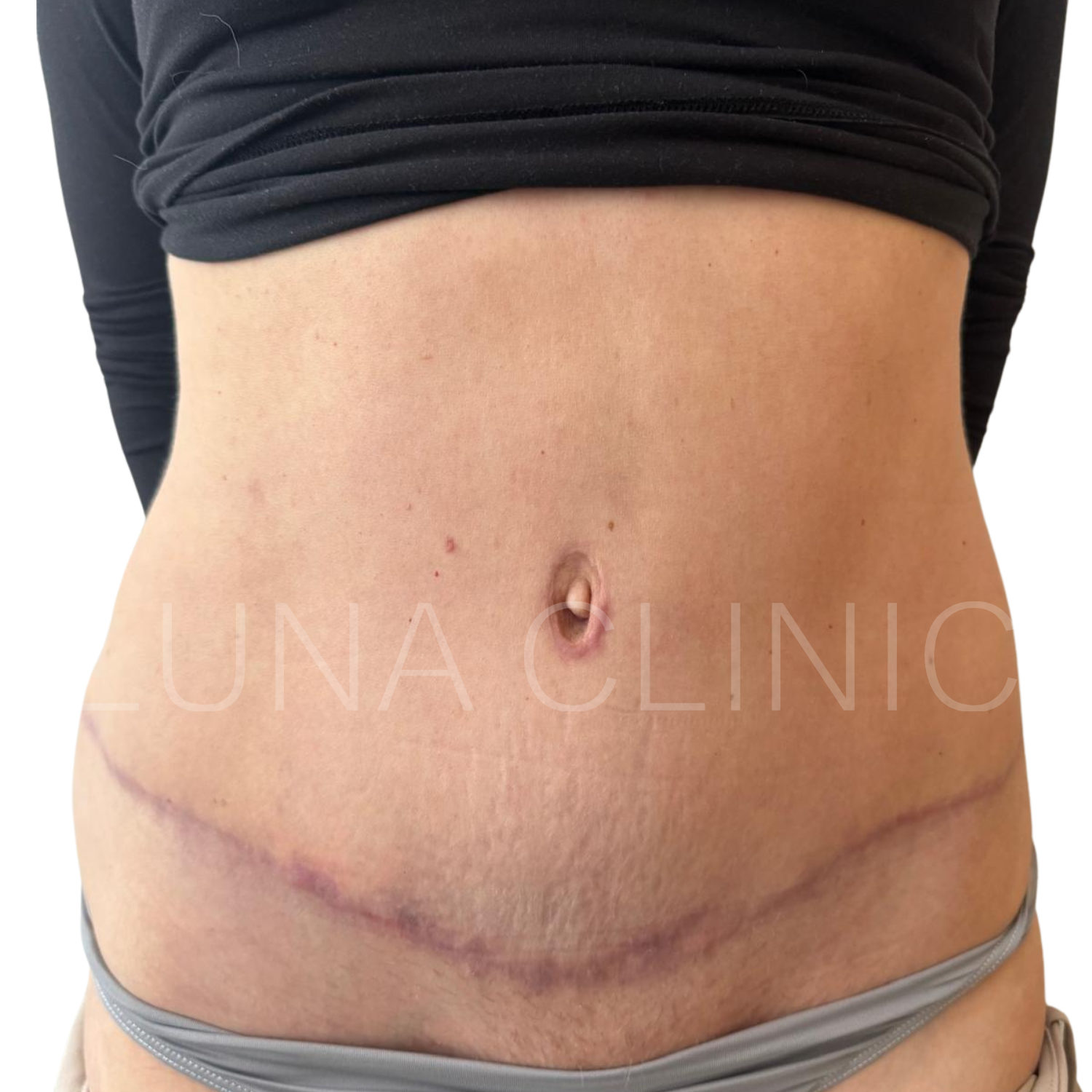
navel plastic surgery with abdominal plastic surgery (effect 2 months after surgery)
Preparation for the procedure:
Surgical consultation and laboratory tests
Hernia assessment – clinical examination and possible abdominal wall ultrasound
Odstawienie leków przeciwzapalnych i przeciwzakrzepowych 7 dni przed zabiegiem (po uzgodnieniu z lekarzem)
Avoid smoking and alcohol for at least 2 weeks before the procedure.
On the day of the procedure – thorough hygiene, no lotions or creams on the skin of the abdomen
The course of the procedure
The procedure is performed under general anesthesia as part of a classic abdominoplasty or its mini version.
After removing the excess skin, the surgeon locates the defect in the skin and performs plastic tissue suturing, most often with non-absorbable sutures.
In some cases, a reinforcing mesh is also used.
After the operation, a dressing and compression bandage are applied.
The patient remains in the clinic for 1–2 days, depending on the extent of the procedure.
Recovery and post-treatment recommendations:
Wearing a compression belt for a minimum of 6–8 weeks
Avoid physical exertion for at least 6 weeks.
It is contraindicated to lift and tense the abdominal muscles.
No smoking, drinking alcohol, or exposing scars to the sun for at least 6 months.
After the wound has healed, introduce scar massage and preparations that support healing.
Mandatory checks: after 1, 3, 6, and 12 months
Possible complications and risks:
Hematoma or bleeding requiring drainage
Infection requiring antibiotic therapy
Transient or rarely persistent sensory disturbances in the face or auricle
Hypertrophic or discolored scars – minimized thanks to precise suturing techniques
Asymmetry requiring correction
Prolonged swelling or bruising
Unsatisfactory aesthetic result requiring possible reoperation
Frequently asked questions
Our patients before surgery Hernia repair
No, it is performed under general anesthesia. After the procedure, pain is controlled with medication.
The risk of recurrence is low if the patient follows the recommendations and does not strain the abdominal muscles.
No — the incision is made low, in the subabdominal fold, and the wound is closed with precise suturing.
For office work after approximately 10–14 days. Physical work – after approximately 6 weeks.
Not always — it depends on the size of the hernia and the surgeon's decision during the procedure.
Yes, but at our clinic we usually combine these two elements to achieve the best aesthetic and functional results.
We recommend a minimum of 6–8 weeks.
Yes—if you are eligible, it is possible to combine several body contouring procedures.
No sooner than after 8–10 weeks and only after consulting a doctor.
Yes — hernia repair is often combined with navel reconstruction, which significantly improves aesthetics.
Do you have any questions?
Get in touch with us
Władysława Syrokomli 46,
51-141 Wrocław
Mon-Fri: 09:00 - 17:00
Saturday - Sunday: closed
Call :+48 666 850 666