

Breast Lift
Breast lift
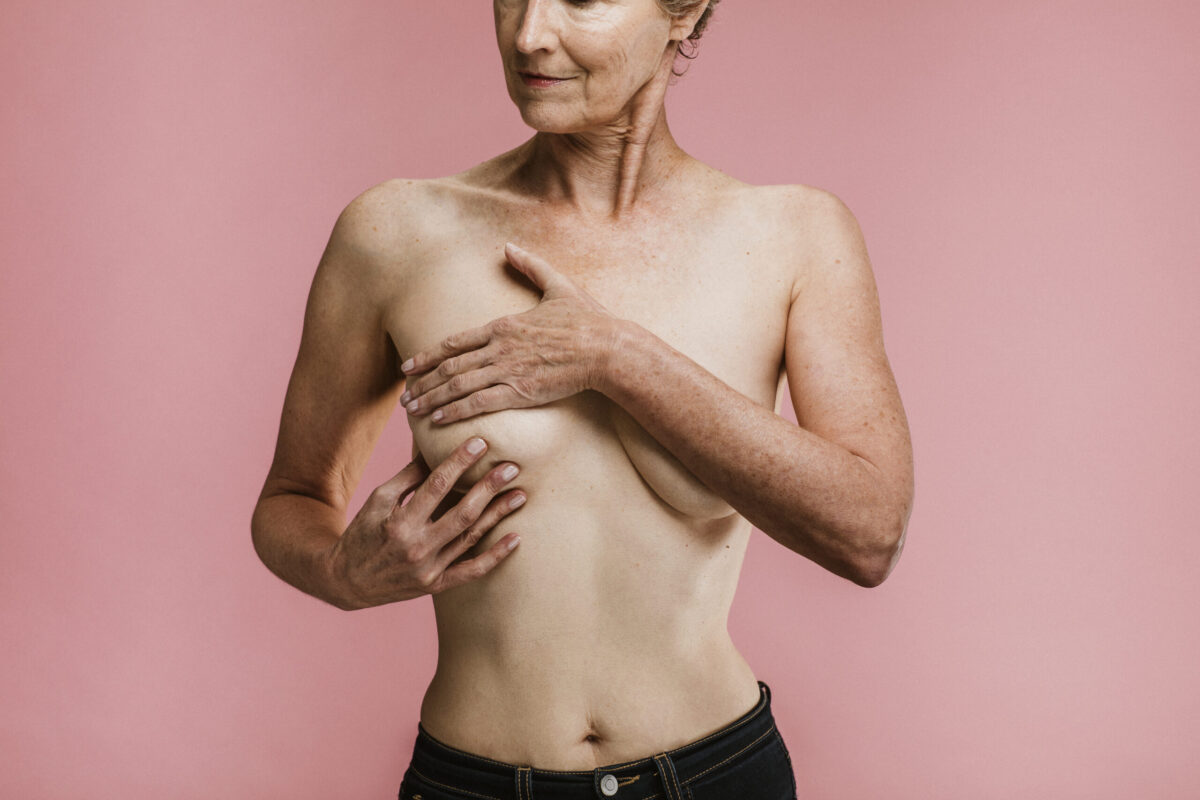
- Breast sagging (ptosis) – related to age, pregnancy, breastfeeding, or weight loss
- Loss of breast firmness and volume
- Lowering of the nipples relative to the inframammary fold
- Dissatisfaction with the shape and position of the breasts with stable body weight
- Asymmetry of nipple position
- Pregnancy or planning to become pregnant in the near future
- Breastfeeding (for at least 6 months after completion)
- Unstable body weight (planned weight loss)
- Uncontrolled chronic diseases (e.g., diabetes, hypertension)
- Coagulation disorders, infections
- Unrealistic expectations regarding the effect
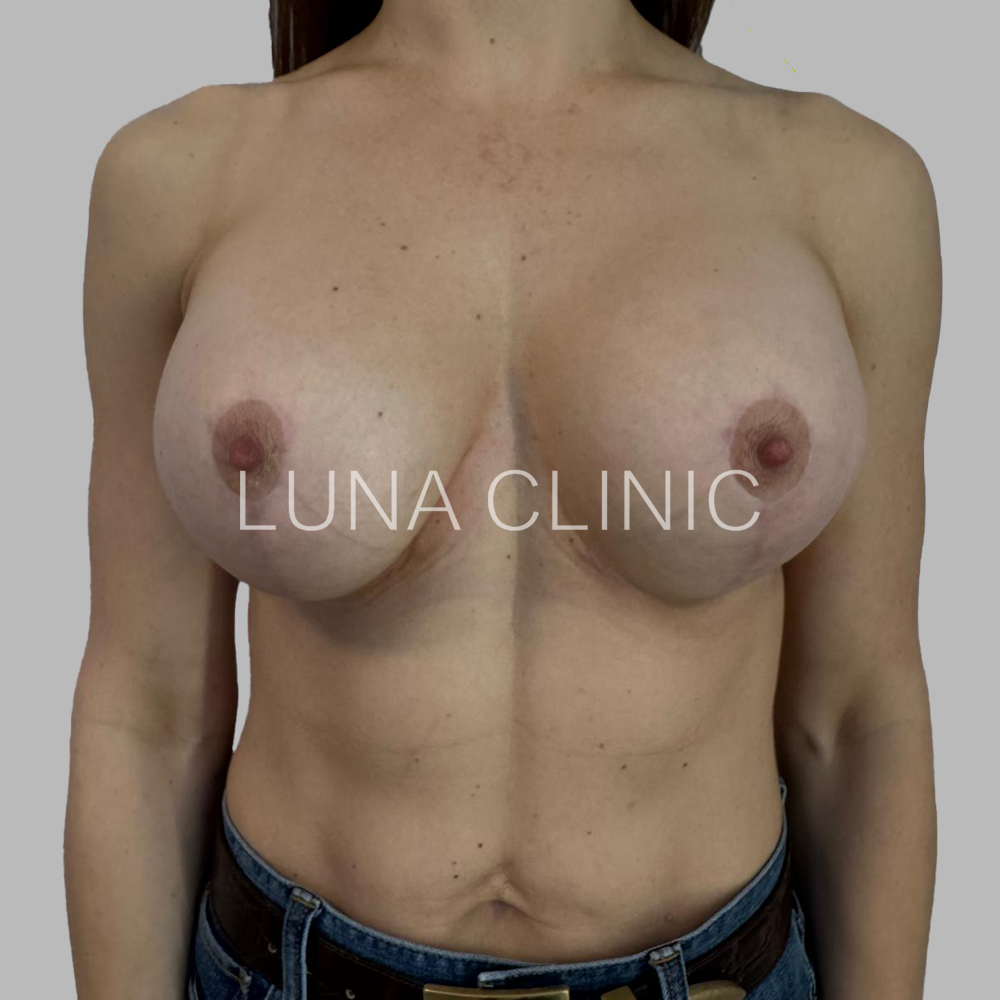
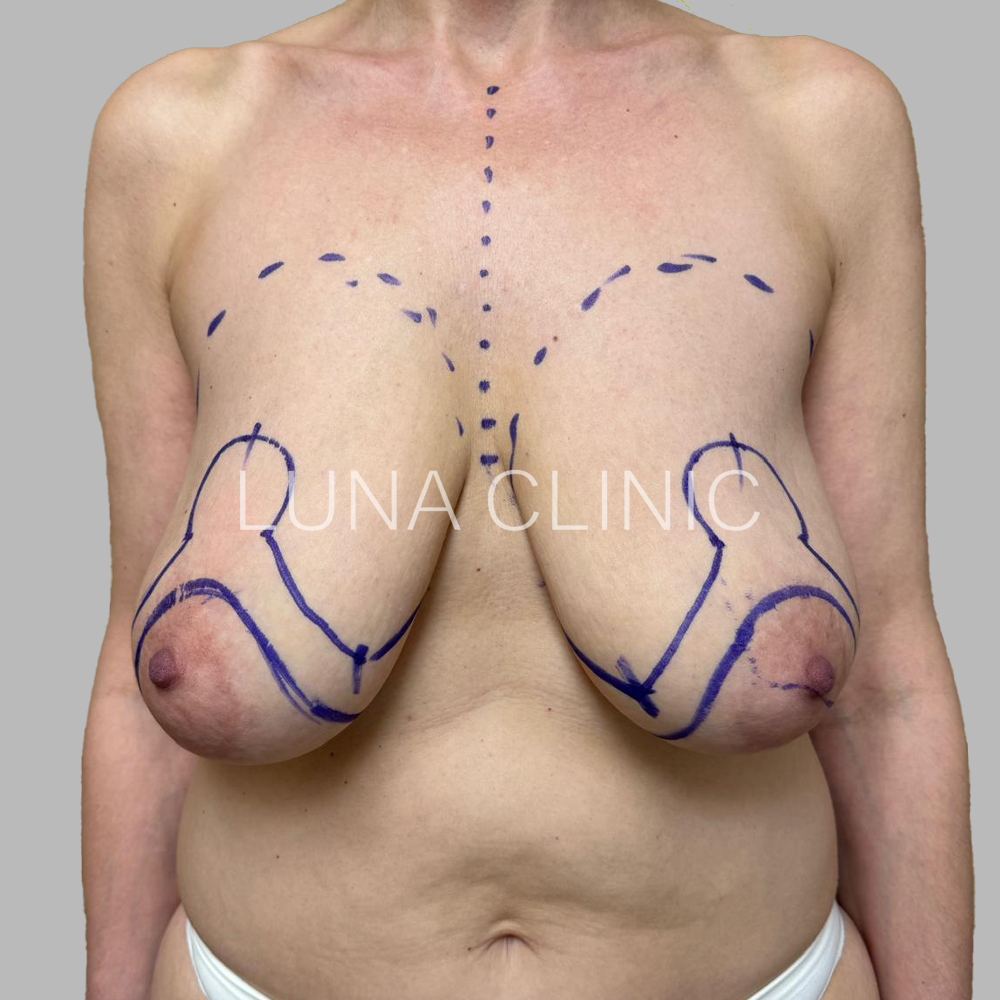
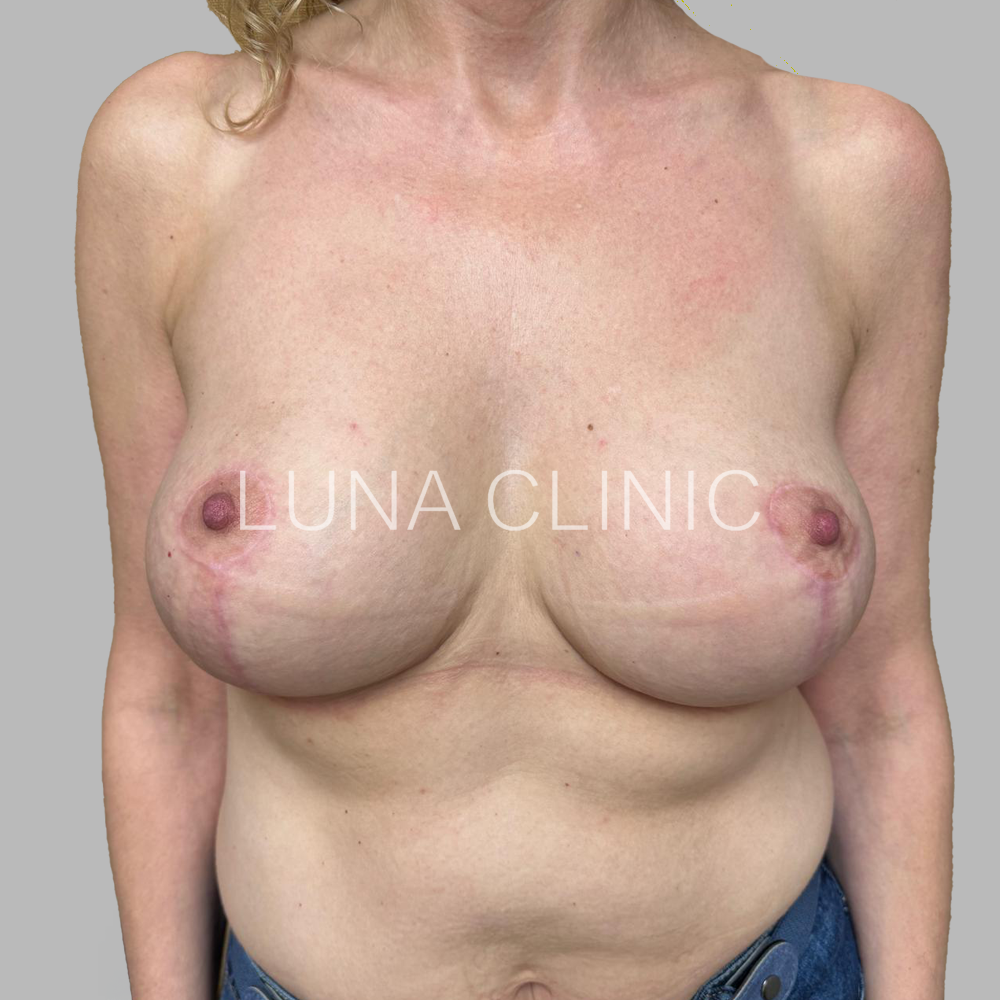
Preparation for the procedure:
Consultation with a plastic surgeon to determine eligibility, discuss expectations, and plan the procedure
Laboratory tests
Discontinuation of anticoagulants at least 14 days prior to surgery (after consulting a physician)
Avoid alcohol and smoking for at least 14 days before the procedure – for better healing.
Thorough facial skin hygiene on the day of the procedure (no makeup, creams, lotions)
The course of the procedure
The procedure is performed under general anesthesia and lasts approximately 2.5–3 hours.
The surgeon removes excess skin and reshapes the mammary gland, moving the nipple to the correct height.
In cases of significant volume loss, a lift can be combined with an implant.
After the procedure, the patient stays overnight at the clinic under the care of the medical team.
Recovery and post-treatment recommendations:
Wear a post-operative bra for at least 6 weeks (day and night).
Restriction of physical activity and arm movements for 4–6 weeks
No lifting, sunbathing, or sauna use for at least 2 months.
For several weeks, you may experience pain, swelling, and numbness—these symptoms will gradually subside.
The stitches are dissolvable – they do not need to be removed.
After 4–6 weeks, introduce scar massage and preparations to support healing.
Check-ups: after 7 days, 1 month, 3, 6, and 12 months
Possible complications and risks:
Hematoma, infection, delayed healing
Asymmetry, uneven position of the nipples
Hypertrophic or discolored scars
Sensory disturbances in the nipples (usually temporary)
Dissatisfaction with shape – requiring minor correction
Frequently asked questions
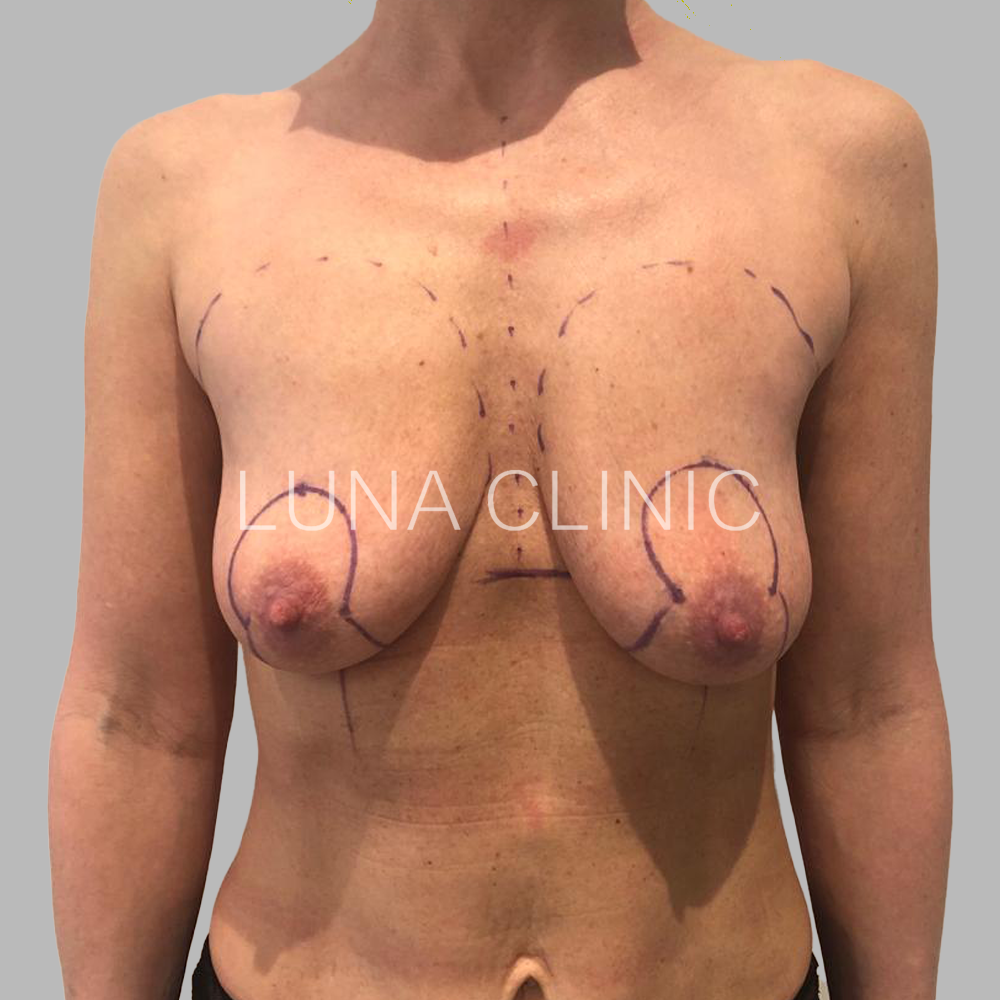
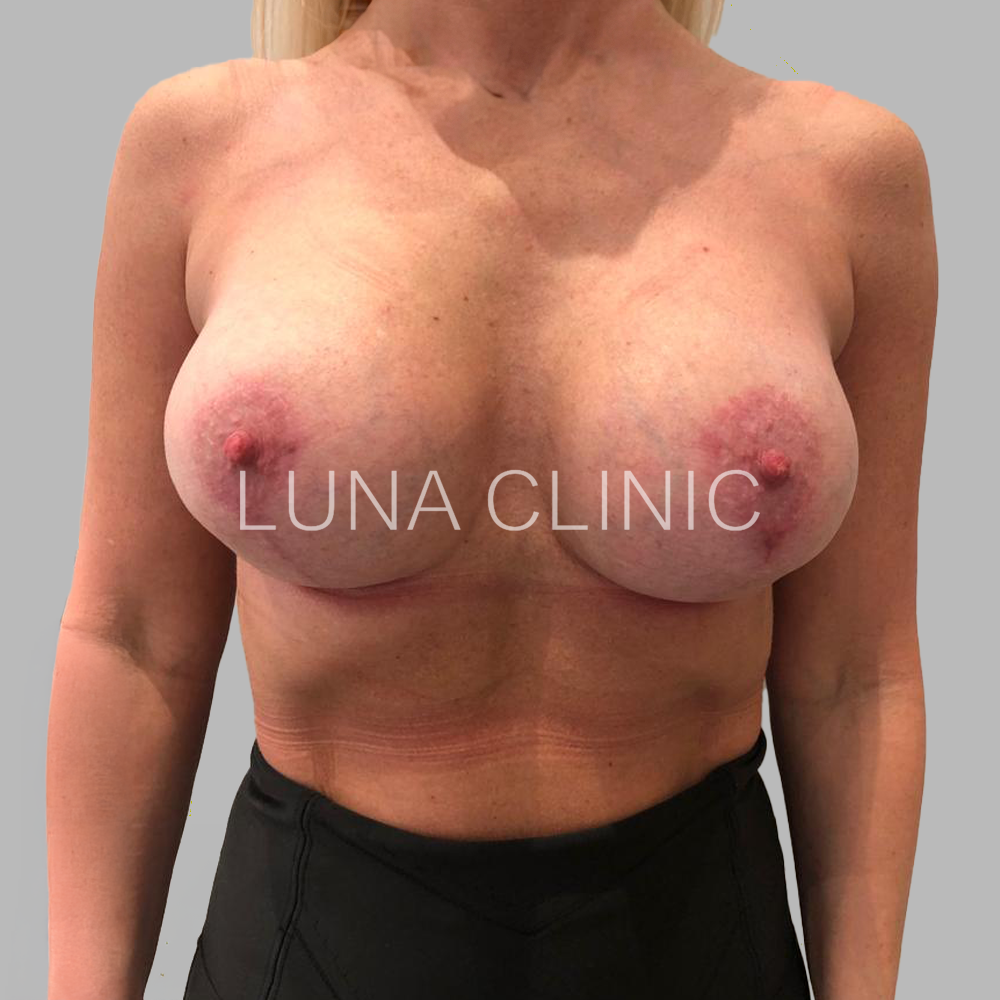
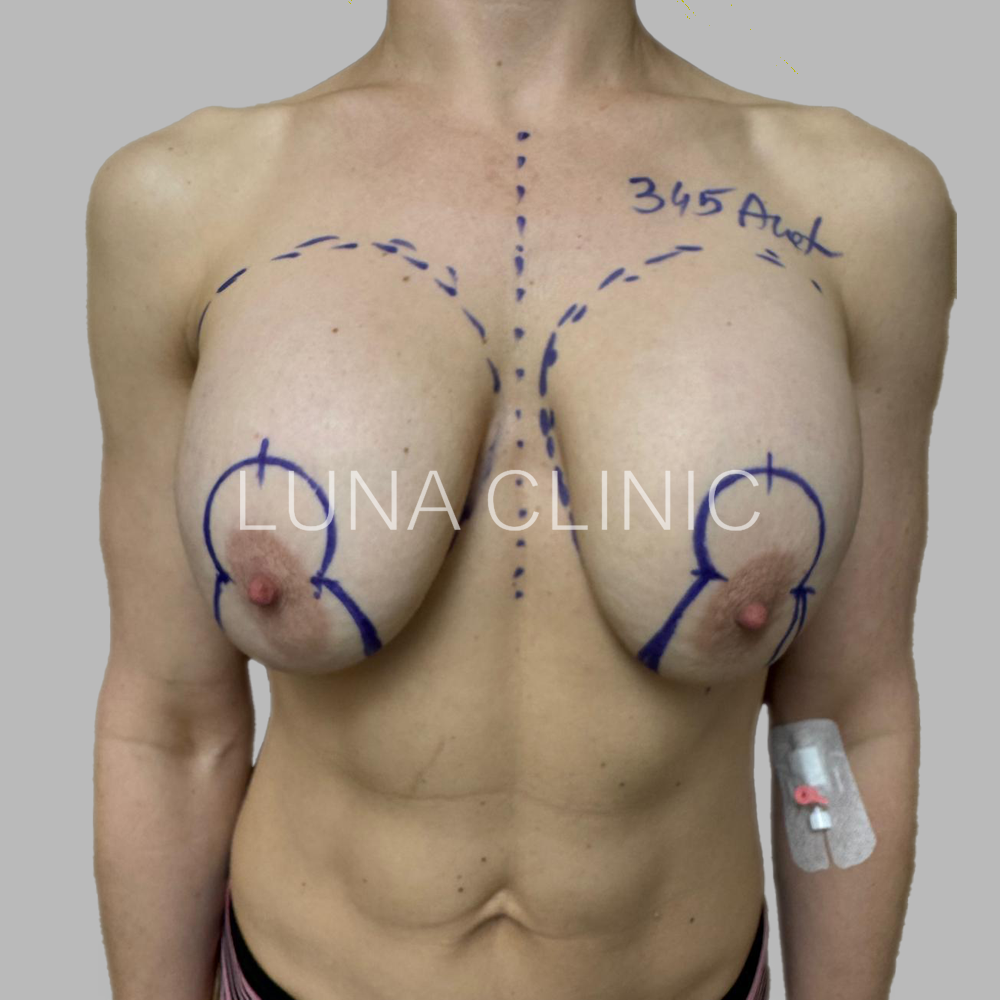
Our patients before surgery
In most cases, yes. The surgeon will try to preserve the patency of the milk ducts, but it is advisable to schedule the procedure after you have finished having children.
Usually not. Only excess skin is removed. If the patient wants to reduce volume, a lift can be combined with a reduction.
Yes. In cases of significant loss of gland volume, a lift can be combined with augmentation.
For office work – usually after 7–10 days. For physical work – after about 4–6 weeks.
Minimum 6 weeks – around the clock, including at night.
No—but in some cases, the removed skin may include the stretch mark area.
Yes, but we conduct them in such a way that they are as discreet as possible. Over time, they become clear and flat.
Yes, but its long-term quality is affected by age, pregnancies, breastfeeding, and weight changes.
The main phase lasts 4–6 weeks, but the tissues stabilize over several months.
Temporary – numbness or hypersensitivity of the nipples may occur, usually resolving after a few weeks.
Do you have any questions?
Get in touch with us
Władysława Syrokomli 46,
51-141 Wrocław
Mon-Fri: 09:00 - 17:00
Saturday - Sunday: closed
Call :+48 666 850 666