

Scars
Indications
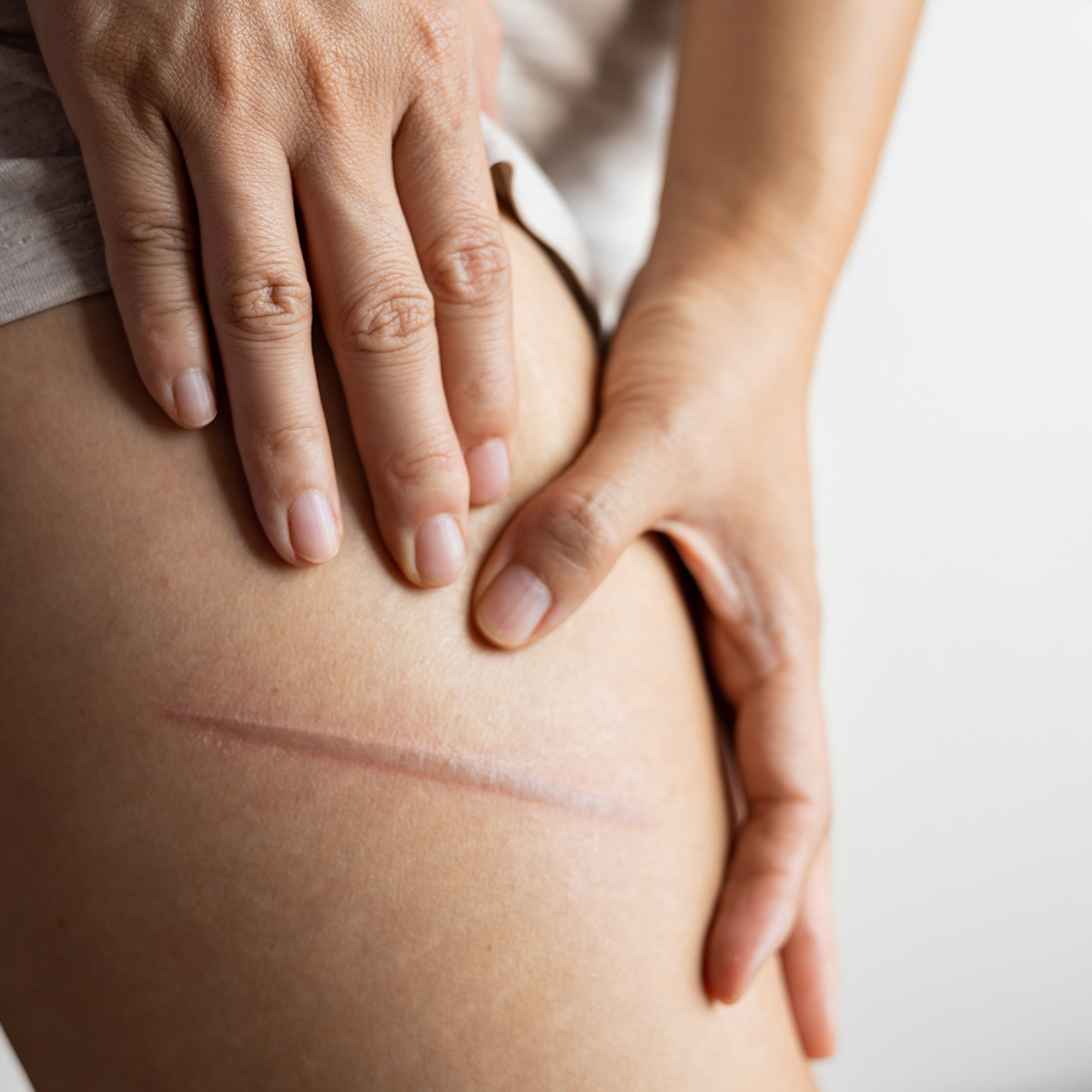
Scars resulting from surgery or injury that are wide, hard, or cause discomfort require treatment. Therapies may include steroid injections, laser therapy, or surgical correction. The goal is to reduce the visibility of the scar and improve the aesthetics and functionality of the skin.
Scars that show excessive tissue growth (keloids or hypertrophic scars) are an indication for therapies that reduce their volume and visibility. Treatment includes corticosteroid injections, laser therapy, or the use of compression dressings. In some cases, surgical removal of the lesions is necessary, with additional measures to prevent recurrence.
Patients with bruxism often complain of facial pain and muscle fatigue when eating or speaking. Botulinum toxin treatment helps reduce these symptoms by relaxing tense muscles. The result is improved functionality and comfort.
Scars that show excessive tissue growth (keloids or hypertrophic scars) are an indication for therapies that reduce their volume and visibility. Treatment includes corticosteroid injections, laser therapy, or the use of compression dressings. In some cases, surgical removal of the lesions is necessary, with additional measures to prevent recurrence.
Types of scars
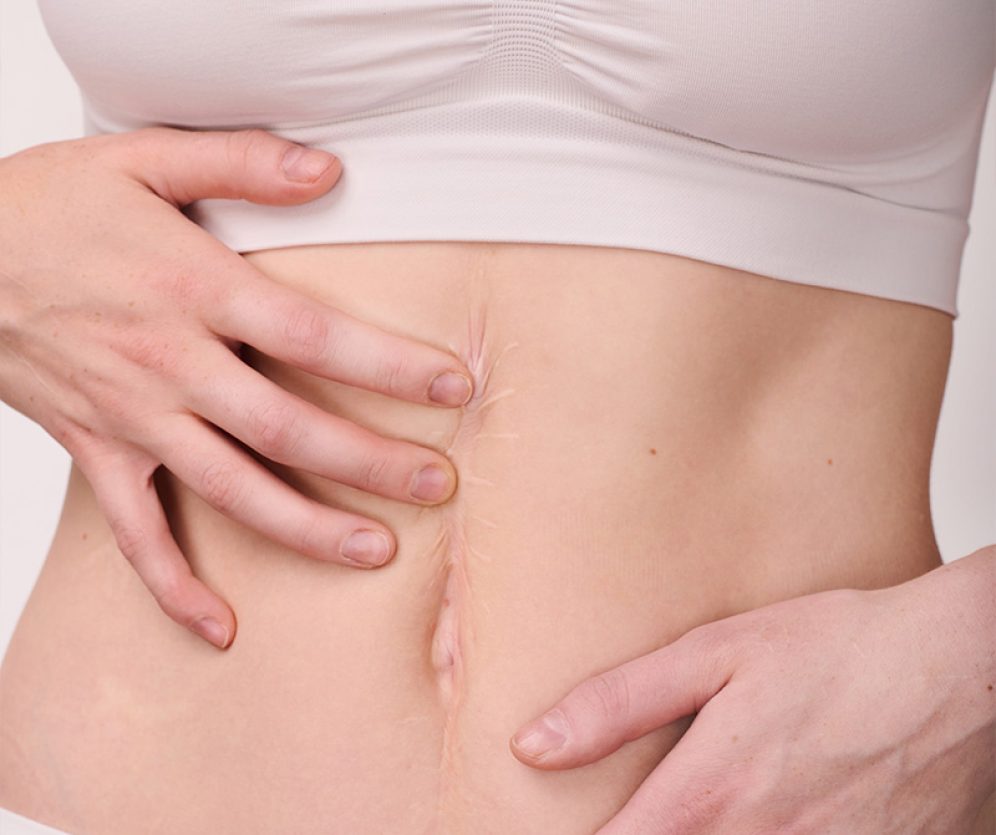
Scars can take various forms depending on the mechanism of their formation. Hypertrophic scars are the result of collagen overproduction and often protrude above the surface of the skin, while atrophic scars, such as those caused by acne or chickenpox, are characterized by indentations. Keloids are a more advanced form of hypertrophic scars and can grow beyond the boundaries of the original wound. Each type of scar requires an individual approach to treatment.
Methods of treating scars
Scar treatment involves a variety of methods, tailored to the type and depth of the scar. For fresh scars, silicone ointments are used to support the healing process and prevent hypertrophy. For more advanced changes, laser treatments, chemical peels, dermabrasion, or microneedling are recommended to stimulate skin regeneration and reduce the visibility of scars. In more difficult cases, such as keloids, steroid injections, cryotherapy, or modern biological therapies are used.
Post-treatment care
Proper care of scarred skin supports the regeneration process and minimizes the risk of new lesions forming. It is essential to use sunscreen, as UV exposure can cause scar discoloration. In daily care, it is worth using creams containing ingredients that support regeneration, such as allantoin, vitamin E, or onion extract. Regular visits to a dermatologist help monitor the progress of therapy and, if necessary, modify the treatment plan to achieve the best aesthetic results.
Frequently asked questions
Our patients before surgery
Complete removal of scars is rarely possible, as a scar is a permanent change in the structure of the skin. However, thanks to modern treatment methods, it is possible to significantly reduce the visibility of scars, improve their texture and color, and smooth the skin, making them less noticeable. The effectiveness depends on the type of scar and the individual skin's response to the therapy.
Various methods are used to treat scars, including laser therapy, chemical peels, microdermabrasion, mesotherapy, steroid injections, as well as dermapen or microneedle radiofrequency. In the case of hypertrophic scars or keloids, pharmacological treatment is also used, e.g., corticosteroid injections.
Most treatments are minimally invasive and well tolerated by patients. For more invasive procedures, such as laser therapy or microneedling, local anesthesia is used to ensure comfort. After the procedures, slight burning, redness, or swelling may occur, but these symptoms quickly subside.
The duration of treatment depends on the type and size of the scar and the method used. A series of treatments is usually recommended, e.g., 3–6 sessions at intervals of 3–4 weeks. Visible effects may appear after just a few treatments, but full results may take time, as the skin remodeling process takes several months.
Do you have any questions?
Contact us
Władysława Syrokomli 46,
51-141 Wrocław
Mon–Fri: 9:00 AM – 5:00 PM Sat–Sun: Closed
Call :+48 666 850 666