

Removal of Ganglions
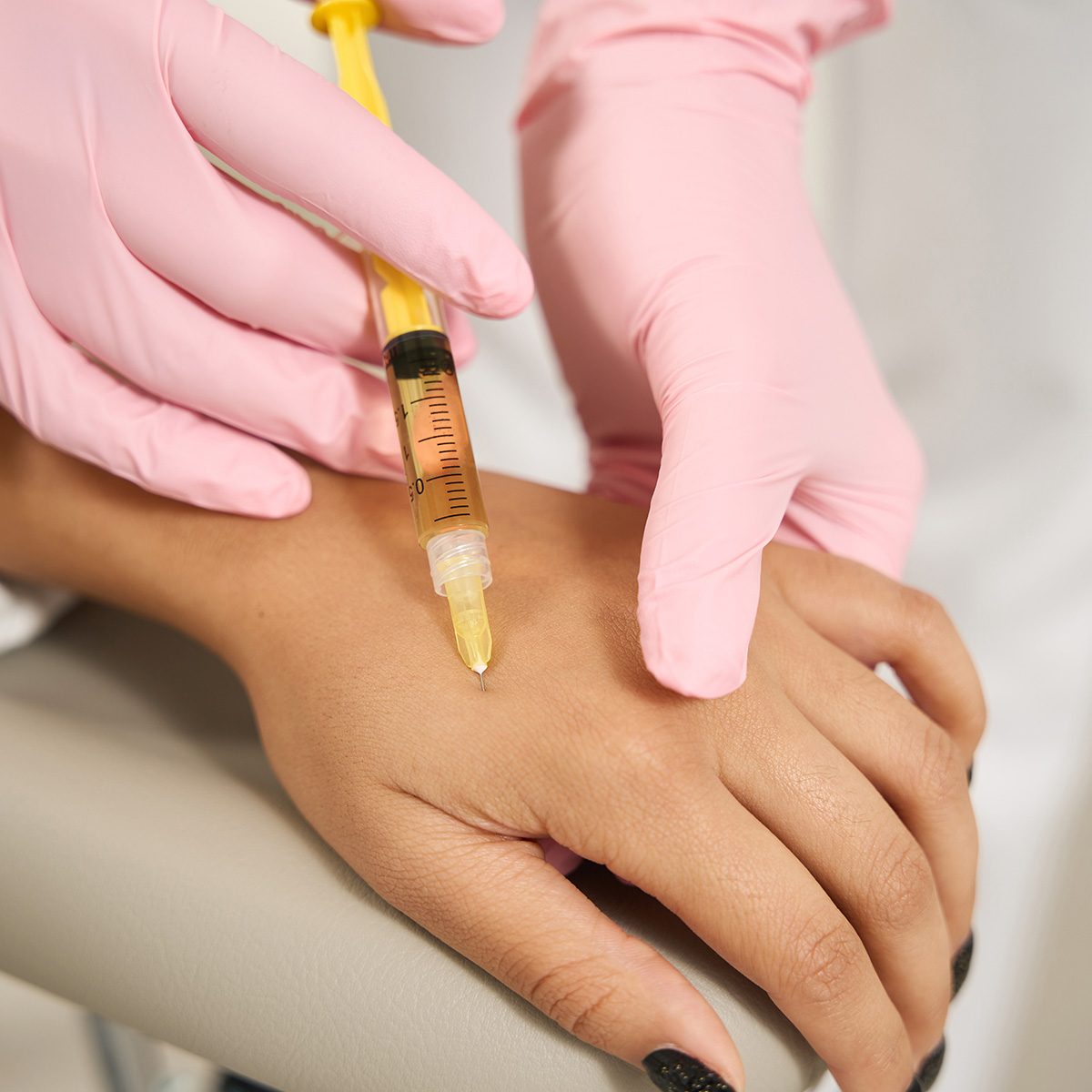
Indications
Surgery to remove a ganglion is recommended when the lesion causes pain or discomfort, especially during movement of the joint. Ganglions in the wrist, hand, or foot area can press on nerves or tendons, making everyday activities difficult. In such cases, removal of the lesion is necessary to restore comfort to the patient.
Advanced ganglions can limit joint mobility, especially in the wrist or ankle. This change makes it difficult to perform precise movements such as writing, manual work, or sports. Surgery restores full joint function and allows you to perform everyday activities freely.
When a ganglion recurs after conservative treatment attempts, such as fluid aspiration or compression bandages, surgical treatment is recommended. Surgical removal of the lesion, along with its capsule, minimizes the risk of recurrence. This is the most effective method of dealing with the problem.
Ganglions, especially in visible areas such as the wrist or hand, can cause aesthetic discomfort and affect the patient's self-confidence. Removal of the lesion improves appearance and psychological comfort. The procedure is particularly recommended for people for whom the aesthetics of the hand are important.
Diagnosis and qualification
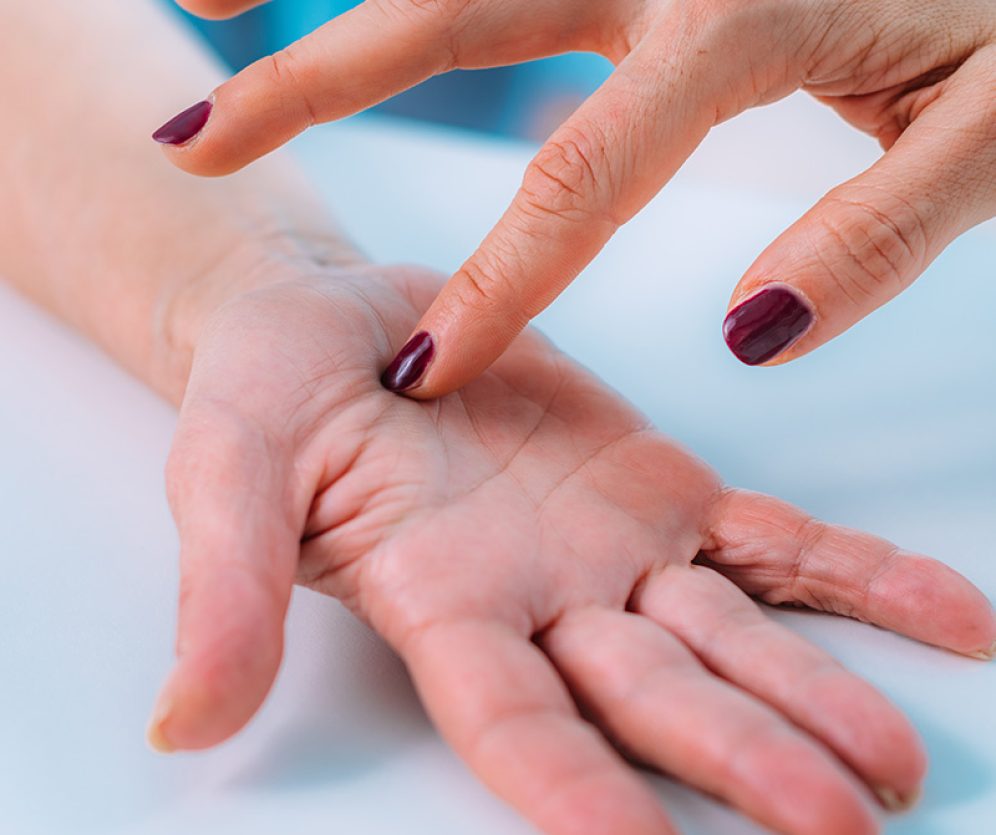
The doctor assesses the ganglion through a thorough physical examination, which includes analyzing the size, consistency, and mobility of the lesion in relation to the surrounding tissues. In addition, they check whether the ganglion causes pain or limited mobility in the joint. If necessary, the doctor orders imaging diagnostics, such as an ultrasound, which allows for a precise assessment of the contents of the lesion and its relationship to neighboring structures, such as tendons and ligaments. If it is necessary to rule out changes in bone structures, an X-ray may be performed.
Surgical procedure
The procedure involves the precise excision of the ganglion cyst along with its capsule, which is crucial to minimize the risk of recurrence. The operation is performed with great precision to remove the ganglion in its entirety while protecting surrounding structures such as tendons, ligaments, and nerves. The procedure is performed under local or general anesthesia, depending on the size and location of the cyst and the individual needs of the patient. Local anesthesia is usually used for smaller, superficial lesions, while general anesthesia may be indicated for large or more difficult to access ganglions.
Recovery
After the procedure, the patient may experience slight discomfort or minor pain in the operated area, which is a natural effect of surgical intervention. Protective dressings are used to protect the wound and support the healing process. These should be changed regularly as recommended by the doctor. In some cases, the patient is advised to avoid intense activity with the hand or foot (depending on the location of the ganglion) for several days to prevent excessive strain on the operated area. If necessary, the doctor may also recommend mild painkillers to relieve discomfort.
Frequently asked questions
Our patients before surgery
The removal of ganglions, or gelatinous cysts, involves their surgical excision. The procedure is performed under local or general anesthesia, depending on the location and size of the ganglion. The surgeon precisely removes the cyst along with its capsule to reduce the risk of recurrence. In less advanced cases, it is also possible to puncture and suck out the fluid (aspiration), although this method carries a higher risk of recurrence.
The procedure is painless because it is performed under anesthesia. After the operation, the patient may experience slight discomfort, swelling, or mild pain in the operated area, which can be alleviated with painkillers and by avoiding putting weight on the area.
The time needed to return to full fitness depends on the size and location of the ganglion and the chosen treatment method. Recovery usually takes between 2 and 6 weeks. In the first few days, you should avoid putting weight on the operated hand, wrist, or foot, and, if necessary, perform appropriate rehabilitation exercises recommended by your doctor.
Although surgical removal of the ganglion along with its capsule reduces the risk of recurrence, there is a possibility that the cyst will return. Fluid aspiration is less effective in this regard, which is why surgery is more often recommended for patients with recurrent ganglions.
Do you have any questions?
Contact us
Władysława Syrokomli 46,
51-141 Wrocław
Mon–Fri: 9:00 AM – 5:00 PM Sat–Sun: Closed
Call :+48 666 850 666