

Platelet-Rich Plasma
Indications
Platelet-rich plasma (PRP) therapy is recommended to accelerate tissue healing after muscle, ligament, or joint injuries and after orthopedic surgery. PRP stimulates repair processes thanks to concentrated blood platelets that release growth factors. It is particularly effective in the case of difficult-to-heal injuries, such as torn tendons or cartilage damage.
Platelet-rich plasma is used in the treatment of chronic inflammatory conditions such as tendonitis (e.g., tennis elbow) or plantar fasciitis. The treatment helps reduce pain and stimulates regenerative processes in tissues affected by chronic overload. It is a natural and safe method of supporting treatment without the need for steroid drugs.
PRP is an effective treatment for degenerative joint changes, such as osteoarthritis of the knees or hips. Plasma injections improve cartilage quality, reduce inflammation, and relieve pain. The treatment increases joint mobility and delays the need for surgery, such as endoprosthetics.
Platelet-rich plasma is used in anti-aging therapy, hair loss treatment, and skin regeneration. It stimulates collagen production, improves skin firmness and elasticity, and promotes hair growth in cases of androgenetic alopecia. The treatment is popular as a natural method of improving the condition of the skin and hair.
Mechanism of action of platelet-rich plasma (PRP)
Platelet-rich plasma (PRP) contains a concentrated amount of platelets, which are a source of growth factors and proteins that support tissue regeneration. When injected into the site of injury, PRP stimulates repair processes in soft tissues and joints, stimulating cells to regenerate and reducing inflammation. The result is accelerated healing and improved function of the damaged tissue.
Use in the treatment of orthopedic injuries
PRP is widely used in the treatment of various orthopedic conditions, such as tendonitis, osteoarthritis, ligament injuries, and to accelerate healing after surgery. In the case of joints, PRP can improve the quality of joint cartilage and reduce pain. In athletes, it is used as a supportive therapy to speed up recovery from injuries.
Benefits and safety of PRP therapy
PRP therapy is safe because it uses the patient's own plasma, which minimizes the risk of allergic reactions or rejection. The procedure is minimally invasive and performed on an outpatient basis, with minimal recovery time. In addition, thanks to its regenerative properties, PRP can reduce the need for more invasive surgical procedures by offering natural support for the body's repair processes.
Frequently asked questions
Our patients before surgery
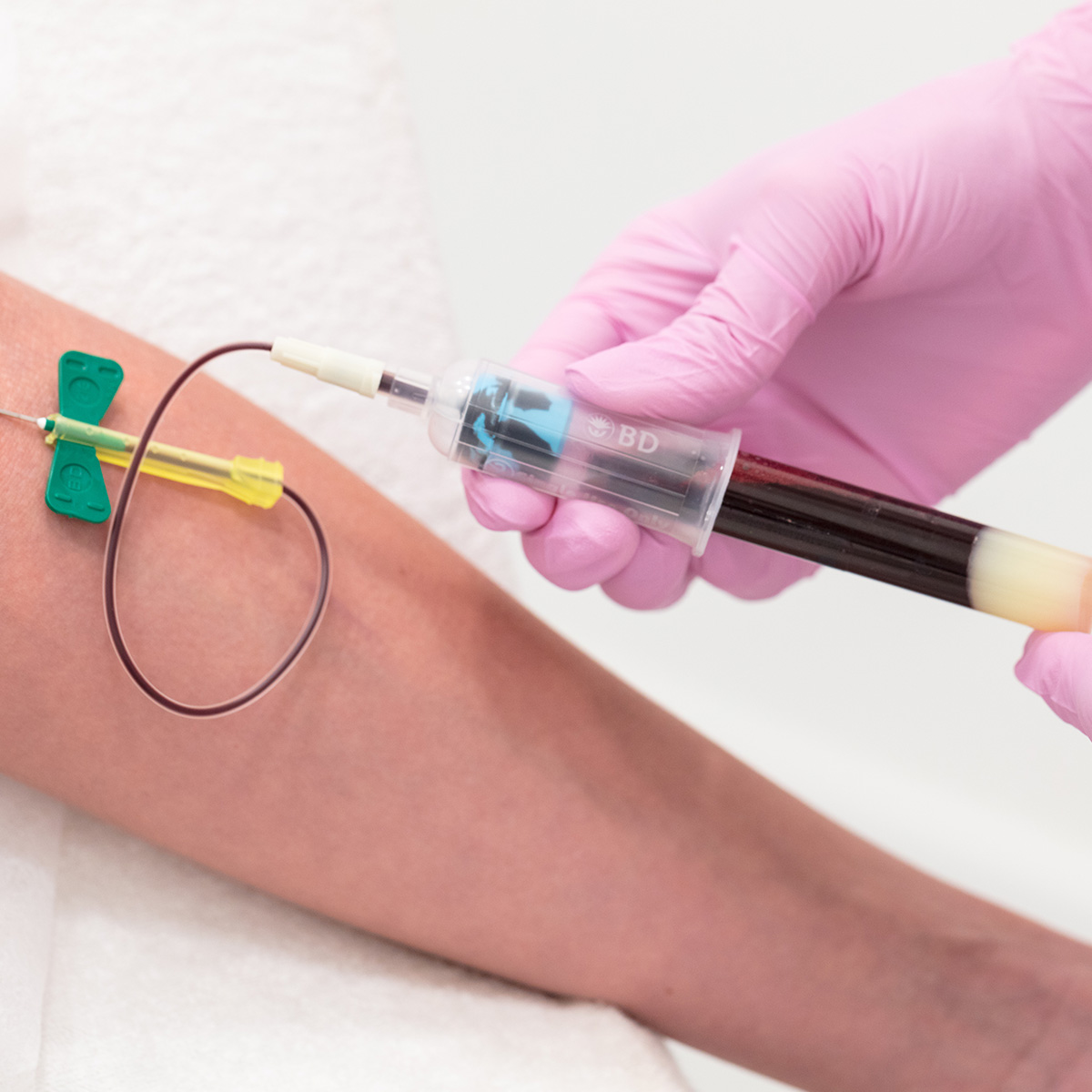
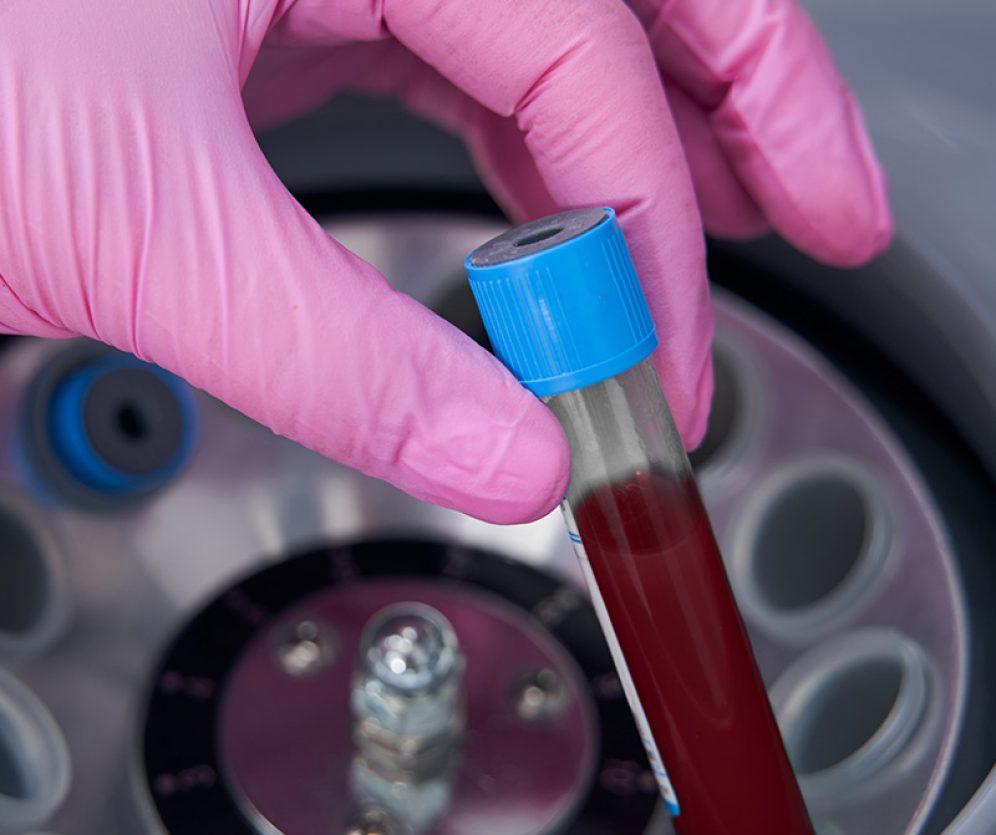
The PRP (Platelet-Rich Plasma) procedure involves taking a small amount of the patient's blood, centrifuging it in a special device to isolate platelet-rich plasma, and then administering it to the area requiring regeneration. Plasma contains growth factors that support regenerative processes and accelerate healing.
Platelet-rich plasma supports tissue regeneration, reduces pain and inflammation, and accelerates the healing of tendon, ligament, muscle, and joint damage. In orthopedics, PRP is particularly valued for its ability to treat conditions such as Achilles tendonitis, ligament injuries, and degenerative joint changes.
The PRP procedure is considered very safe because the plasma comes from the patient's own blood, which eliminates the risk of allergic reactions and rejection. The procedure is minimally invasive, and any side effects, such as slight redness or swelling at the injection site, usually disappear within a few days.
The number of treatments required depends on the type of condition and the extent of tissue damage. A series of 2–3 treatments performed at intervals of 2–4 weeks is usually recommended, although in some cases a single treatment is sufficient. The doctor will determine an individual treatment plan based on the patient's needs.
Do you have any questions?
Contact us
Władysława Syrokomli 46,
51-141 Wrocław
Mon–Fri: 9:00 AM – 5:00 PM Sat–Sun: Closed
Call :+48 666 850 666