

Broken Capillaries
Indications
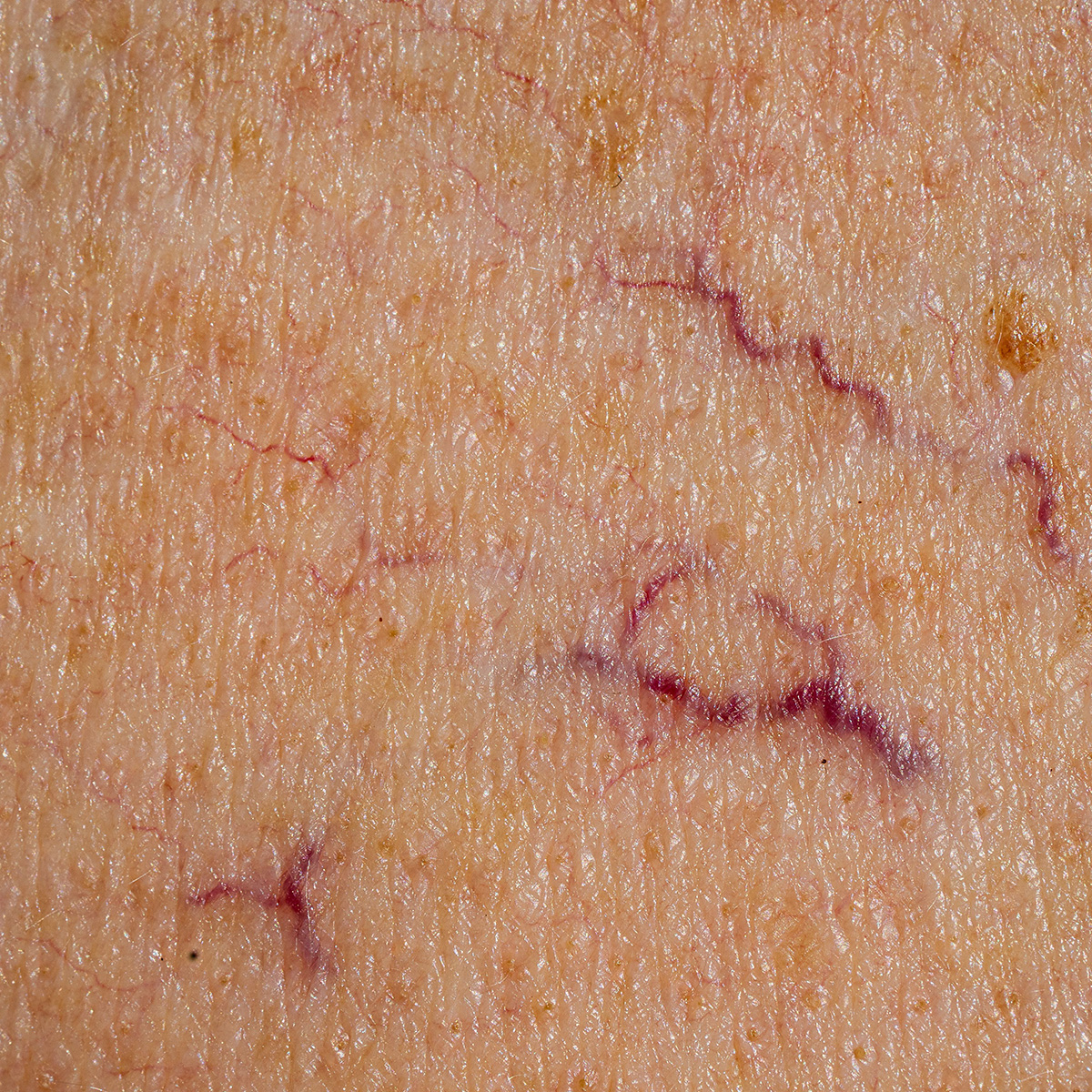
Broken capillaries on the face, especially around the nose, cheeks, and chin, are an indication for treatment. Visible “spider veins” can be the result of genetics, skin hypersensitivity, or exposure to external factors such as the sun. Laser therapy or IPL (Intense Pulsed Light) treatments effectively reduce the visibility of capillaries and improve the appearance of the skin.
Broken capillaries on the legs, often caused by prolonged standing, pregnancy, or genetic predisposition, are an indication for treatments such as sclerotherapy or vascular laser therapy. These treatments help to close the capillaries, improving the appearance of the skin and preventing further development of the problem.
Patients with rosacea who have visible capillaries against a background of erythema can benefit from therapies that eliminate their visibility. Treatment with laser or IPL reduces redness and reduces the visibility of small blood vessels, improving the appearance and comfort of the skin.
Sensitive skin, susceptible to factors such as temperature changes, wind, or strong cosmetics, often leads to the formation of visible capillaries. Treatments that close capillaries, combined with proper care, help strengthen the epidermal barrier and improve the appearance of the skin. Regular dermatological consultations help prevent the problem from recurring.
Reasons
Broken capillaries, also known as telangiectasia, are caused by weakening of the blood vessel walls, which leads to their dilation and visibility on the skin surface. The causes may include genetic predisposition, hormonal changes, prolonged exposure to the sun, low temperatures, or improper skin care. Internal factors such as hypertension, poor diet, or excessive alcohol consumption also contribute to their formation.
Treatment methods
The treatment of telangiectasia involves a variety of procedures that effectively reduce the visibility of blood vessels. Laser therapy and IPL (Intense Pulsed Light) treatments are the most commonly chosen because they precisely close blood vessels without damaging the surrounding skin. Alternatively, electrocoagulation is used, which involves closing the vessels with electricity. In some cases, a dermatologist may also recommend specialized creams or serums to strengthen the capillaries.
Prevention and skin care
To prevent new broken capillaries from forming, avoid factors that promote their dilation, such as intense sun exposure, saunas, and hot baths. In your daily skincare routine, it is worth using gentle cosmetics designed for couperose skin, which strengthen the walls of blood vessels and soothe irritation. It is also essential to regularly use creams with a high SPF filter and avoid products containing alcohol or acids, which can weaken the skin. Regular visits to a dermatologist help to monitor the condition of the skin and implement appropriate treatment methods.
Frequently asked questions
Our patients before surgery
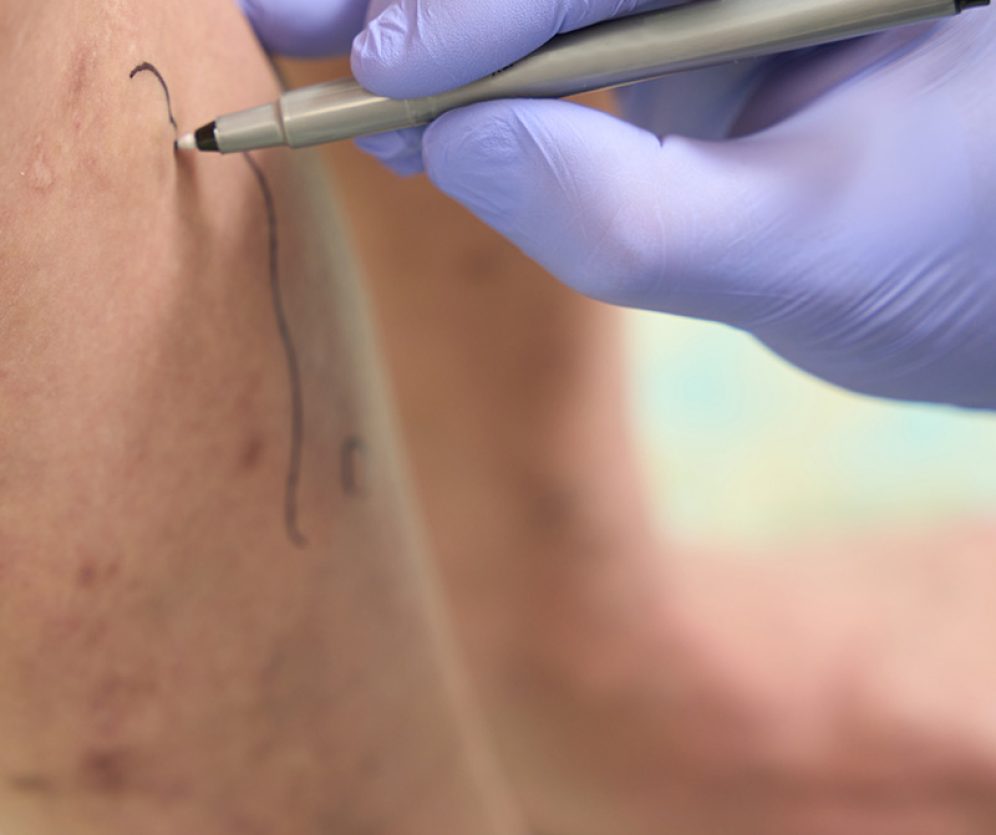
The treatment for removing broken capillaries involves closing dilated or broken blood vessels using laser technology or electrocoagulation. Light energy or electric current precisely closes the vessel without damaging the surrounding tissue, improving the appearance of the skin.
Most patients experience only a slight burning or tingling sensation during the procedure. Local anesthesia can be used if you have a low pain threshold. After the procedure, the skin may be slightly reddened, but these symptoms quickly subside.
The treatment is recommended for people with visible spider veins on the face, legs, or other parts of the body resulting from dilated blood vessels. Other indications may include erythema, hemangiomas, and even localized skin changes associated with rosacea.
After the procedure, avoid sun exposure and use creams with a high UV filter (SPF 50). Moisturize your skin and protect it from irritation, and avoid saunas, hot baths, and intense physical activity for a few days. Your doctor will discuss all detailed care recommendations during your visit.
Do you have any questions?
Contact us
Władysława Syrokomli 46,
51-141 Wrocław
Mon–Fri: 9:00 AM – 5:00 PM Sat–Sun: Closed
Call :+48 666 850 666