

Rosacea
Indications
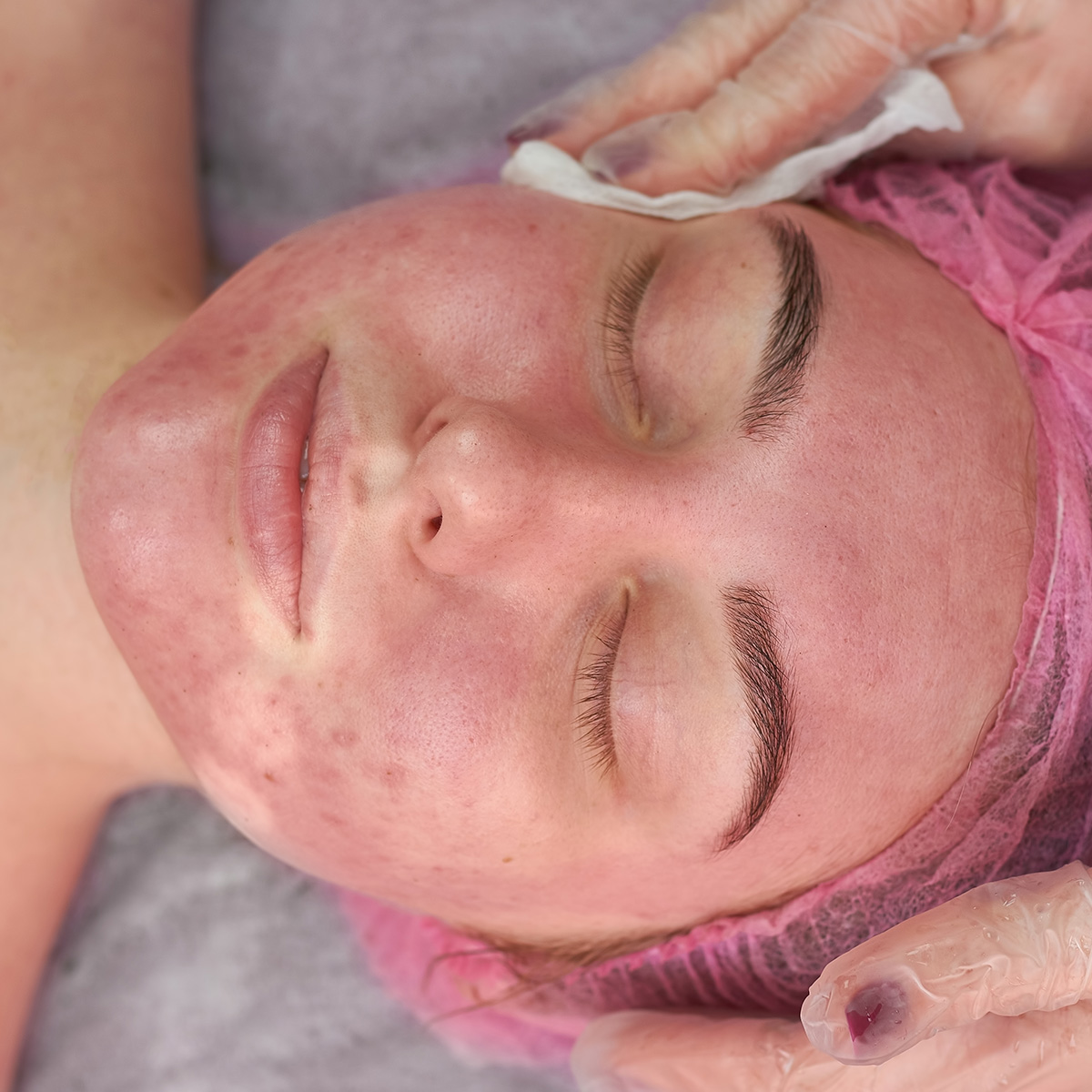
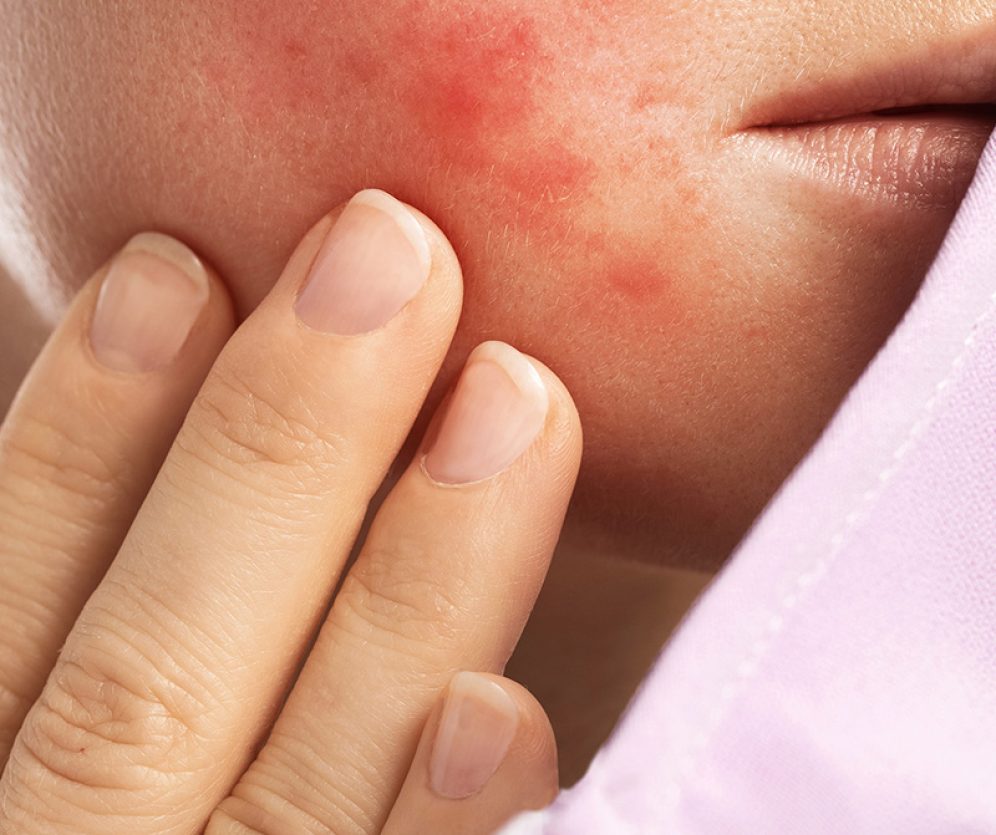
Rosacea is an indication for dermatological treatment in cases of persistent facial erythema, especially around the nose, cheeks, forehead, and chin. The condition often worsens under the influence of factors such as stress, temperature changes, or sun exposure. Treatment aims to reduce inflammation, reduce redness, and improve the patient's quality of life.
Enlarged blood vessels on the face, typical of rosacea, are another indication for therapy. Laser treatments, such as IPL (Intense Pulsed Light), effectively reduce the visibility of blood vessels and improve the appearance of the skin. Combined with proper care and topical medications, the effects of treatment are long-lasting.
Patients with rosacea often develop papules and pustules that resemble acne lesions, but are actually the result of chronic inflammation. Treatment includes topical anti-inflammatory preparations such as metronidazole or azelaic acid, and in more severe cases, oral antibiotics. The goal is to reduce lesions and prevent recurrence.
In advanced stages of rosacea, the sebaceous glands on the nose may become enlarged, leading to skin deformation (rhinophyma). Treatment includes laser therapy, dermabrasion, or surgical removal of the enlargements. Early intervention prevents the disease from progressing and improves facial aesthetics.
Factors that aggravate rosacea
Rosacea can be exacerbated by many external and internal factors. The most common include stress, temperature changes, intense physical exercise, hot drinks, alcohol, and spicy foods. UV radiation, wind, and the use of harsh cosmetics can also exacerbate symptoms. Identifying and avoiding these factors is key to controlling the disease.
The importance of diet in rosacea treatment
Diet plays an important role in alleviating the symptoms of rosacea. Avoiding foods that can cause skin inflammation, such as processed foods, alcohol, and caffeine, can bring about improvement. Foods rich in antioxidants and omega-3 fatty acids are recommended, as they have anti-inflammatory properties and support skin regeneration. Regular consultations with a dermatologist and dietitian can help you develop a nutrition plan to support your treatment.
Modern methods of treating rosacea
In addition to traditional treatments, modern dermatology offers advanced therapies such as laser therapy and IPL (Intense Pulsed Light) treatments, which reduce erythema and telangiectasia. In more advanced cases, photodynamic therapy or the use of VEGF inhibitors, which reduce blood vessel hyperreactivity, may be considered. These innovative methods often produce faster and longer-lasting results in controlling the symptoms of rosacea.
Frequently asked questions
Our patients before surgery
Treatment for rosacea may include laser therapy, IPL (intense pulsed light), chemical peels, mesotherapy, or the use of specialized topical preparations. These treatments reduce redness, minimize the appearance of blood vessels, and alleviate inflammation. Treatment is tailored individually depending on the severity of the condition.
Most treatments, such as laser therapy or IPL, involve a sensation of warmth or mild burning, which is well tolerated by patients. If necessary, local anesthesia can be used to make the treatment more comfortable.
The treatment of rosacea requires time and consistency. A series of 3–6 treatments performed at intervals of 2–4 weeks is usually recommended. Visible effects can be noticed after just a few sessions, but the final results depend on the condition of the skin and the therapy used.
After the procedure, treat your skin gently: avoid irritating cosmetics, strong exfoliants, and hot baths. It is important to use creams with a high SPF to protect the skin from the sun, as well as moisturizing products recommended by a specialist. You should also avoid exposure to irritants such as alcohol or spicy foods, which can exacerbate symptoms.
Do you have any questions?
Contact us
Władysława Syrokomli 46,
51-141 Wrocław
Mon–Fri: 9:00 AM – 5:00 PM Sat–Sun: Closed
Call :+48 666 850 666