

Atopic Dermatitis
Indications
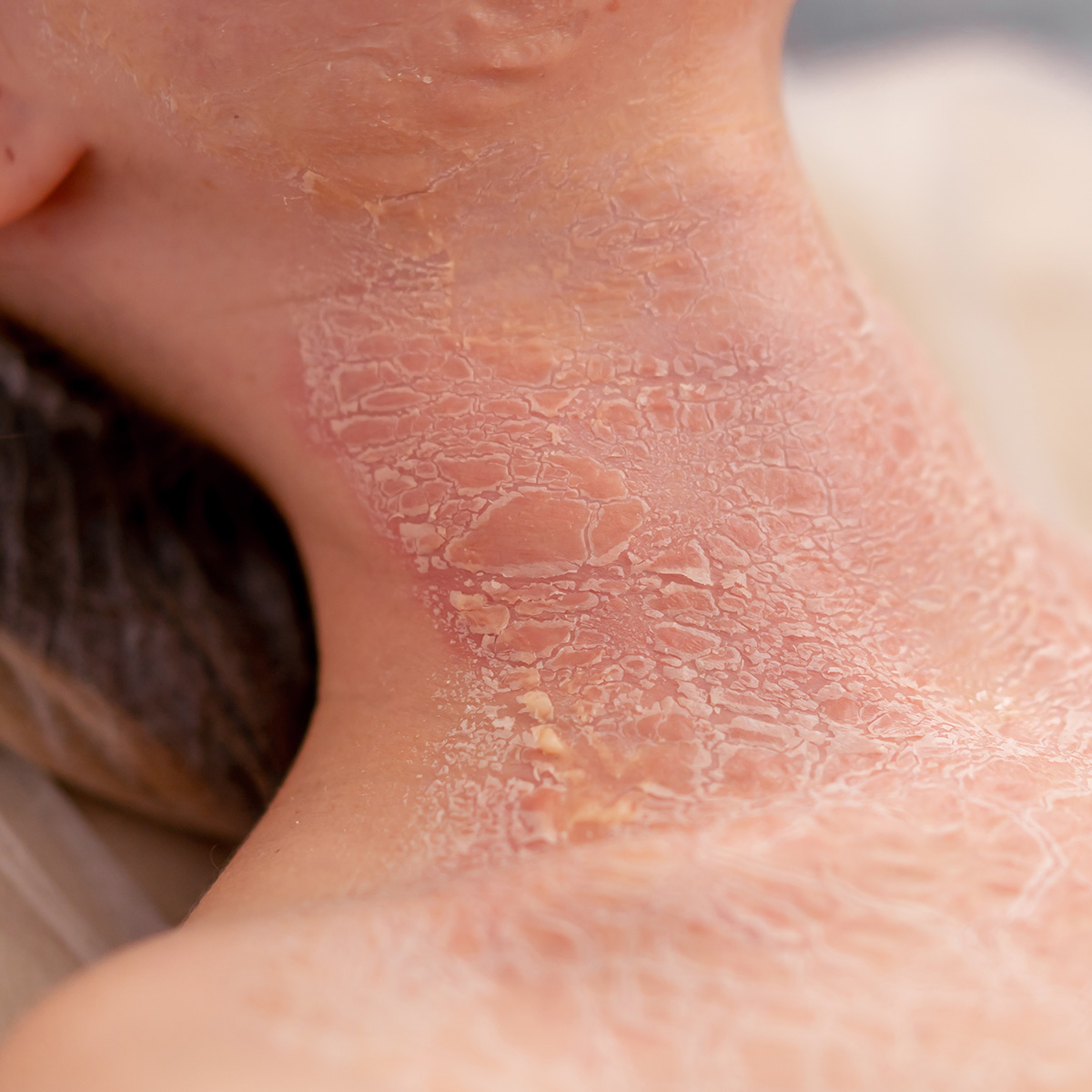
Atopic dermatitis (AD) is indicated for treatment when the patient experiences persistent itching and dry skin, especially in areas such as the elbows, knees, neck, and face. These symptoms lead to discomfort and frequent scratching, which can exacerbate skin lesions and cause secondary infections.
People with AD often struggle with recurring inflammatory changes such as redness, swelling, flaking, and blisters. Treatment aims to relieve inflammation, improve skin condition, and prevent recurrence of the disease.
Patients with AD have a weakened skin barrier, which makes them more susceptible to bacterial, viral, and fungal infections. Symptoms such as oozing lesions, worsening erythema, or the appearance of blisters are indications for more intensive dermatological treatment.
Atopic dermatitis, especially in severe forms, significantly affects patients' quality of life, causing sleep problems, irritability, and low mood. Dermatological treatment, including topical and systemic therapy as well as patient education on skin care, is necessary to improve quality of life and reduce symptoms.
Diagnosis
A dermatologist begins the diagnosis of AD with a detailed interview, which includes questions about symptoms, their severity, duration, and factors that may exacerbate them, such as allergens, stress, or weather changes. They also gather information about a family history of skin diseases, other atopic conditions such as asthma or allergic rhinitis, and the methods of care and treatment used to date. They then conduct a thorough examination of the skin, assessing its structure, moisture levels, the presence of redness, flaking, or cracks, as well as the typical location of lesions, such as the elbow and knee bends or the face.
Pharmacological treatment
The use of topical anti-inflammatory medications, such as corticosteroids and calcineurin inhibitors, helps reduce inflammation and alleviate skin lesions. Corticosteroids quickly reduce redness, and calcineurin inhibitors are safe for delicate areas of the skin. Oral antihistamines relieve itching, preventing scratching and secondary infections. The therapy is tailored by a dermatologist to effectively support regeneration and improve the patient's quality of life.
Skin care
Daily use of emollients is a key element in the care of atopic skin, moisturizing, lubricating, and strengthening its protective barrier, protecting against moisture loss and irritation. It is equally important to avoid irritants such as strong detergents, rough fabrics, and synthetic clothing, which can worsen the condition of the skin. Such regular care reduces the risk of AD flare-ups, alleviates symptoms, and improves the patient's daily comfort.

Frequently asked questions
Our patients before surgery
Treatment for atopic dermatitis (AD) involves the use of emollients, which moisturize and regenerate the skin, and topical medications such as corticosteroids or calcineurin inhibitors, which relieve inflammation. In advanced cases, systemic therapies such as immunosuppressive or biological drugs are used, as well as phototherapy, which helps reduce symptoms and improve skin condition.
Treatment for AD is usually painless and focuses on relieving symptoms such as itching, redness, and dry skin. Some therapies, such as phototherapy, may cause a slight feeling of warmth or tightness in the skin, but are well tolerated by patients.
The treatment of AD is a long-term process, as the disease is chronic and recurrent. Symptoms can be effectively controlled with regular use of recommended preparations and treatments. The time needed for improvement depends on the severity of symptoms and the individual patient's response to therapy.
Skin affected by AD requires daily use of emollients, which moisturize and strengthen the protective barrier. It is important to avoid irritating cosmetics, hot baths, and contact with allergens that can exacerbate symptoms. Your doctor may also recommend specialized cleansing products and avoiding stressors that can aggravate the condition.
Do you have any questions?
Contact us
Władysława Syrokomli 46,
51-141 Wrocław
Mon–Fri: 9:00 AM – 5:00 PM Sat–Sun: Closed
Call :+48 666 850 666