

Acne Treatment
Indications
Acne treatment is recommended in cases of inflammatory lesions such as papules, pustules, or cysts. These lesions can lead to scarring if not treated properly. Topical therapy (e.g., retinoids, benzoyl peroxide) or oral therapy (antibiotics, isotretinoin) can effectively inhibit inflammation.
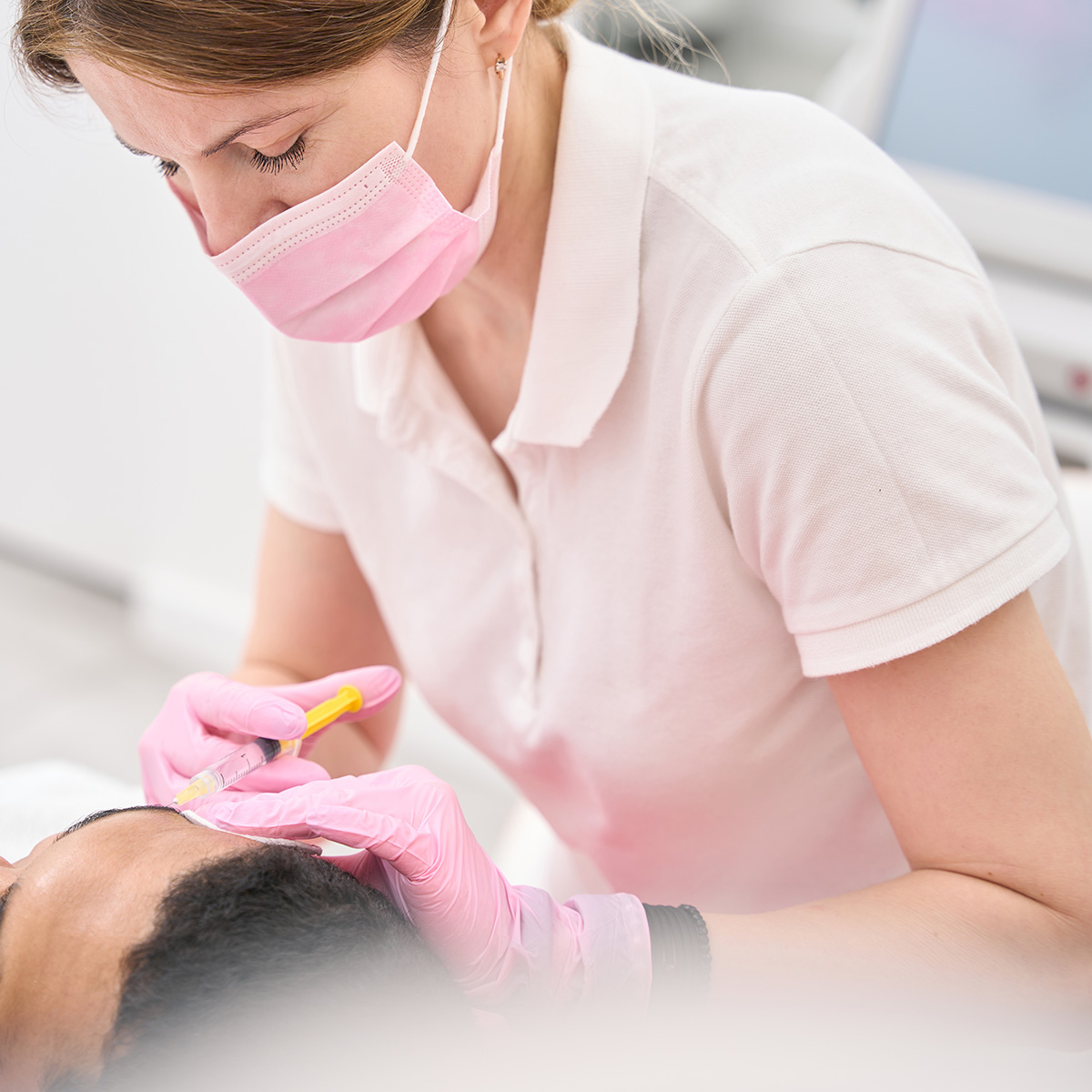
Bruxism, manifested by teeth grinding at night, can lead to enamel abrasion, tooth fractures, and dental problems. Treatment with botulinum toxin reduces muscle pressure, protecting teeth from further damage. It is an effective method of eliminating the cause of the problem.
If acne causes scarring or discoloration, it is necessary to implement a treatment that not only eliminates active lesions but also improves the appearance of the skin. In such cases, chemical peels, laser therapy, or microneedling are used in combination with appropriate dermatological preparations.
Acne that does not respond to over-the-counter preparations or worsens despite basic care requires the intervention of a dermatologist. Specialist treatment includes topical and systemic therapies, such as oral isotretinoin, which is effective in severe cases. Early treatment prevents complications such as scarring and long-term pigmentation changes.
Treatments supporting acne treatment
Dermatological treatments can significantly support acne treatment, especially in the case of scars or lesions that are resistant to therapy. Popular methods include chemical peels with salicylic or glycolic acid, laser therapy to reduce inflammation and scars, and treatments using LED light with antibacterial properties. Regular skin cleansing by a specialist helps to unblock pores and reduce the risk of new lesions forming.
The importance of skincare and lifestyle in treating acne
Proper care of acne-prone skin is crucial for successful treatment. Use gentle, alcohol-free cleansers and moisturizing creams that do not clog pores. It is also important to avoid aggravating factors such as stress, an unhealthy diet rich in trans fats and simple sugars, and frequent touching of the face. A healthy lifestyle and proper hygiene can significantly support the effects of dermatological therapy.
Skin regeneration
Regular dermatological check-ups are crucial for maintaining the effects of acne treatment and preventing its recurrence. Thanks to regular visits, the doctor can monitor the condition of the skin, adjust the therapy to its current needs, and make changes to the skincare routine in response to any new problems. In addition, a specialist can help you choose the right cosmetics to support skin regeneration, minimize the risk of clogged pores, and protect against irritation. Educating patients about proper skincare habits and identifying potential aggravating factors, such as diet, stress, or inappropriate cosmetics, play an equally important role in maintaining the long-term effects of therapy. As a result, regular cooperation with a dermatologist allows you to enjoy healthy skin and minimize the risk of scarring and discoloration.
Frequently asked questions
Our patients before surgery
Acne treatment can involve various methods, including topical therapies, laser treatments, chemical peels, and microneedling. These treatments aim to reduce sebum production, cleanse pores, alleviate inflammation, and regenerate the skin. The choice of method depends on the type of acne and the individual needs of the patient.
Most treatments are relatively painless or painless. With methods such as laser therapy or microneedling, patients may experience a slight burning or tingling sensation. For people with a low pain threshold, local anesthesia is used to ensure comfort during the procedure.
Visible effects may appear after just a few treatments, but a series of 4–6 sessions performed at specific intervals is usually recommended. The number of treatments required depends on the severity of the acne, the type of treatment chosen, and the individual characteristics of the skin.
After the procedures, the skin requires proper care: use gentle cleansing products, avoid cosmetics containing alcohol, and protect the skin from the sun by using SPF 50 sunscreen. Your doctor may also recommend products that support regeneration and soothe any irritation.
Do you have any questions?
Contact us
Władysława Syrokomli 46,
51-141 Wrocław
Mon–Fri: 9:00 AM – 5:00 PM Sat–Sun: Closed
Call :+48 666 850 666