

Surgical Removal of Moles
Surgical Removal of Moles
- Irregularly shaped pigmented moles that change color or size
- Skin changes located in areas exposed to mechanical trauma (e.g., under the bra, at the waist, on the neck)
- Irritating moles that itch, bleed, or grow
- Dermatological recommendation to remove the lesion with further histopathological evaluation
- Aesthetic reasons – e.g., visible moles on the face, neckline, or back
- Pregnancy and breastfeeding (if the change does not raise urgent concerns)
- Skin infections at the site of the planned procedure
- Blood clotting disorders or uncontrolled chronic disease
- Hypersensitivity to local anesthetics
- General poor health, which may hinder healing
- Unrealistic expectations regarding the effects of the procedure
Preparation for the procedure:
The procedure is preceded by a surgical consultation, during which we assess the nature of the lesion and determine whether a histopathological examination is indicated.
No laboratory tests are required unless otherwise recommended by your doctor (e.g., in cases of coagulation disorders).
Please inform us about all medications you are taking, especially anticoagulants, aspirin, and dietary supplements. They should be discontinued at least 7 days before the procedure (with the consent of your attending physician).
On the day of the procedure: the skin should be clean, free of creams or makeup – especially in the case of changes on the face.
Thorough skin hygiene on the day of the procedure (no makeup, creams, lotions)
The course of the procedure
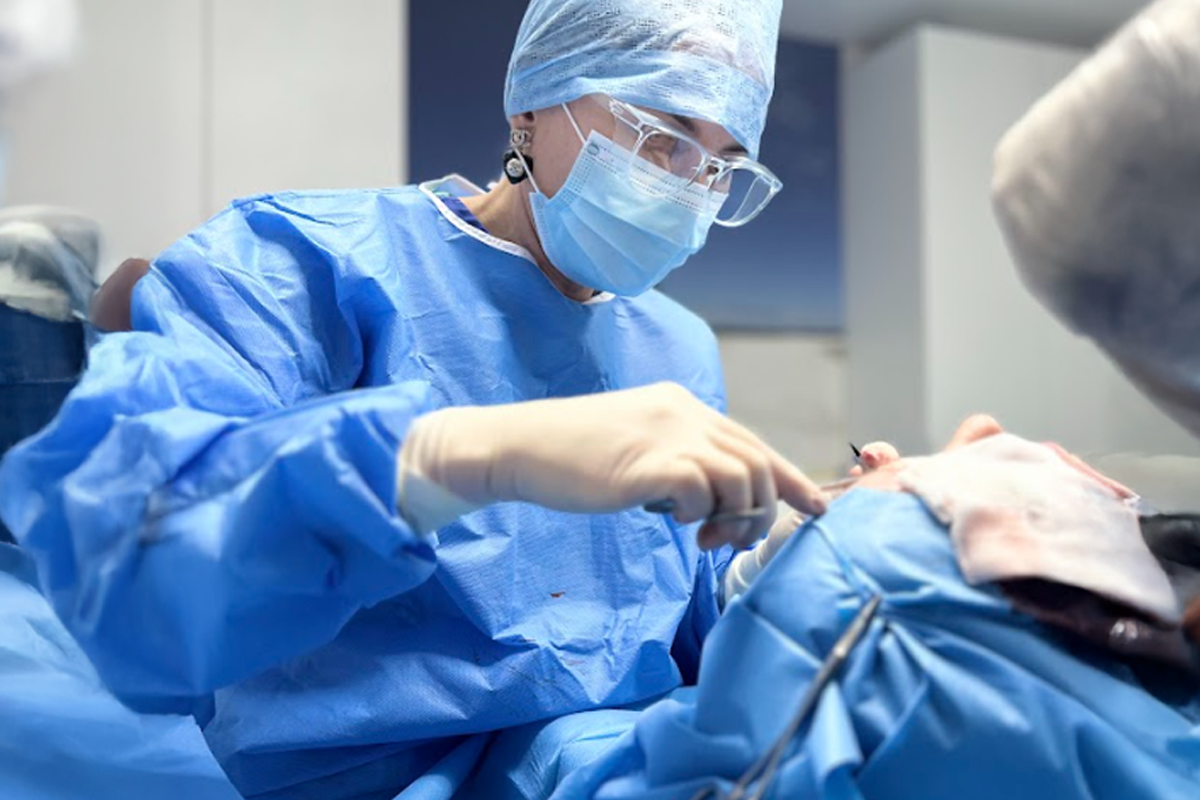
The procedure is performed under local anesthesia and usually takes between 15 and 30 minutes.
The surgeon cuts out the skin lesion with an appropriate safety margin and then applies thin, precise sutures.
The excised lesion may be sent for histopathological examination, depending on prior arrangements.
After the procedure, a protective dressing is applied and the patient can return home on the same day.
There is no need for hospitalization or an accompanying person.
Recovery and post-treatment recommendations:
Slight swelling or redness may occur – this usually subsides after 2–3 days
It is recommended to sleep with your head elevated for the first few days.
The stitches are removed after 7–14 days, depending on the location and skin type.
The scar should be protected from the sun for at least 6 months.
Once the wound has completely healed, we introduce scar massages and recommended preparations to support its maturation.
Physical activity should be limited for 2–3 days after the procedure, and in the case of changes in the limbs – even up to 7 days
Follow-up visits: removal of stitches (7–14 days), scar check (1 and 3 months)
Possible complications and risks:
Surgical removal of a birthmark is a minimally invasive procedure, but like any surgical intervention, it carries a potential risk of complications. At Luna Clinic, procedures are performed in an operating room or sterile treatment room, which significantly reduces the risk of adverse reactions. The most commonly observed complications are:
bleeding or hematoma – especially in highly vascularized lesions,
wound infection – possible in the event of improper post-treatment care,
allergic reaction to anesthetics,
hypertrophic or discolored scar – especially in patients with a tendency to abnormal healing,
insufficient aesthetic effect – which may require further correction or local treatment.
All patients are individually qualified for the procedure, and the Luna Clinic team provides detailed information about the possible healing process and further stages of care.
Frequently asked questions
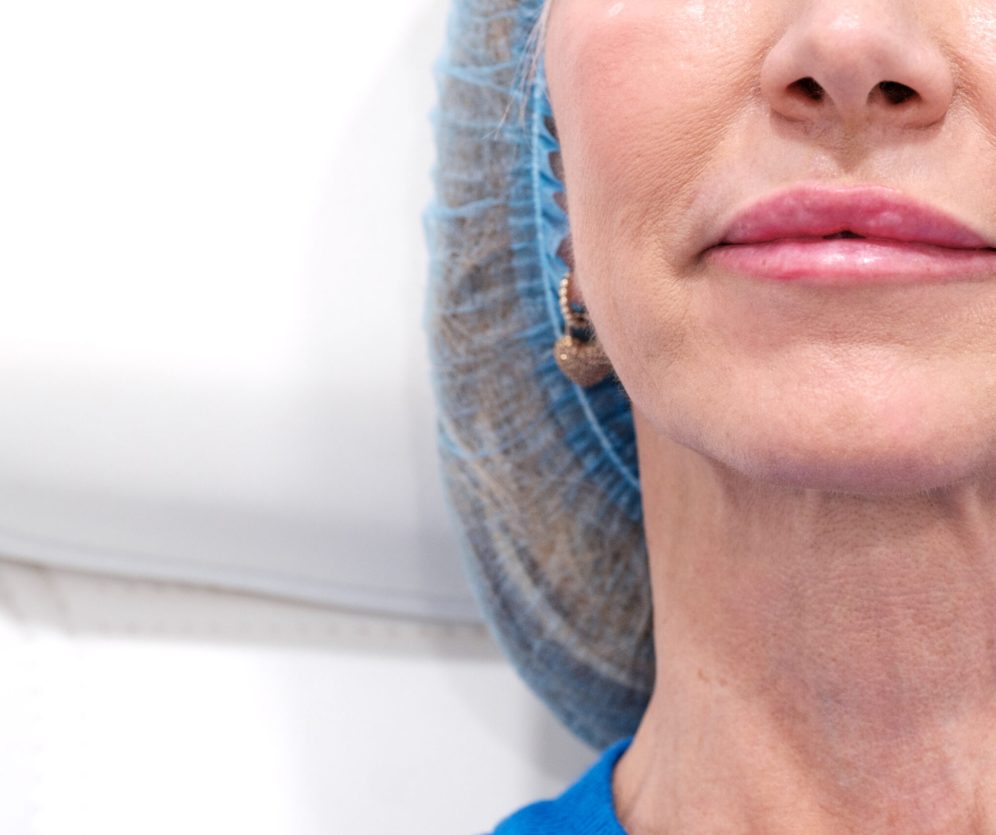
Our patients before surgery
No. The procedure is performed under local anesthesia – the patient may only feel slight pressure during the administration of the anesthetic.
No. We perform the examination on the express recommendation of a physician or if the patient so desires. In the case of suspicious changes, histopathology is mandatory.
Yes – every surgical procedure leaves a mark. However, thanks to precise suturing and individual post-operative recommendations, the scar is usually thin and becomes less visible over time.
Usually between 15 and 30 minutes, depending on the size and location of the lesion.
Yes, if there are no contraindications, it is possible to remove several moles in a single procedure.
You can usually resume your daily activities the next day. Physical exertion, stretching, or pressure on the treatment site should be limited for a few days, as recommended by your doctor.
Yes, provided that the change was not removed from the limbs or other areas affecting freedom of movement.
No. The procedure is performed under local anesthesia—there is no need to skip meals.
No. For at least 6 months, you should protect the area where the mole was removed from the sun to avoid discoloration.
Do you have any questions?
Get in touch with us
Władysława Syrokomli 46,
51-141 Wrocław
Mon-Fri: 09:00 - 17:00
Saturday - Sunday: closed
Call :+48 666 850 666