

Removal of Implants
Breast implant removal
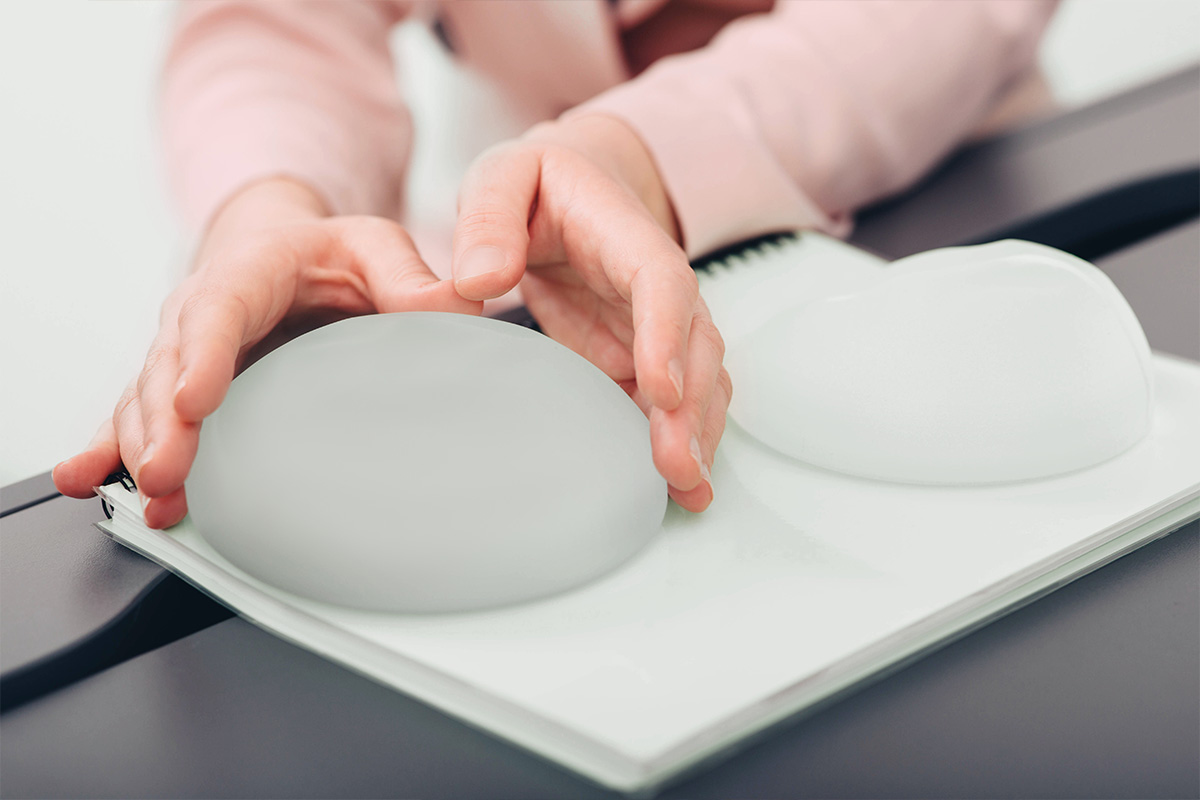
- Desire to remove implants for personal or aesthetic reasons
- Damage to the implant (e.g., fracture, leak)
- Noticeable thickening, fibrous capsule (capsular contracture)
- Dissatisfaction with the shape/breasts with implants
- Pain or discomfort in the breast area
- Change in the patient's aesthetic preferences
- Past or planned cancer treatment
- Active infections of the skin or breast tissue
- Uncontrolled chronic diseases (e.g., diabetes, hypertension)
- Blood clotting disorders
- Pregnancy and breastfeeding (procedure planned after the end of lactation)
- Unresolved general illnesses or poor laboratory test results
Effects of the treatment
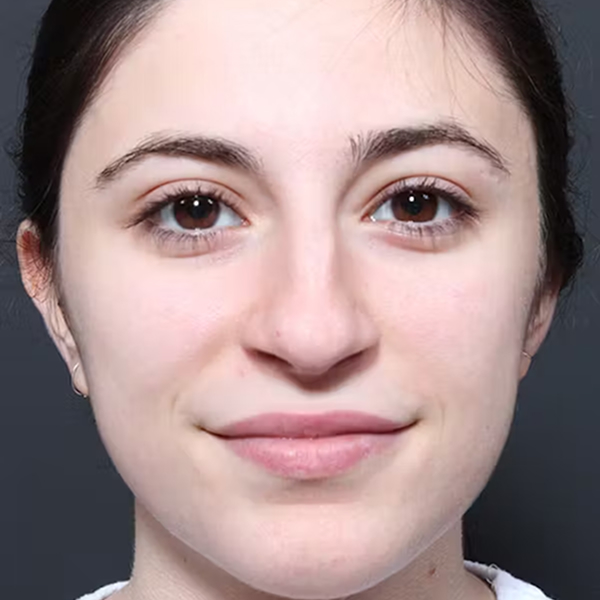
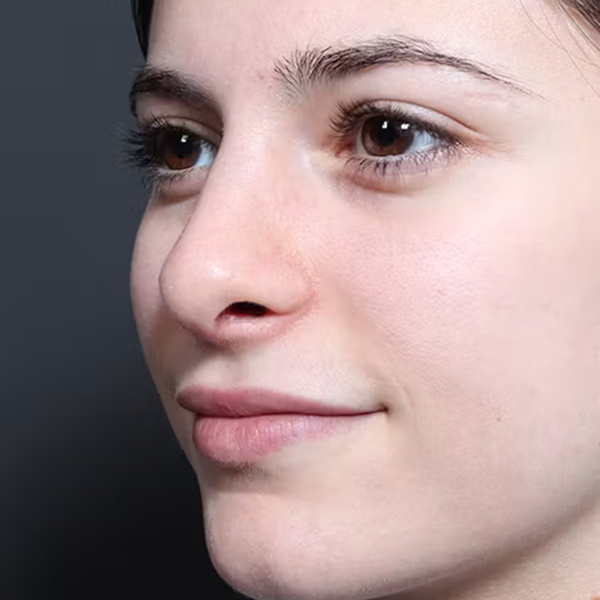
Facelift
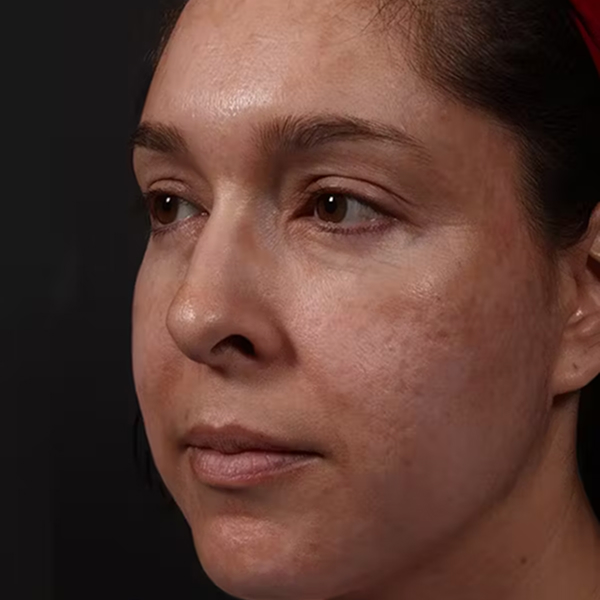
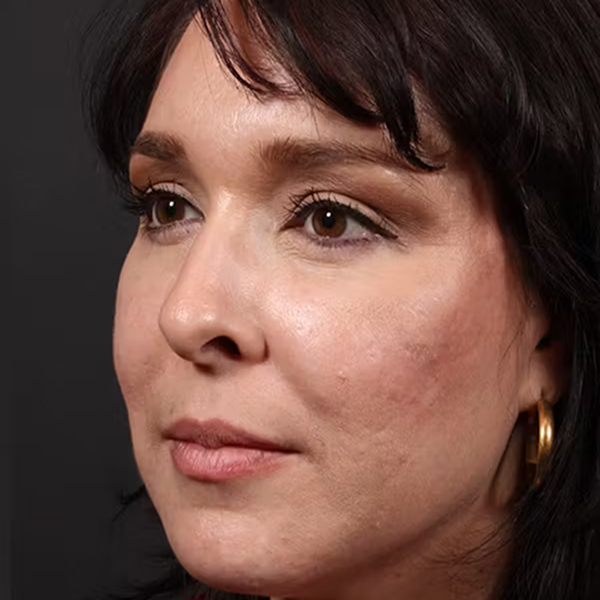
Facelift
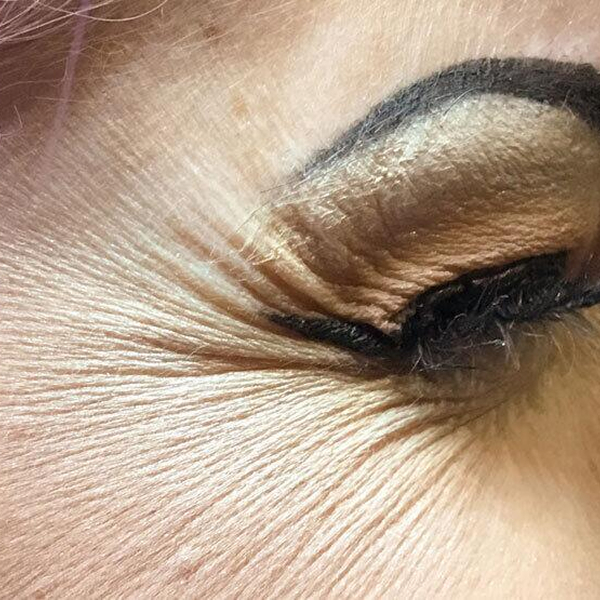
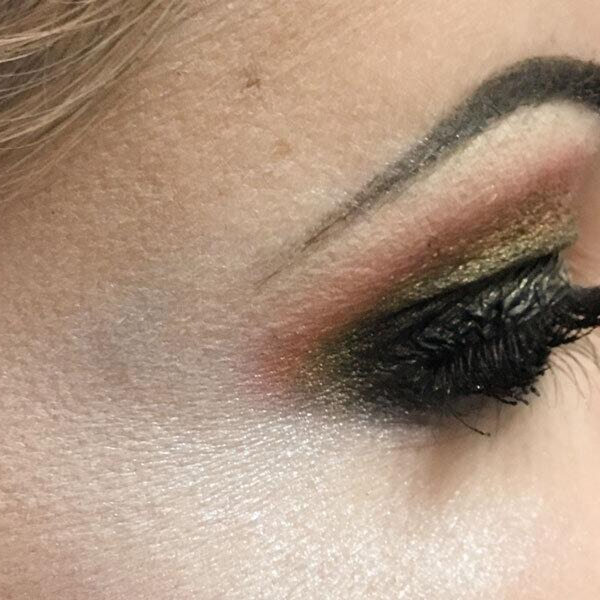
Facelift
Preparation for the procedure:
Surgical consultation – discussion of expectations, treatment options (removal alone vs. with mastopexy or lipofilling)
Laboratory tests
Discontinuation of anticoagulants at least 14 days prior to surgery (after consulting a physician)
Avoid alcohol and smoking for at least 14 days before surgery.
On the day of the procedure – personal hygiene, no creams or lotions in the breast area
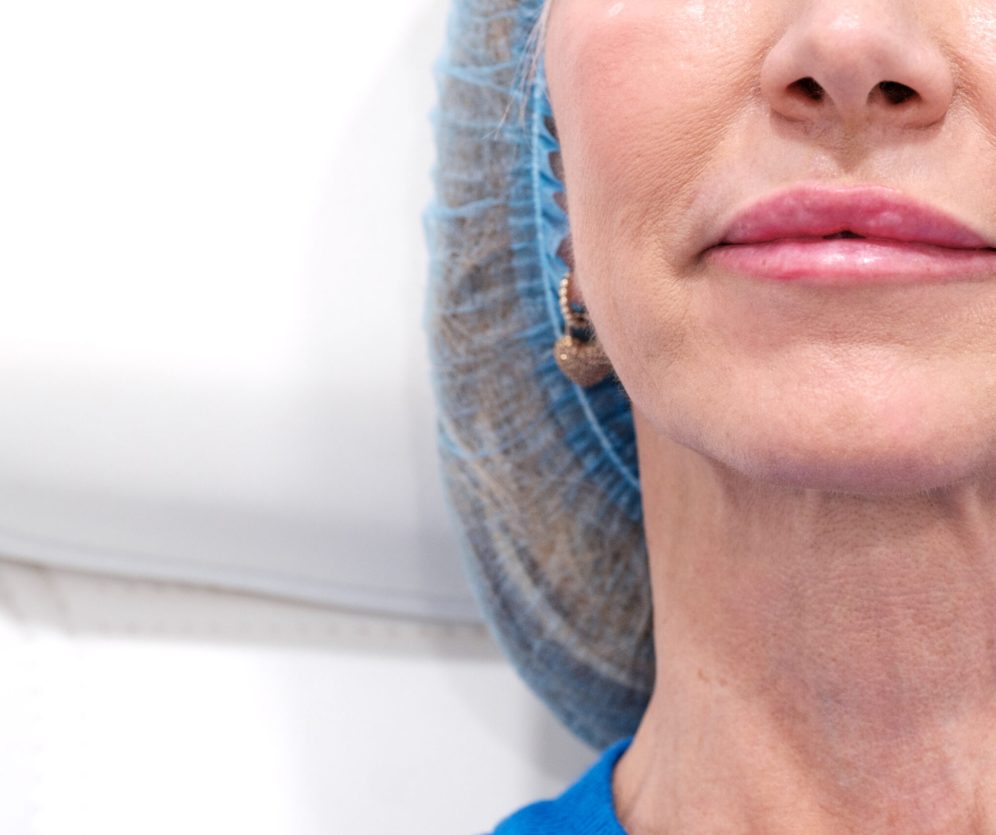
The course of the procedure
Performed under general anesthesia
Duration: 1–3 hours depending on scope
Removal alone: the surgeon removes the implants through existing incisions (usually in the inframammary fold or around the areola).
Z mastopeksją: dodatkowo usuwa nadmiar skóry i modeluje pierś, aby poprawić kształt i położenie brodawki
With lipofilling: fat is harvested from selected areas (e.g., abdomen, thighs), purified, and transplanted to the breast to partially restore volume.
Sutures and modeling dressings are applied.
Recovery and post-treatment recommendations:
Swelling and bruising may persist for several weeks.
Wearing a shaping/compression bra for a minimum of 4–6 weeks
Avoid strenuous physical activity for at least 4–6 weeks.
No sunbathing on scars for at least 6 months
Recommendation for massage and use of scar maturation aids (as recommended by the surgeon)
Follow-up visits: usually after 1, 3, 6, and 12 months
Possible complications and risks:
Hematoma or bleeding requiring drainage
Infection requiring antibiotic therapy
Transient or rarely persistent sensory disturbances in the face or auricle
Hypertrophic or discolored scars – minimized thanks to precise suturing techniques
Asymmetry requiring correction
Prolonged swelling or bruising
Unsatisfactory aesthetic result requiring possible reoperation
Frequently Asked Questions
Our patients before the procedure Implant removal
Yes – the procedure is performed under general anesthesia.
Not always—it depends on the condition of your skin and the size of the implants. We discuss this individually during the consultation.
This is a transfer of your own fat to the breast – it helps to partially restore volume after implant removal.
Old incisions are most commonly used. Mastopexy scars are longer, but carefully planned and sutured.
Sagging may occur – in which case we recommend mastopexy or lipofilling.
Approximately 4–6 weeks until returning to full physical activity.
Yes—it is a transplant of your own tissue, which minimizes the risk of rejection.
Yes, it is possible if the patient wants it and there are no contraindications.
The implants can be left in place or replaced with smaller ones. A mastopexy alone is also possible.
Removal of implants is permanent. The outcome of mastopexy or lipofilling depends on tissue quality and aging.
Do you have any questions?
Get in touch with us
Władysława Syrokomli 46,
51-141 Wrocław
Mon-Fri: 09:00 - 17:00
Saturday - Sunday: closed
Call :+48 666 850 666