

Liposuction
Liposuction
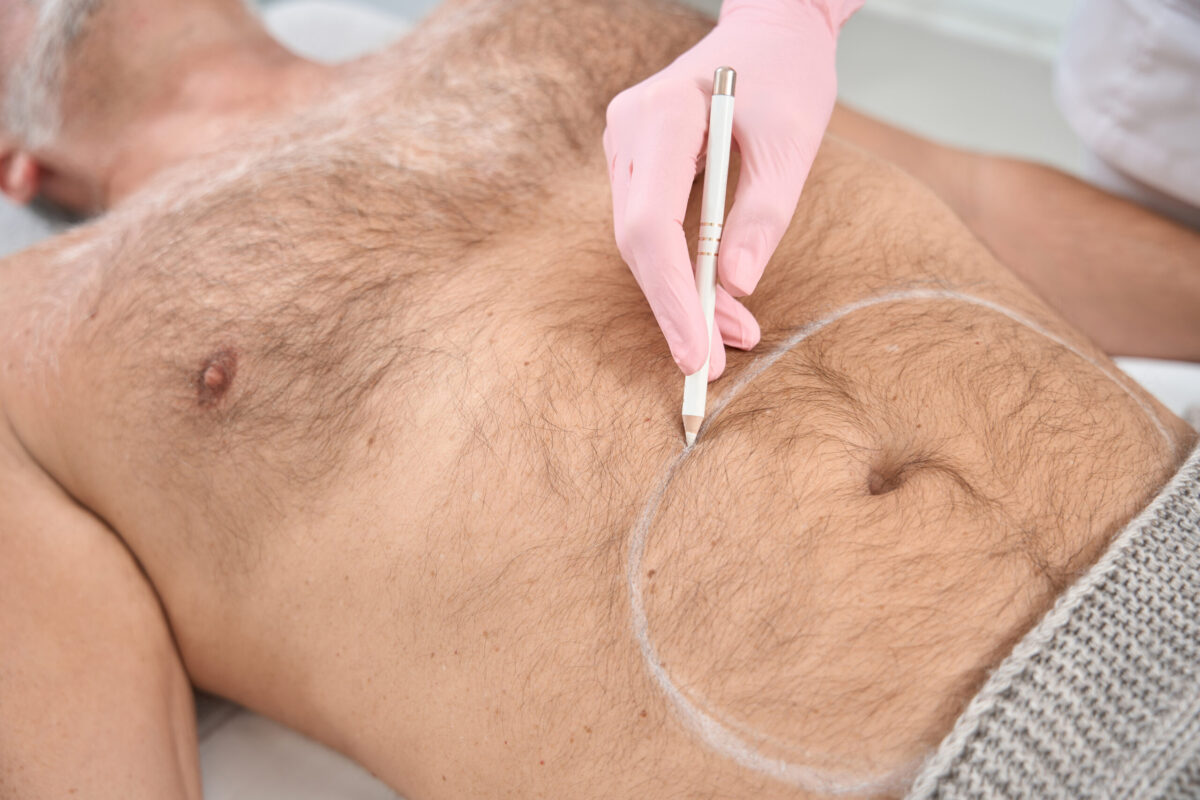
- Localized fat deposits that are resistant to diet and exercise
- Fat folds around the abdomen, sides, waist, thighs, knees, back, or arms
- Body contouring in patients after pregnancy or significant weight loss
- Asymmetry of the figure caused by uneven fat distribution
- Complement to other plastic surgery procedures (e.g., tummy tuck, thigh lift)
- Active skin infections on the face or neck
- Uncontrolled chronic diseases (e.g., diabetes, hypertension)
- Blood clotting disorders
- Severe general medical conditions that preclude general anesthesia
- Allergy to anesthetics
- Unrealistic expectations regarding the effects of the procedure
Preparation for the procedure:
Consultation with a plastic surgeon to determine eligibility, discuss expectations, and plan the procedure
Laboratory tests
Discontinuation of anticoagulants at least 14 days prior to surgery (after consulting a physician)
Avoid alcohol and smoking for at least 14 days before the procedure – for better healing.
Thorough facial skin hygiene on the day of the procedure (no makeup, creams, lotions)
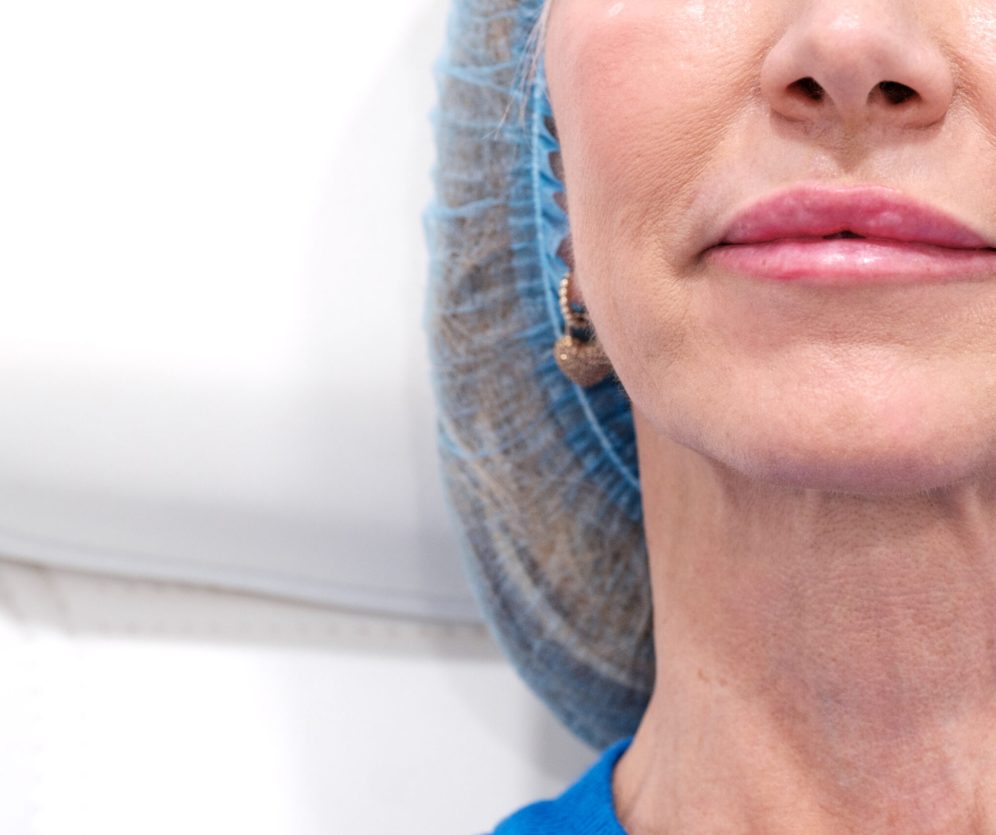
The course of the procedure
The procedure is performed under general anesthesia by a plastic surgery specialist.
The incisions are made in natural skin creases – in front of and behind the ear, sometimes with an additional incision under the chin (in cases of advanced neck sagging).
The SMAS (superficial musculoaponeurotic system) layer is precisely tightened and lifted.
Excess skin is removed and the incision lines are closed with great care to ensure aesthetic scarring.
The whole process usually takes about 2–3 hours.
The patient remains under the care of the clinic – usually 1 day of hospitalization.
Recovery and post-treatment recommendations:
Swelling and bruising are natural and will subside within 2–4 weeks.
It is recommended to sleep with your head elevated for the first few days.
Dressings and sutures cared for according to the doctor's recommendations
Sutures are usually removed after 7–14 days.
Avoid strenuous physical activity and bending over for at least 4–6 weeks.
No sunbathing or solarium use for at least 6 months – SPF 50 protection required
Once fully healed, scar massage and preparations to aid scar maturation may be introduced, as recommended by your doctor.
Follow-up visits: approximately 1 month after the procedure, then after 3, 6, and 12 months
Possible complications and risks:
Hematoma, infection, prolonged healing
Unevenness, asymmetry, or fibrosis
Skin discoloration
Excess loose skin (especially with large liposuction)
Rarely – thrombosis, fat embolism (in case of improper post-operative care)
Frequently asked questions
Our patients before the procedure Body Liposuction
No, liposuction is not a weight loss method. It is a body contouring procedure.
The safe volume is a maximum of 4–5 liters. A larger area requires spreading out the treatments.
Not in the area where it was removed. But with significant weight gain, fat can accumulate in other areas.
It depends on the elasticity of the skin. In some cases, it is necessary to combine it with a skin lift.
For office work – after 5–7 days. For physical work – after approx. 4 weeks.
Minimum 6 weeks – around the clock. After that, you can switch to gentler compression.
The incisions are 3–5 mm long and are made in inconspicuous places – after a few months, they are almost invisible.
Yes – for example, with abdominal plastic surgery, thigh lift, lipofilling. The final decision rests with the surgeon.
No—it is performed under general anesthesia. After the surgery, discomfort is controlled with pain medication.
After a minimum of 6 weeks and after obtaining approval from your doctor.
Do you have any questions?
Get in touch with us
Władysława Syrokomli 46,
51-141 Wrocław
Mon-Fri: 09:00 - 17:00
Saturday - Sunday: closed
Call :+48 666 850 666