

Correction of Protruding Ears
Correction of Protruding Ears
- Protruding auricles (congenital anatomical feature)
- Asymmetry of the position of the ears in relation to the head
- Dissatisfaction with the shape or position of the auricles
- Correction after previous surgery
- Active skin infections around the ears
- Blood clotting disorders
- Severe chronic diseases in the uncompensated phase
- Unrealistic expectations regarding the aesthetic effect
Effects of the treatment
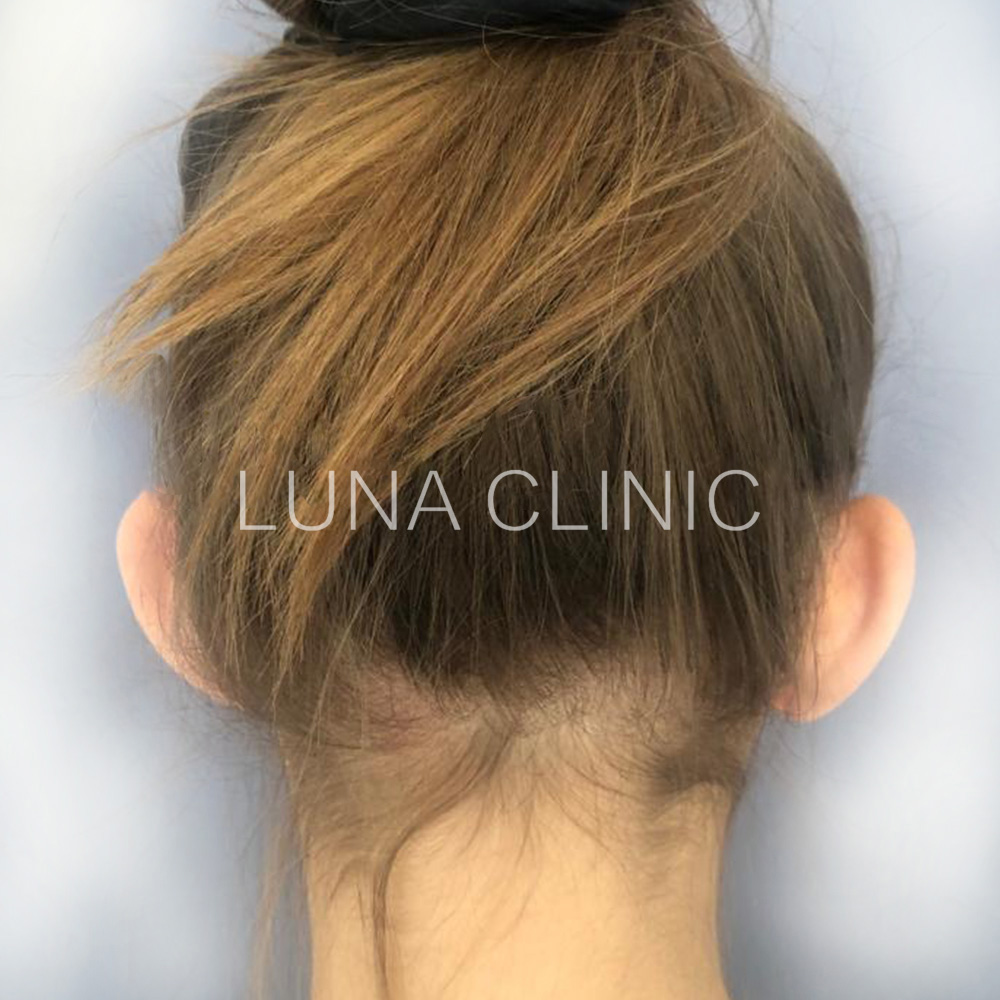
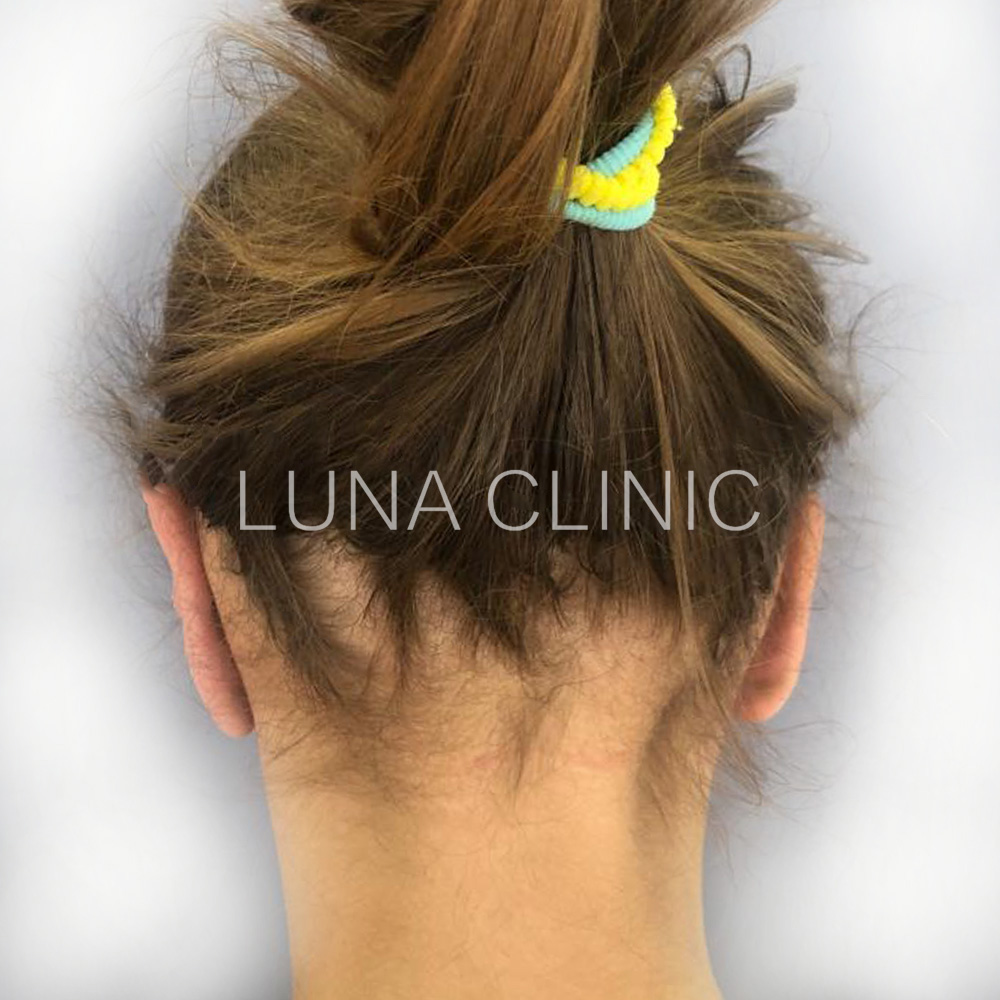
Otoplasty
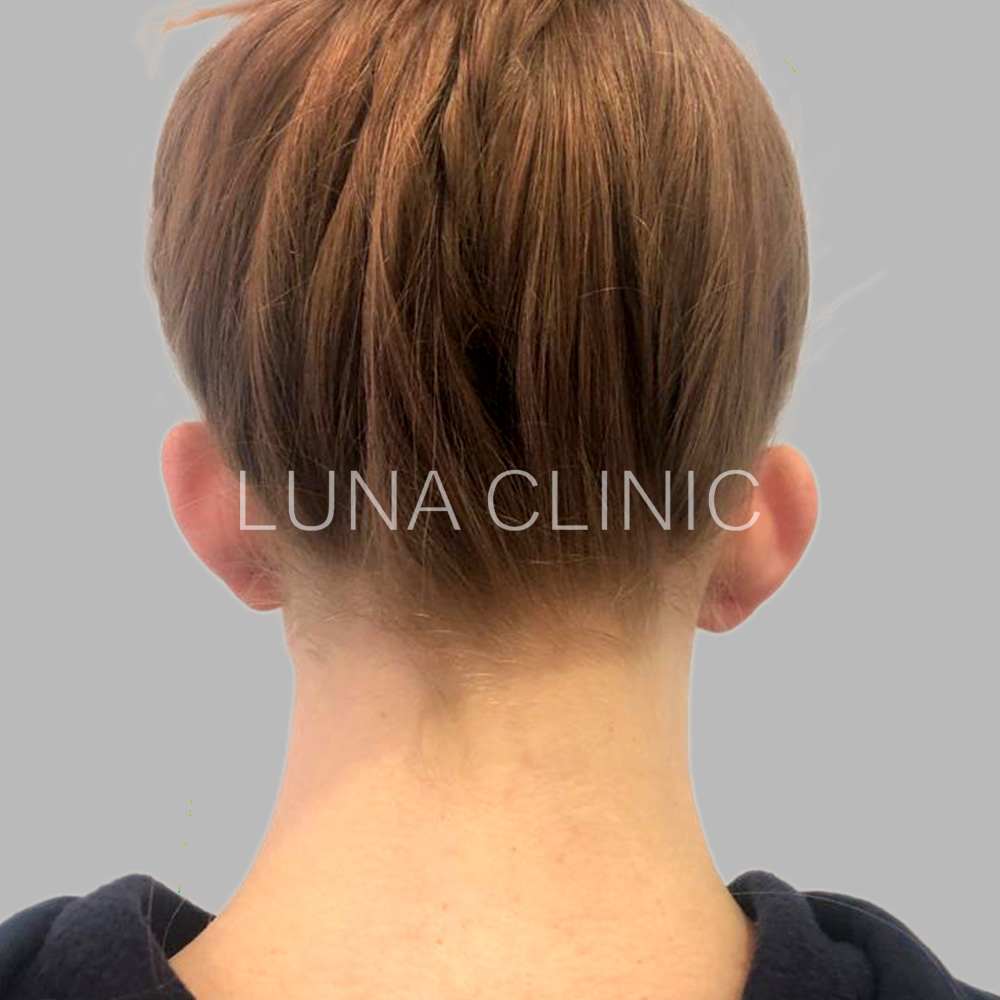
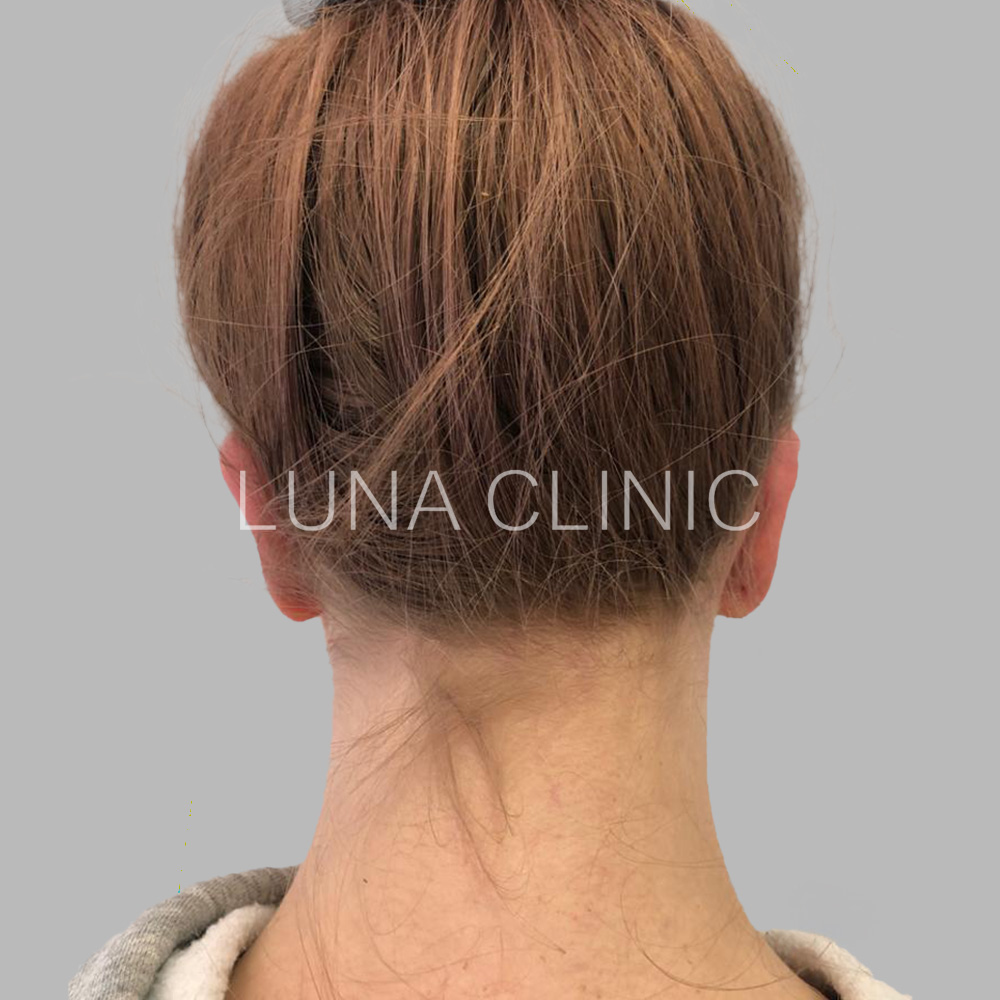
Otoplasty
Preparation for the procedure:
Surgical consultation
Discontinuation of anticoagulants at least 14 days prior to the procedure (after consultation)
Avoid alcohol and smoking for at least 14 days before surgery.
On the day of the procedure – wash your hair and thoroughly clean your ears, without using cosmetics.
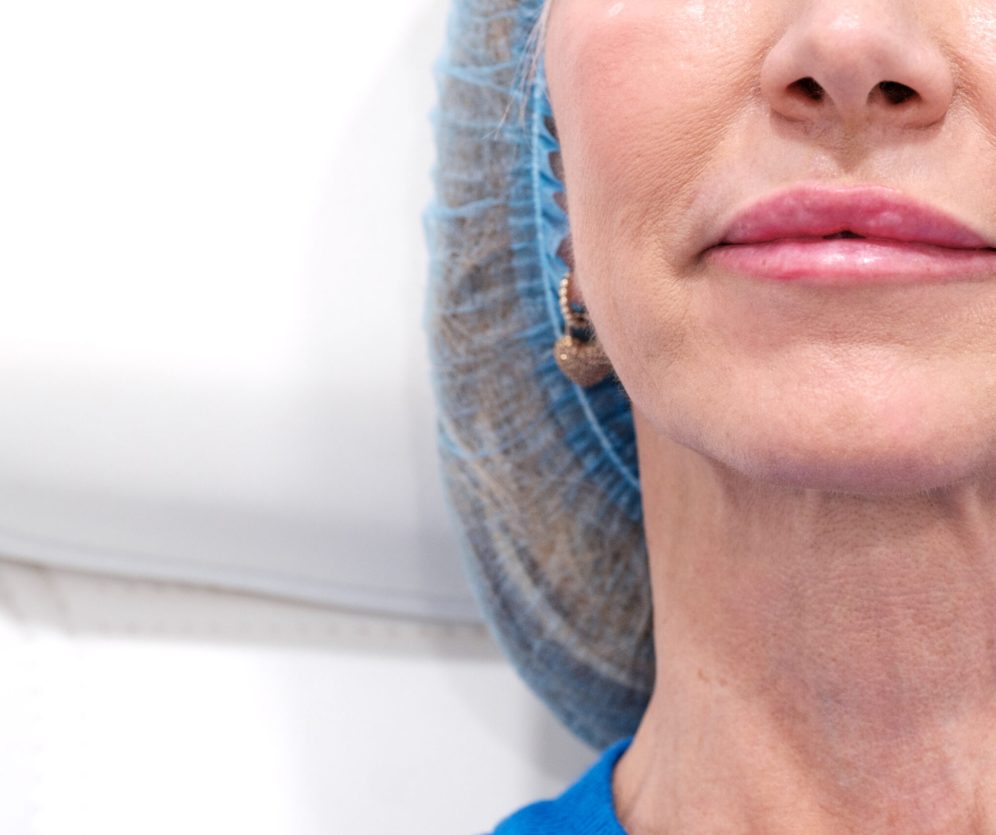
The course of the procedure
The procedure is usually performed under local anesthesia and takes about an hour.
The surgeon precisely shapes the cartilage of the auricle, removes excess skin, or changes the shape of the edge of the ear according to the surgical plan.
The stitches are placed in such a way as to minimize the visibility of scars – usually at the back or in the natural folds of the ear.
The patient returns home the same day.
Recovery and post-treatment recommendations:
Swelling and bruising usually last for 2–3 weeks.
Dressing or pressure bandage for a minimum of 2 weeks (longer at night – up to 6 weeks, as recommended)
Avoiding sleeping on your side for several weeks
Checkup and removal of stitches usually after 7–10 days
Protecting your ears from injury for at least 3–6 months
Avoid sun exposure and tanning beds for at least 6 weeks.
Possible complications and risks:
Hematoma or bleeding requiring drainage
Infection requiring antibiotic therapy
Transient or rarely persistent sensory disturbances in the face or auricle
Hypertrophic or discolored scars – minimized thanks to precise suturing techniques
Asymmetry requiring correction
Prolonged swelling or bruising
Unsatisfactory aesthetic result requiring possible reoperation
Frequently asked questions
No – it is performed under local or general anesthesia. After the procedure, pain is controlled with painkillers.
We recommend wearing the compression bandage at night for a minimum of 4–6 weeks.
For office work – after a few days, depending on comfort.
No—they are hidden behind the ear and are usually very discreet.
Yes, provided that the ears heal properly and are protected from injury.
Contact sports – only after 6 weeks, following consultation with the surgeon.
Usually up to 2–3 weeks.
We usually perform the procedure under local anesthesia, but in some patients we recommend general anesthesia.
Yes – usually from around 6–7 years of age, if the child cooperates.
There is a risk of partial “rebound” of the auricle during healing. Some patients may require additional correction to achieve the optimal result. It is important to strictly follow the postoperative recommendations and wear a compression bandage as directed by your doctor.
Do you have any questions?
Get in touch with us
Władysława Syrokomli 46,
51-141 Wrocław
Mon-Fri: 09:00 - 17:00
Saturday - Sunday: closed
Call :+48 666 850 666